
What’s at stake?
If Democrats in Washington give up on advocating for health care subsidies, it could also increase health care premiums for 48,000 Fresno County residents who rely on Covered California.
One Central Valley assemblymember said she’s preparing “for the worst,” with the future of Affordable Care Act subsidies — a key sticking point for most Democrats in negotiations to end the longest federal government shutdown in U.S. history — still up in the air as lawmakers make last-minute deals to reopen the government.
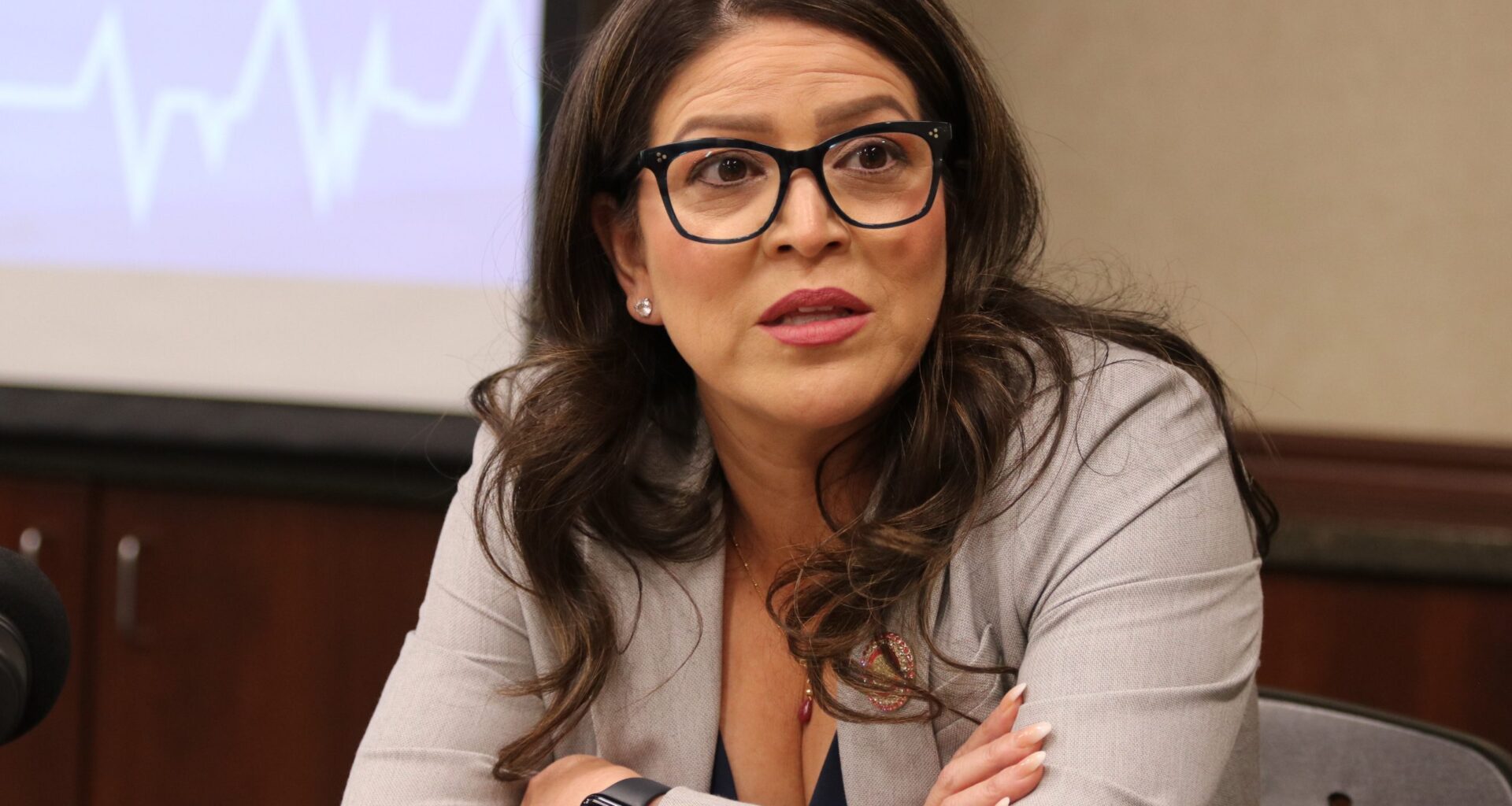
“I don’t know if people in Washington really understand, especially those in control, the level of increase in premiums and what that’s going to do to our families,” Assemblymember Esmeralda Soria, a Democrat and former Fresno City Councilmember currently representing Merced, told reporters on Monday.
Following a roundtable with dozens of local health care representatives at Community Regional Medical Center’s downtown Fresno campus, Soria shared her outlook on current government shutdown negotiations and the sweeping impacts of H.R. 1, also known as the Big Beautiful Bill, on the Central Valley’s already fragile health care system.
The discussion was the latest in a series that Assemblymember Mia Bonta, a Democrat representing Oakland and chair of the Assembly Health Committee, is hosting across California.
Fresno was an important stop on Bonta’s journey, the assemblymember said, in the heart of a region that faces “devastating” impacts from H.R. 1’s cuts to programs like Medicaid.
The Central Valley is home to five of seven counties in the state of California with a majority of residents enrolled in Medi-Cal, the state’s Medicaid program, Fresnoland reported in March. That includes Fresno County, where over 52% of residents rely on Medi-Cal.
“Between 200,000 to 400,000 residents across the Central Valley will lose Medi-Cal coverage by 2034,” Bonta said, “due to the mandatory work rules, the more frequent eligibility checks and the new cost-sharing provisions that are built-in.”
The “number one local concern” that Central Valley health care representatives shared with the assemblymembers at their roundtable Monday was enrollment decline in the wake of these cuts, Soria said.
“People will fall out of having health care coverage entirely,” Bonta said.
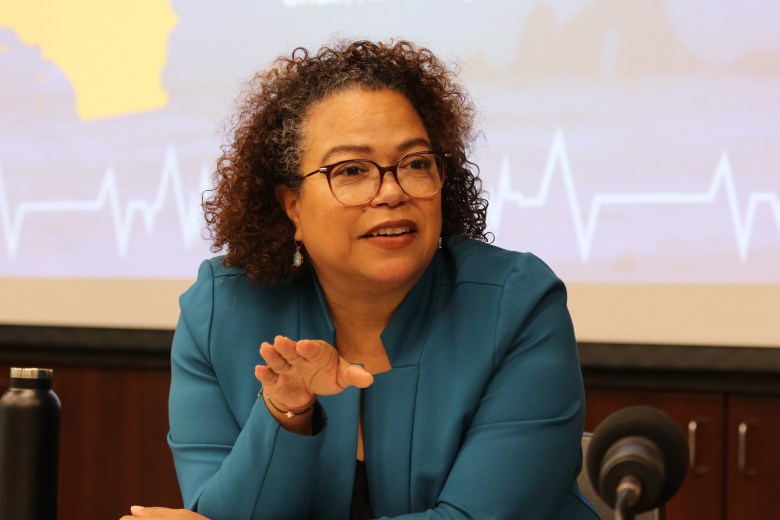 Assemblymember Mia Bonta, a Democrat representing Oakland and chair of the Assembly Health Committee, came to Fresno Monday, Nov. 10, 2025, for the latest in her series of health care roundtables up and down the state. Julianna Morano | Fresnoland
Those cuts have also already precipitated the closure of some health clinics in the region, Soria added, including a Planned Parenthood location in Madera.
On top of that, there’s a grim outlook for the region’s enrollees in Covered California, the state’s marketplace for subsidized health plans under the federal Affordable Care Act (also known as Obamacare).
Bonta said many enrollees — of which there are over 48,000 in Fresno County as of July — will pay “two to three times” their usual premiums if Congress lets the federal subsidies expire.
For a 35-year-old single parent with one child and a household income of $30,000, for example, that family will see their premiums jump from $160 to $1,440 if the subsidies aren’t renewed, according to projections Bonta shared.
Although Democrats were promised a future vote in the Senate on the ACA subsidies in deals over the weekend aimed at ending the shutdown, U.S. House Speaker Mike Johnson hasn’t made the same guarantee.
Bonta and Soria on Monday joined other state leaders like Gov. Gavin Newsom in voicing skepticism about whether the Democrats will see any follow-through on the agreement to take action on ACA subsidies in the next month.
“We’ve had a lot of failed promises, and in our Valley, we can’t operate around promises,” Soria said.
“We’re already starting at a deficit,” when it comes to health care, she added, “and so promises do us no good.”
Part of the “deficit” in the Valley includes a shortage of health care providers.
To that end, Soria added that she plans to reintroduce legislation aimed at closing the shortage of trained nurses in the central San Joaquin Valley by allowing community colleges to offer bachelor’s degrees in nursing. Newsom vetoed Soria’s previous attempt at passing this legislation in 2024.
Bonta said she’s also committed to finding what solutions she can to addressing the region’s health care needs at the state level when the next legislative session begins in January.
“The state will certainly respond to this moment by making sure that we are stretching every dollar that we have allocated for health and basic needs,” Bonta said, “as far as we can.”
Related