
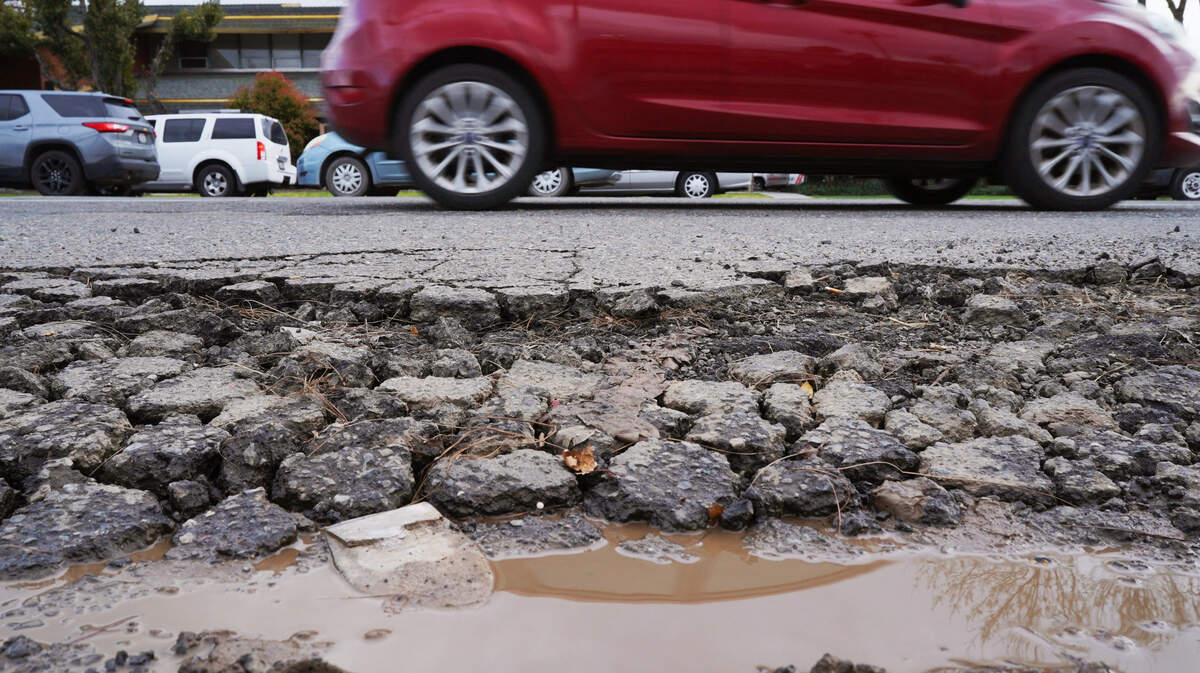
Fresno County residents will vote on Measure S in November, a special transportation tax that is projected to bring in approximately $246 million annually and an estimated $7.4 billion over 30 years for local roads, public transportation.
Measure S, a citizen-led ballot measure wouldn’t raise the tax burden in Fresno County; it would replace Measure C, the countywide half-cent sales tax that has been in place for the past 40 years and is set to expire on June 30, 2027.
Key differences in the new transportation tax measure’s spending plan is a shift away from funding regional projects, such as freeways, in order to spend more to fix neighborhood streets and sidewalks, while also prioritizing public transportation and safe routes to school. Sixty-five percent of the tax measure will be dedicated to existing neighborhood roads.
“It’s a huge increase in terms of what we’re investing in our local roads compared to Measure C,” said Andy Levine, campaign manager for Yes on Measure S who is also a Fresno Unified trustee. (The measure was formerly known as Better Roads, Safe Streets.)
The coalition — made up of community and youth groups, labor unions, and elected officials from across Fresno County – hosted 34 public meetings, collected input from 4,500 residents across 72 zip codes that shaped the spending plan.
“Measure S was drafted by the community. It was probably the largest public participatory process in Fresno County ever,” Veronica Garibay, the co-director of Leadership Counsel for Justice and Accountability, who was involved in the measure’s creation, told The Bee.
Garibay said that the 32,000 voters who signed the petition to place the measure on the ballot were representative across political ideologies. “It was pretty evenly split between Democrats, Republicans and No Party Preference voters,” she said.
Measure S withstood legal and political pushback from the Fresno County Board of Supervisors and other community leaders to make it to the Nov. 3 ballot for voters to decide its fate. If passed, it would go into effect July 1, 2027.
The Bee examined the measure’s spending plan in detail. Here’s how the money breaks down.
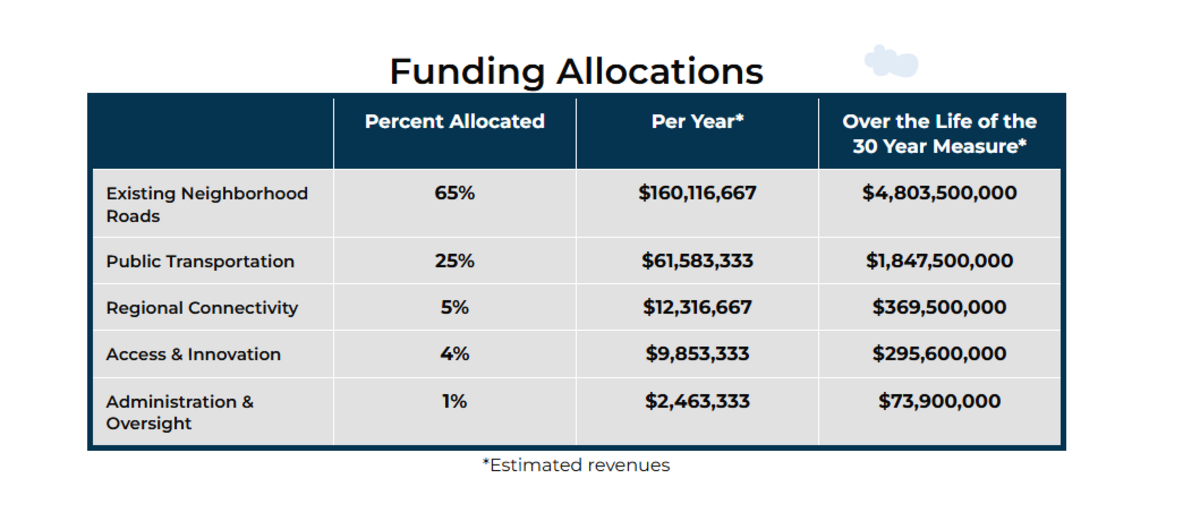 Projected funding allocations for Measure S half-cent special transportation tax. Yes on Measure S campaign 65% of Measure S revenue dedicated to fixing existing local roads
The biggest allocation of Measure S funds, 65%, is dedicated to existing neighborhood roads. The tax is expected to generate almost $5 billion for roads over its 30-year lifespan, or about $160 million annually, according to an economic analysis.
“What we heard the most was ‘fix our local roads along the front of our homes, the roads we drive on every day,’” Garibay said.
Every city in Fresno County is projected to receive millions more dollars under Measure S to fix and maintain local roads than they ever received under previous versions of Measure C. The city of Fresno is expected to receive $2.26 billion over the 30-year lifespan of Measure S, or $75.4 million annually for local/existing roads, compared to $226 million, or $11.3 million annually, under the last 20-year cycle of Measure C. The city of Clovis will receive $542 million for local roads over the next 30 years, or $18.1 million annually, compared to a $49 million, $2 million annually, under the last iteration of Measure C.
See the breakdown of what each city is projected to receive annually here.
Safe Routes to Schools: Cities will receive money to complete 150 “Safe Routes to Schools” projects. Cities are required to work with the school districts in their jurisdiction to identify and prioritize the school zones that most urgently needing safety upgrades and investments, Levine said. These projects need to improve walkability, safety, and connectivity for students within a one-mile radius of school zones and reduce serious injuries and fatalities. Improvements could include infrastructure, engineering improvements, and traffic-calming strategies to enhance safety and accessibility for walking and bicycling. A majority, or 105, of these safe routes projects would be in the cities of Fresno and Clovis, and the remaining 45 collectively would be from other jurisdictions across the county.
120 miles of bike lanes: The measure would also require 120 miles of protected bike lanes to be created, converted and maintained over the measure’s lifetime. At least 84 miles of this would be in Fresno and Clovis and 36 miles throughout Fresno County.
25% of Measure S for public transportation
Public transportation receives the second-largest pool of funding under Measure S, 25%, or over $61.5 million per year, or $1.8 billion over the life of the measure. Levine said this represents only a 1% increase in spending on public transit compared to Measure C.
Fresno’s bus system, Fresno Area Express (FAX), gets 70% of this funding, 20% goes to the Fresno County Rural Transit Agency, and 10% is for Clovis transit. In order to keep receiving Measure S funding, starting in 2029 these agencies must create comprehensive community engagement process to develop a transit improvement plan and demonstrate improvements in ridership, wait times and other metrics.
Nearly 80% of Fresno County’s transit riders are completely reliant on public transportation, without any access to a reliable vehicle, according to the 2018 Regional Transportation Plan.
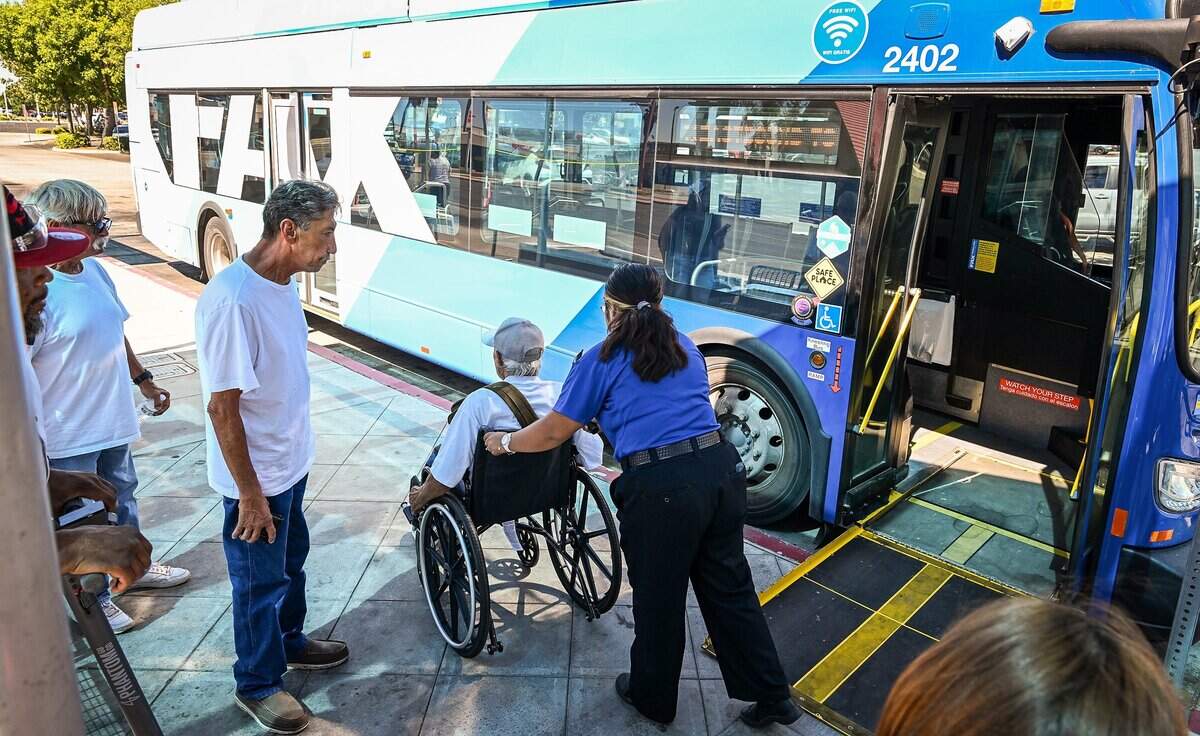 A Fresno Area Express, or FAX, bus driver helps a disabled person off a bus at the Manchester Transit Center on Wednesday, July 22, 2026. FAX is the primary public mass transit system serving the City of Fresno and parts of neighboring Clovis, California. The system is operated by the city’s Department of Transportation which manages a fleet of over 100 buses that operate across nearly 20 fixed routes. CRAIG KOHLRUSS ckohlruss@fresnobee.com Nine percent for regional connectivity, access, innovation, airport
An allotment of 5% is dedicated to a “regional connectivity” pool, which is estimated to generate over $12 million a year.
Of that, 4% is dedicated to regional projects such as interchange projects along Highway 99. The allocation is not intended to fully fund projects themselves, Garibay said, but rather to be used as a local match for state and federal grants already available for large-scale regional highway projects.
One percent of Measure S will go to the Fresno Yosemite International Airport.
The next funding pool is 4% dedicated to “access and innovation,” which would subsidize free bus fares for seniors 62 and older, students, children, active-duty military personnel, veterans and people with disabilities. The innovation category would support planning and projects that enable new technologies, such as investing in zero-emission infrastructure, charging for public transit fleet and getting “EV-ready” as California transitions towards an electric future.
Critics have raised concerns about nonprofits accessing some of these innovation funds, but Garibay said these nonprofits would have to be sponsored by the local government in which the project is located in order to qualify. The ultimate deciding body of awarding those projects is the Fresno Council of Government’s Policy Board.
One percent for Accountability & Oversight
Fresno County Council of Governments will receive 1% of the total funds to oversee the administration of the tax measure funds, conduct financial audits, and ensure the dollars are being spent accordingly. This funding will also supports an 11-member citizen-led oversight committee.
This measure requires the development and maintenance of a public database that tracks every dollar and where it’s going across the county, so people know exactly how the tax dollars are being used.
“I think it’s very safe to objectively say this measure has the strongest oversight/accountability and measurement processes of not just a transportation measure, but any measure in Fresno County’s history,” Levine said.
There will also be a comprehensive review of the plan involving the public every 10 years, though percent allocations to the above projects can’t change.
Who supports Measure S?
Measure S is widely supported by a broad coalition of bipartisan city, county and community leaders and organizations. Of the 15 mayors of Fresno County cities, 11 have backed Measure S, reflecting bipartisan support, including Fresno Mayor Jerry Dyer and Clovis Mayor Vong Mouanoutoua. Plus, 10 of the county’s city councils have voted to endorse the measure. The Fresno and Central Unified School Districts, and four K-12 Superintendents support the measure.
Measure S is also supported by a vast group over 60 labor, business and community groups including: the Fresno Association of Realtors, SEIU Local 2015, Amalgamated Transit Union Local 1027, Central Valley Community Foundation, Fresno Building Healthy Communities, Fresno City Employees Association, and many more. See the full list here.
Dyer says that without Measure S funds, the City of Fresno would be forced to cut FAX evening and weekend services and would likely result in the loss of over 200 city jobs as well as hundreds of millions of dollars in state and federal matching grants. Fresno County would also
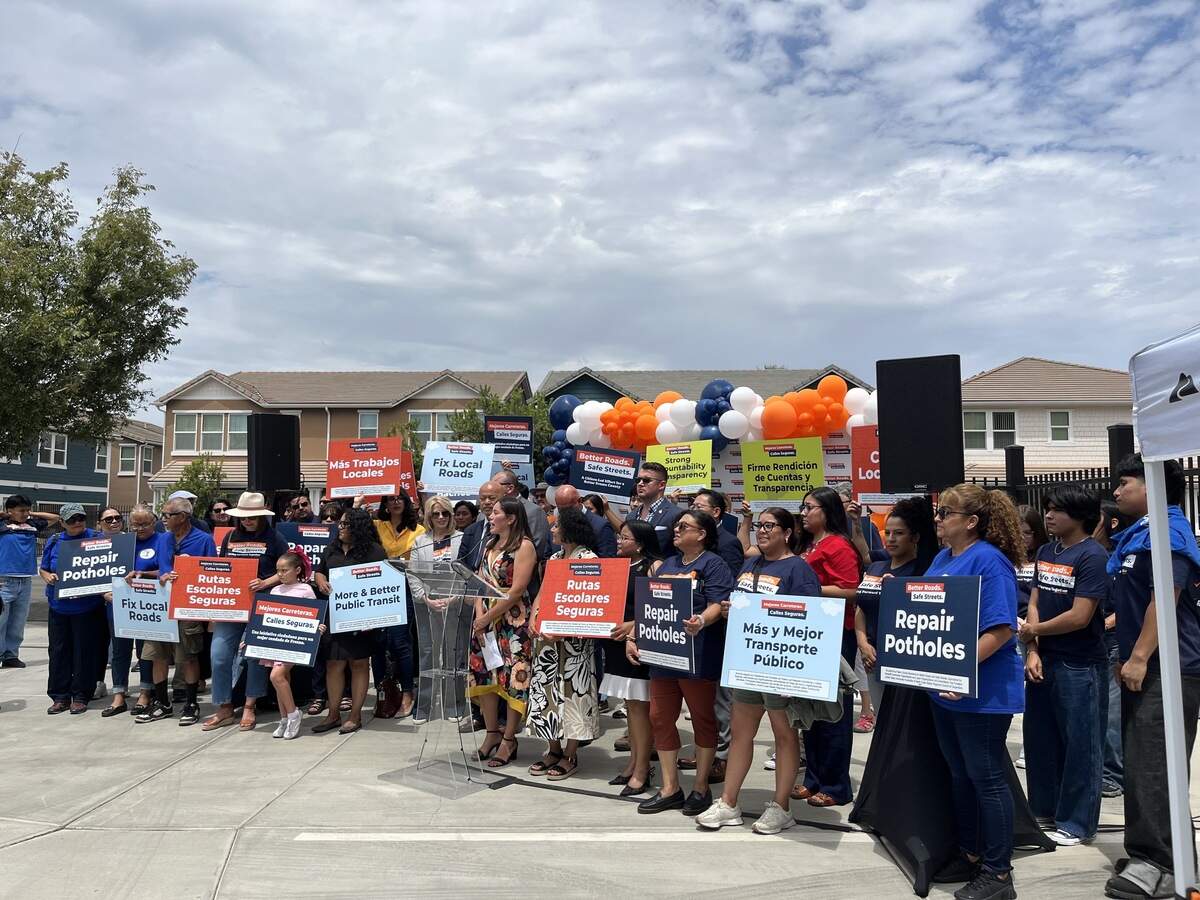 The Leadership Counsel for Justice and Accountability organized a rally on Monday, July 13, 2026, in downtown Fresno to urge support of the Better Roads, Safe Streets ballot measure to extend Measure C in the county. LILIANA FANNIN lfannin@fresnobee.com Who opposes Measure S?
Fresno County Supervisors Garry Bredefeld and Buddy Mendes, Clovis Mayor Pro Tem Diane Pearce, Reedley Mayor Matthew Tuttle and Brooke Ashjian, chair of the Valley Watchdogs Political Action Committee, launched an official opposition campaign against Measure S in late September. Opponents have for months voiced their opposition, arguing that Measure S imposes too many restrictions on road repair and allocates too much money to public transportation and bike lanes.
Supervisor Nathan Magsig and former Supervisor Henry R. Perea, also oppose Measure S. Political consultant Alex Tavlian is the principal of the “No on Measure S Fresno County” opposition group.
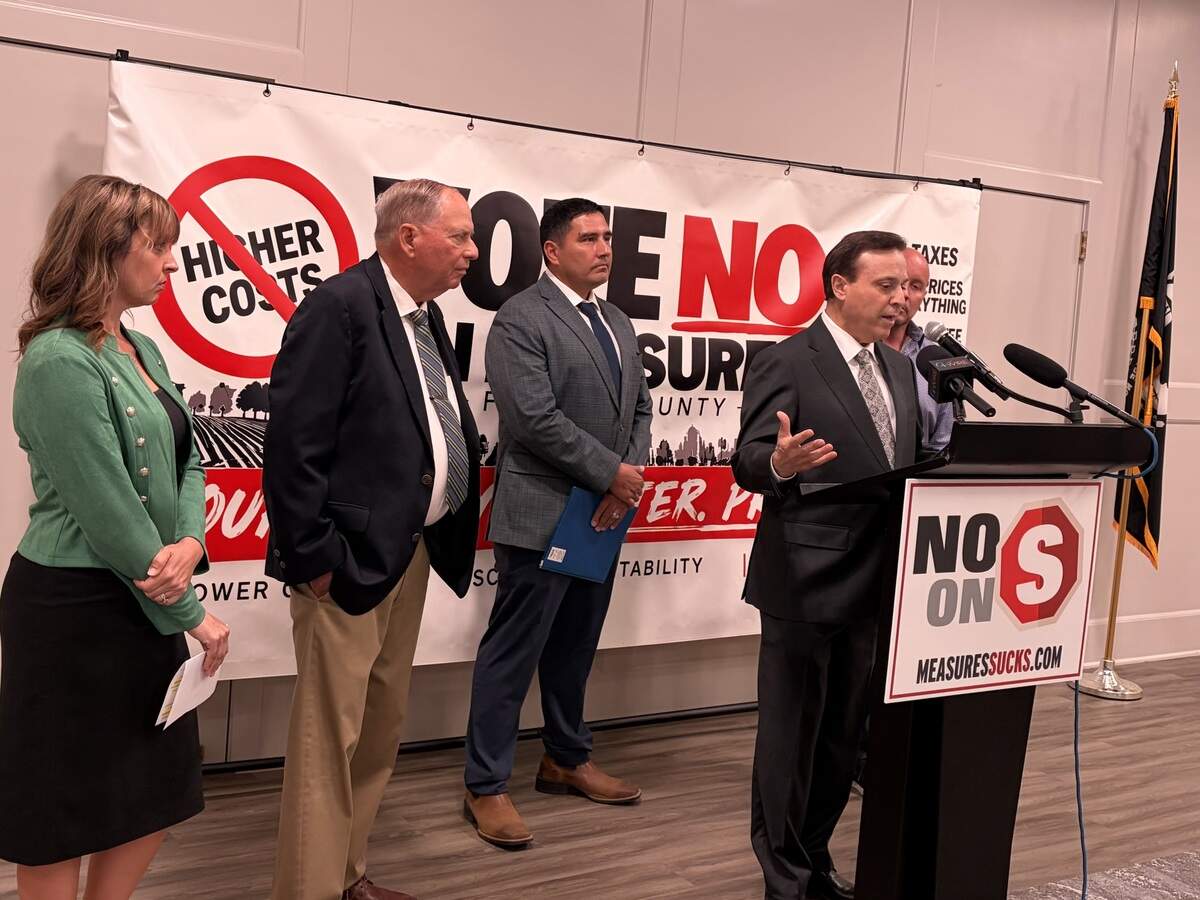 Fresno County supervisors Garry Bredefeld and Buddy Mendes, Clovis Mayor Pro Tem Diane Pearce, Reedley Mayor Matthew Tuttle and Brooke Ashjian, chair of the Valley Watchdogs Political Action Committee, at a “No on Measure S” news gathering in Clovis. LILIANA FANNIN What does the Measure S ballot language say?
Bredefel, Magsig and Mendes — all of whom oppose the measure — amended the final ballot language in August.
Here’s what it says: “Fresno County Transportation Improvement Act. Shall the measure to impose a new half-cent sales tax to pay for streets and street repairs, busses, bike lanes, and safety improvements; free transit services for seniors, veterans, people with disabilities, and students; initially providing approximately $113 million annually for 30 years, requiring independent oversight and annual audits, be adopted?”
The $113 million figure included in the ballot language is lower than the Yes of Measure S committee projection annual revenues of $247 million total and $160 million for local roads because it is based on the previous Measure C annual revenue estimates.
The Fresno Bee
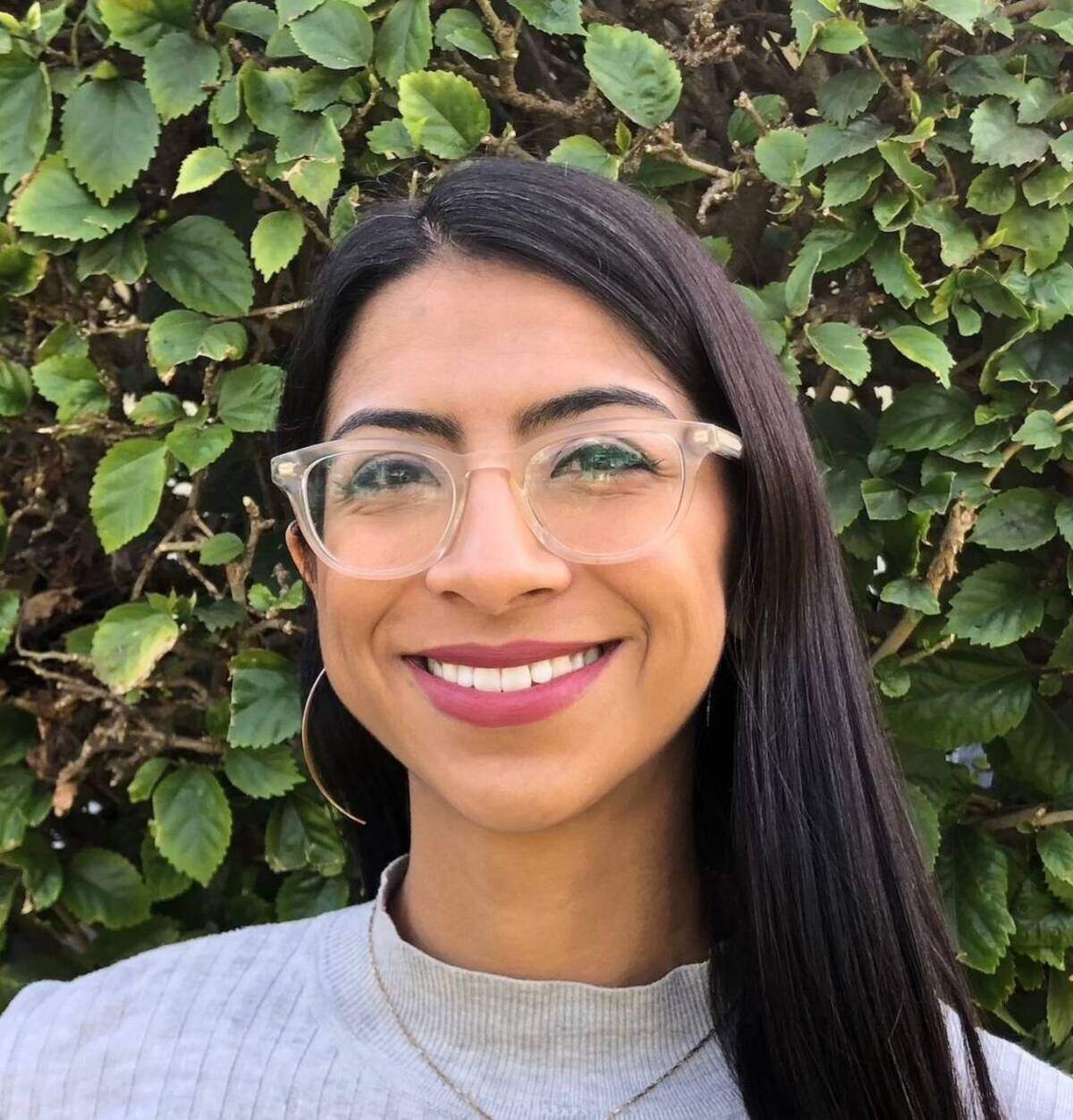
Melissa Montalvo is The Fresno Bee’s accountability reporter. Prior to this role, she covered Latino communities for The Fresno Bee as the part of the Central Valley News Collaborative. She also reported on labor, economy and poverty through newsroom partnerships between The Fresno Bee, Fresnoland and CalMatters as a Report for America Corps member.