
News that a sexually violent predator absconded from his supervised release in San Diego earlier this month has been met with frustration and surprise — and not just because he fled.
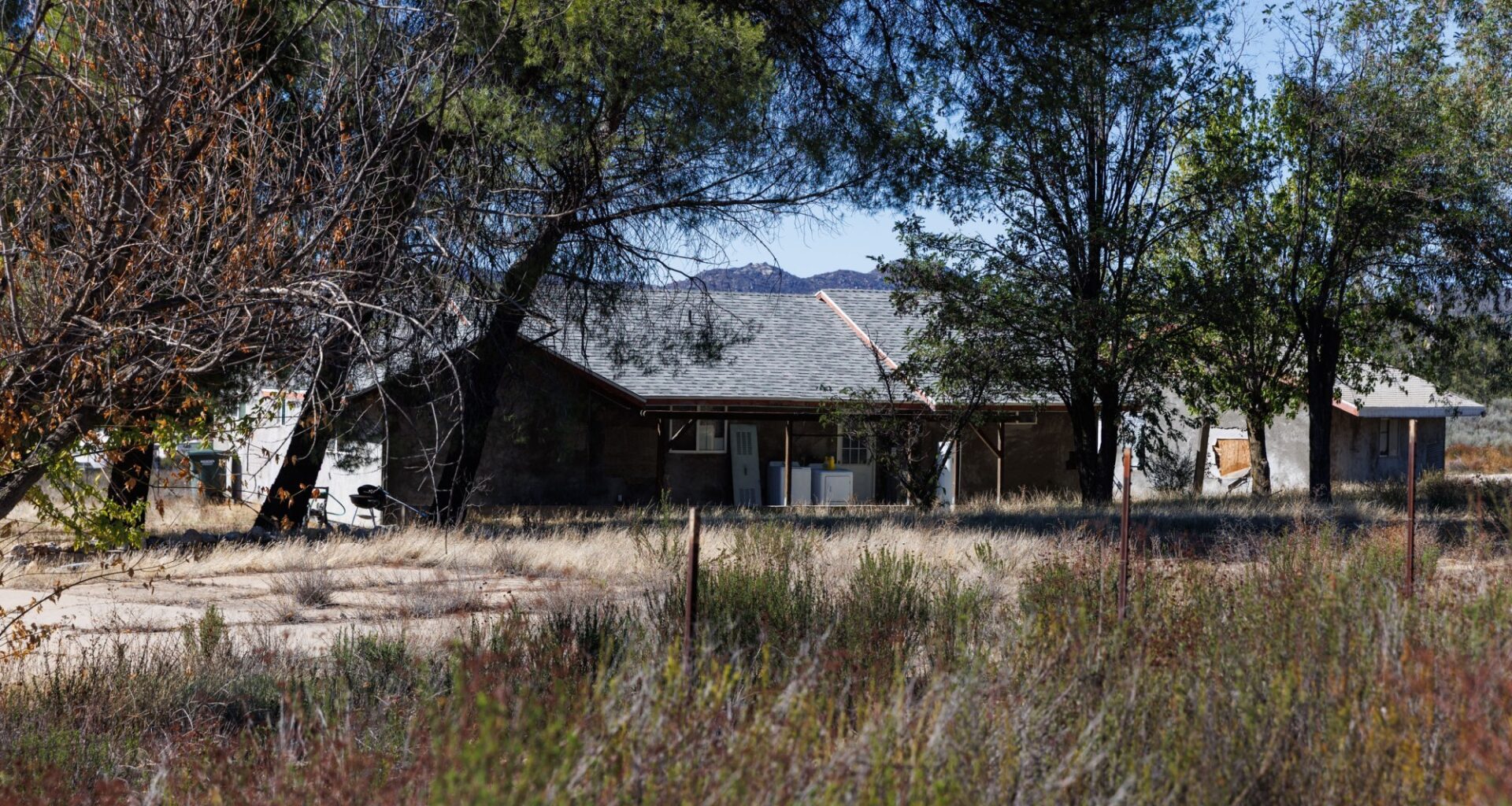
Merle Wakefield, 69, cut off his GPS monitor, tossed his cellphone and disappeared on Sept. 25, authorities say. He didn’t flee from his remote Campo home where a court placed him. He absconded in the middle of the night in Rancho Bernardo while at work at an Amazon warehouse.
Security video shows Wakefield get into the passenger side of a white Tesla, according to a Sept. 28 court filing. Roughly 20 minutes after his GPS alerted, a staffer with Liberty Healthcare, which monitored Wakefield while on release, was at the work site; the staffer had planned to drive Wakefield home when his shift ended at 4 a.m. The GPS and the cellphone, which was a secure device provided by and monitored by Liberty, were found in bushes. Wakefield’s car and car keys were located at his home.
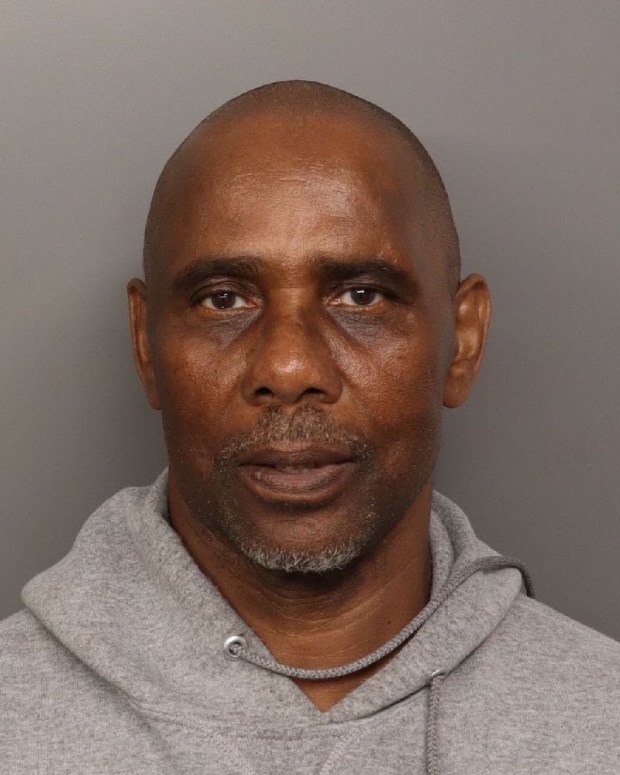 Merle Wakefield. (San Diego County Sheriff’s Office)
The fallout over a sexually violent predator running off remains to be seen. As the search for Wakefield continues, two more sexually violent offenders have been approved for release with a recommendation that they live in rural Boulevard. A court will consider that location later this month. County Supervisors Joel Anderson and Jim Desmond are fighting the placement.
“It was kind of a punch in the gut that this guy escaped so easily,” said Desmond, who wants to freeze future placements until Wakefield is caught and mistakes are addressed. “I was also surprised to learn this guy had a job and a car.”
The public discourse around sexually violent predators, or SVPs, usually happens before one is about to be released into the community on conditional release, and that discussion is typically focused around where he will live. Once a court approves a location, little else is debated in the public eye, so it came as a surprise to many that SVPs may not simply be confined to their residence. Desmond said he has long tried to learn more about the parameters of what a person can do while on conditional release but said he has been met with silence.
“It’s a very frustrating procedure when they let these people out and they give us very little information about guidelines, and to find out it’s so easy now to just take this ankle monitor off and walk scot-free,” Desmond said.
Conditional release is a step-down program that loosens the reins over time if the offender is doing well, or sends them back to the hospital if they fail. It can take years to work through conditional release, but it opens the possibility for the SVP to someday be released outright from monitoring and supervision, although they remain registered sex offenders and must follow those restrictions.
Sexually violent predators on conditional release in California are monitored by private contractor Liberty Healthcare. They are not on probation or parole, and are not monitored by law enforcement.
Liberty declined to comment last week about Wakefield and referred questions to California’s Department of State Hospitals, which hired Liberty.
The Department of State Hospitals declined to discuss Wakefield, citing patient privacy laws, but answered general questions about the step-down program and shared informational links, including a fact sheet, on the agency’s website.
The department said that as people progress through the program, “treatment, supervision, approved activities and access to community resources may change in accordance with their treatment plan and the terms and conditions of their release, as well as clinical and public safety considerations.”
Participants may eventually seek work, State Hospitals said, but it “must be approved in accordance with the terms and conditions of their release.”
From hospitalization to reintegration
Sexually violent predators have been convicted of a violent sex crime and diagnosed with a mental condition that makes them likely to re-offend. It’s a relatively small group, and they are court-ordered to live in a state hospital after they serve their prison sentence. It is a civil commitment, not a criminal one. They are considered hospital patients. Law enforcement has no direct involvement.
At the hospital, they can choose to take part in a treatment program that could lead to release. Conditional release, which must be approved by a judge, is the final step, the bridge between inpatient treatment and full release back into the community. State Hospitals says 5.5% of the sexually violent predators in their care have achieved conditional release.
According to a department-provided fact sheet, conditional release is “intensive community-based treatment” and a 24/7 monitoring program “with gradual steps toward increased community re-entry depending on treatment progress.”
The idea is the person will apply skills learned in the hospital to a “supervised outpatient setting” and ultimately supports “a safe reintegration of the individual back to the community,” State Hospitals said.
When a person wins approval for release, then comes the task of finding them a place to live.
Rancho Bernardo resident Jeff Grace organized community opposition efforts in September 2021 and successfully beat a proposal to place a different sexually violent predator in a Rancho Bernardo home. Grace became a founding member of an informal group of neighbors united under the name Keep RB Safe. Hearing Wakefield was working in Rancho Bernardo, and that no one in the neighborhood was informed of his presence, left Grace displeased.
“One thousand percent they should have notified us he was working here,” Grace said last week. “Wakefield is a criminal with a record of harming women.
Parameters of conditional release
State Hospitals said the conditional release program “uses a range of supervision and monitoring tools based on the individual participant and the terms and conditions of their release. Activities in the community are subject to each participant’s individualized court-approved terms and conditions of release and treatment plan.”
When a person is first released, they are under constant surveillance. There is also GPS monitoring, polygraphs and unannounced searches. “The close supervision is there to guard against the individual committing new crimes,” reads an answer on a frequently asked questions page on the State Hospitals website.
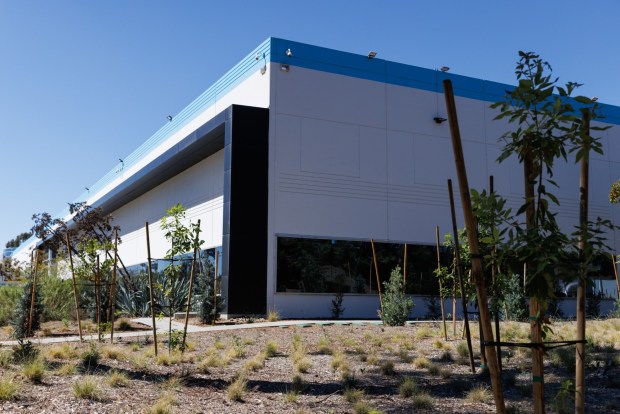 The Amazon facility where Merle Wakefield, a sexually violent predator, worked in Rancho Bernardo. Wakefield cut off his GPS monitor at this location and fled. (Kristian Carreon / The San Diego Union-Tribune)
Just what a participant is allowed to do is subject to individualized conditions of release, which are specific to them and must be approved by a judge. Potential terms and conditions of outpatient release — there are 19 pages worth — can include staying sober or keeping a journal. It can include no cameras or binoculars without approval, and no hitchhiking. Some might be required to stay on well-traveled roads and avoid isolated areas where minors or people who fit their victim profile might congregate.
One potential condition could bar attendance at religious congregations without notifying the leadership about the participant’s history of sex offending. Another potential condition could be that the participant must agree to seek volunteer or paid work opportunities as directed and approved.
As they progress, they get more freedoms.
In general, participants are expected to pay for their own food, clothing and personal expenses, according to State Hospitals. And until they can pay for themselves, money might be available to lend them, but they’ve got to repay it. They may also apply for public assistance, but any assistance received “may reduce the amount otherwise budgeted for their living expenses,” State Hospitals said.
SVPs from San Diego County
As of last October, there were 56 people from San Diego County who were either at Coalinga State Hospital for SVP treatment or part of the conditional release program, according to the District Attorney’s Office website. Less than three dozen sexually violent predators have won conditional release in San Diego County. Some have had their release revoked and were returned to the hospital for further treatment.
Since 2012, according to the District Attorney’s Office, 19 people who went through the conditional release program in San Diego were later found to no longer be sexually violent predators and were then released without conditions. Five have since died.
Once released, the person is no longer supervised, although every 90 days they must register as a sex offender. The most recent unconditional release of a former SVP in the region occurred this year.
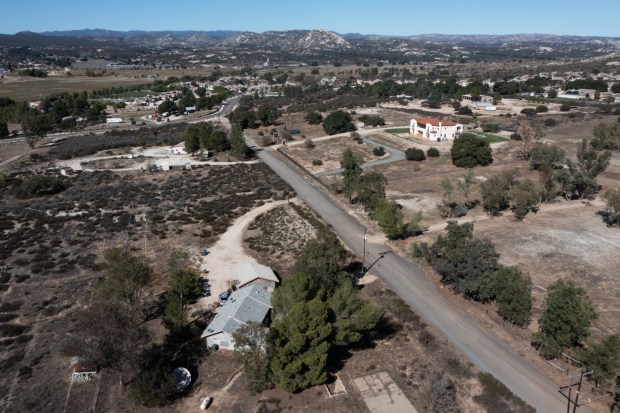 An aerial overview of the area in Campo where Merle Wakefield lived. SVPs are usually approved to live in rural areas. (Kristian Carreon / The San Diego Union-Tribune)
State Hospitals says 43% of the people who are on conditional release eventually earn unconditional release. The average time from conditional release to unconditional release is about 67 months, which is a little more than 5½ years.
Wakefield was convicted in 1981 of committing lewd acts with a minor under 14, then convicted in 1990 of rape by means of force, violence or fear. Following his release from prison in 1998, he was formally designated a sexually violent predator. He has been living under conditional release in San Diego County since late 2024. The exact terms and conditions of his release when he absconded are not known.
Once notified early Friday, law enforcement immediately started investigating Wakefield’s disappearance and began searching for him. Finding him remains a priority. The Sexual Assault Felony Enforcement Task Force, which includes several agencies but is headed by the Sheriff’s Office, is taking the lead in the hunt for Wakefield.
Cutting off a GPS device is a misdemeanor, but the court was able to revoke Wakefield’s release and issue a no-bail warrant for his arrest. Law enforcement had to wait five business days to get a felony arrest warrant — the alleged felony is the failure of a sex offender to register a new address. That felony warrant will help if extradition becomes necessary.
The fact that the initial crime of cutting off a GPS was a misdemeanor was “a bit problematic,” Sheriff Kelly Martinez said, because “a lot of our investigative tools are reliant upon a felony.” Among the tools, she said, was the immediate ability to secure search warrants.
“I’ve been very, very concerned and alarmed to find out that my investigators don’t have some of the tools they need to be able to properly investigate this,” she said, adding that she is interested in legislation to “shore up these gaps.”
There is also now a reward of up to $1,000 for information leading to Wakefield’s arrest. Authorities ask that anyone with information on his whereabouts call the SAFE Task Force at 858-868-3200. Anonymous tips can be left by calling Crime Stoppers at 888-580-8477.
Authorities warn people not to contact or approach Wakefield if they see him, but to call local police or 911.
Union-Tribune staff writer Caleb Lunetta and U-T Community Press staff writer Elizabeth Himchak contributed to this report.