
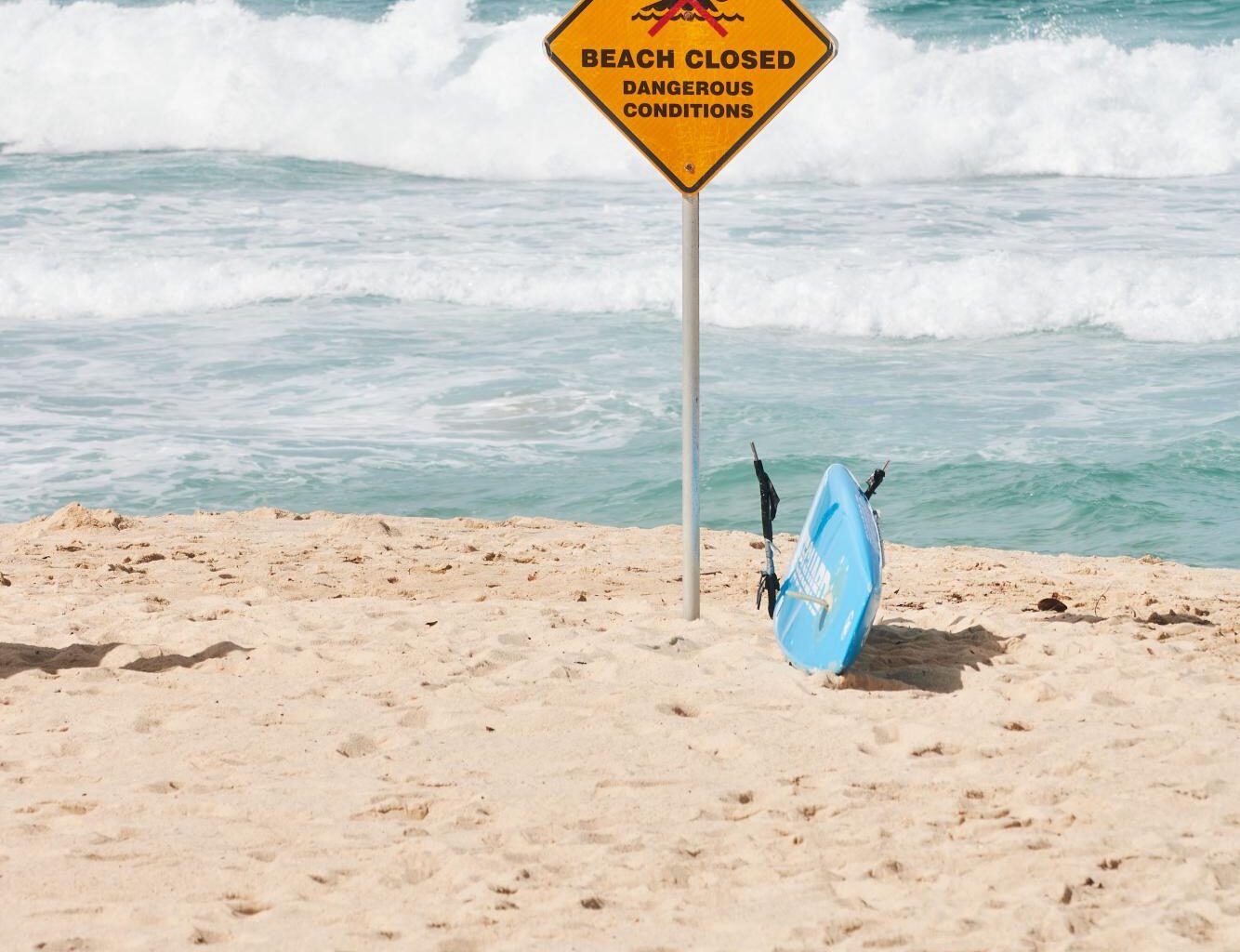
Additional San Diego County beaches closed as of Oct. 3 due to raw sewage contamination from the Tijuana River in Mexico continuing to flow into local waters. According to the Beach & Bay Water Quality Monitoring Program, there are currently four closures and five advisories issued across San Diego.
The San Diego Department of Environmental Health and Quality issues closures and advisories when tested water samples from different beaches contain high levels of fecal bacteria. Over 1,413 DNA copies of bacteria per 100 milliliters of water is considered to be a toxic level of bacteria. The DEHQ tests water on the coastlines on a weekly basis throughout the year to check for harmful bacteria levels.
Sewage-contaminated water carries harmful pathogens that can cause a variety of illnesses, including cholera, dysentery, stomach flu, typhoid and other forms of fevers. Symptoms of illness include diarrhea, rashes, eye irritation, coughing and congestion. Contaminated waters can also carry a variety of viruses including rotavirus, polio and hepatitis A.
Advisories are issued to beaches in response to high bacteria content that exceeds normal levels. During advisories, the public can swim at its own discretion.
Closures are in effect when runoff sewage or chemicals from the Tijuana river contaminate the water, or when sewage can be found via its odor or coloration. Individuals are not allowed to swim in the water due to health concerns due to the high risk of illness.
As of Oct. 3, the list of most recent advisories across San Diego are Mission Bay: Mission Bay Vacation Isle; La Jolla: La Jolla Cove and WindanSea Beach; and Imperial Beach: Imperial Municipal Beach. All statuses change continuously as new data is collected from all beaches.
Closures that remain in effect since October 2025 are Imperial Beach: Border Field State Park and Imperial Beach: Tijuana Slough National Wildlife Refuge. Since 1997, La Jolla Children’s Pool has maintained an advisory status. As of Oct. 3, Black’s Beach and La Jolla Shores are not contaminated.
The Parallel Gravity Line is Tijuana’s 10-mile main sewage pipeline that transports fecal matter and other raw sewage waste from the Mexico-U.S. border to the San Antonio de los Buenos Wastewater Treatment Plant in Tijuana. In May 2026, the pipeline collapsed in two separate areas of the structure within the span of two weeks, releasing millions of gallons of untreated sewage into the surrounding oceans. This resulted in the increase of pollution in local coastlines, potentially harming surrounding communities and wildlife.
According to the U.S. International Boundary & Water Commission, the transboundary flow of water from the Tijuana River into the Pacific Ocean rapidly increased from around 10 million gallons to 34 million gallons within three days of the pipeline’s damage. The Parallel Gravity Line underwent emergency repairs in May of this year. Transboundary flows happen when water, natural resources or pollution cross local, state or international borders.
UC San Diego fourth-year Daniel Peterson, Triton Divers Club representative, shared the effects of contaminated waters on future club events.
“If there is a warning or the levels of pollution are too high, we do have to relocate,” Peterson said. “If the water is too polluted … going in the water can cause … skin rashes and all sorts of other things. So, we always have to be mindful of that. It’s always something that you have to be mindful of.”
Advisories and closures will remain in effect until further notice. To follow live updates on San Diego beach advisories, warnings and closures, visit www.sdbeachinfo.com.