
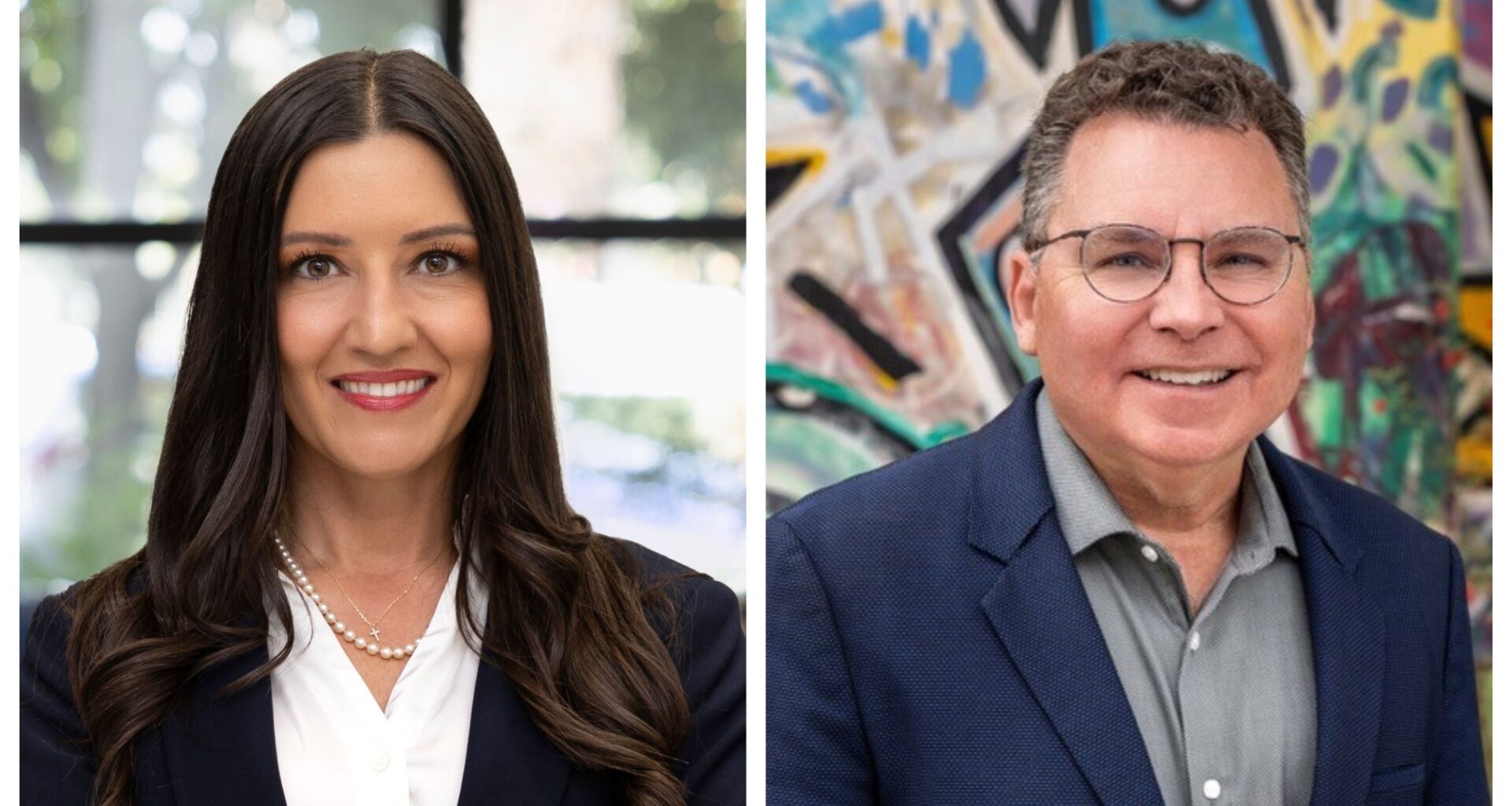
California schools face a constellation of challenges, including declining enrollment, shrinking budgets and persistent achievement gaps. At the same time, Assembly Bill 181 shifts control of the state Department of Education to an appointed commissioner.
The state’s next superintendent of public instruction will need not only to confront a struggling school system, but also to restructure the office to ensure it continues to be relevant, meaningful and useful to taxpayers.
Of the two candidates on the Nov. 3 ballot, Richard Barrera is best suited to these ends.
Barrera is a thoughtful, detail-oriented reformer with concrete, measurable objectives. He’s endorsed by the California Democratic Party and supported by a long list of labor unions, including the California Teachers Association.
Barrera, 59, said his priorities will be establishing consistent funding so schools aren’t always scrambling to balance their budgets, stabilizing teachers’ job satisfaction by improving their work environments and providing housing, as well as supporting students’ civil rights. He touts his record as a board member and president for the San Diego Unified School District, where he helped bring in $11.6 billion in bonds for school investment and oversaw sizable gains in math and literacy scores last year.
He also demonstrates a solid grasp of the increasingly limited powers of the position. While he acknowledged that AB 181 will create some confusion, he also recognized that the next state superintendent must wield “soft power” and be expert in “persuading and organizing and advocating.”
Barrera has specific ideas for reducing chronic student absenteeism by focusing on safe and healthy environments, student connectedness and family engagement. He also has proposals for addressing declining enrollment, emphasizing the importance of affordable housing and reducing class size. When it comes to school budgets, he explained in detail how districts could use their money more efficiently, for example by removing expensive middlemen in hiring paraeducators.
These are not small issues. Student absenteeism is around 20% and enrollment is declining, which means school budgets are shrinking, leaving many schools in the Bay Area and beyond facing closures or even state bailouts.
While backed by the powerful teachers union, Barrera noted that his record shows that he has stood up to unions before. As a school board member in San Diego Unified, he said he voted to lay off a thousand teachers to prevent the district from falling into receivership, incurring their wrath.
Barrera’s opponent is 44-year-old Sonja Shaw, president of the Chino Valley Unified School District. While we found Shaw to be charismatic and deeply concerned about the state of California’s public schools, she is a culture warrior whose focus has been on preferred pronouns, transgender students’ rights vs. their parents’ rights, boys playing girls’ sports, ethnic studies, etc.
There is a reasonable conversation to be had around all these issues and how they’re handled by public schools, but California needs a more moderate and less polarizing approach to the politics of education.
Barrera’s emphasis on practical solutions and clear sense of the evolving responsibilities are distinguishing.
We endorse Richard Barrera for state superintendent of public instruction.