
By now you’ve heard the science. The chances of a wet winter — with soaking storms, coastal flooding, possible mudslides and other problems — are growing in the Bay Area and across California this winter as El Niño conditions continue to strengthen across the Pacific Ocean.
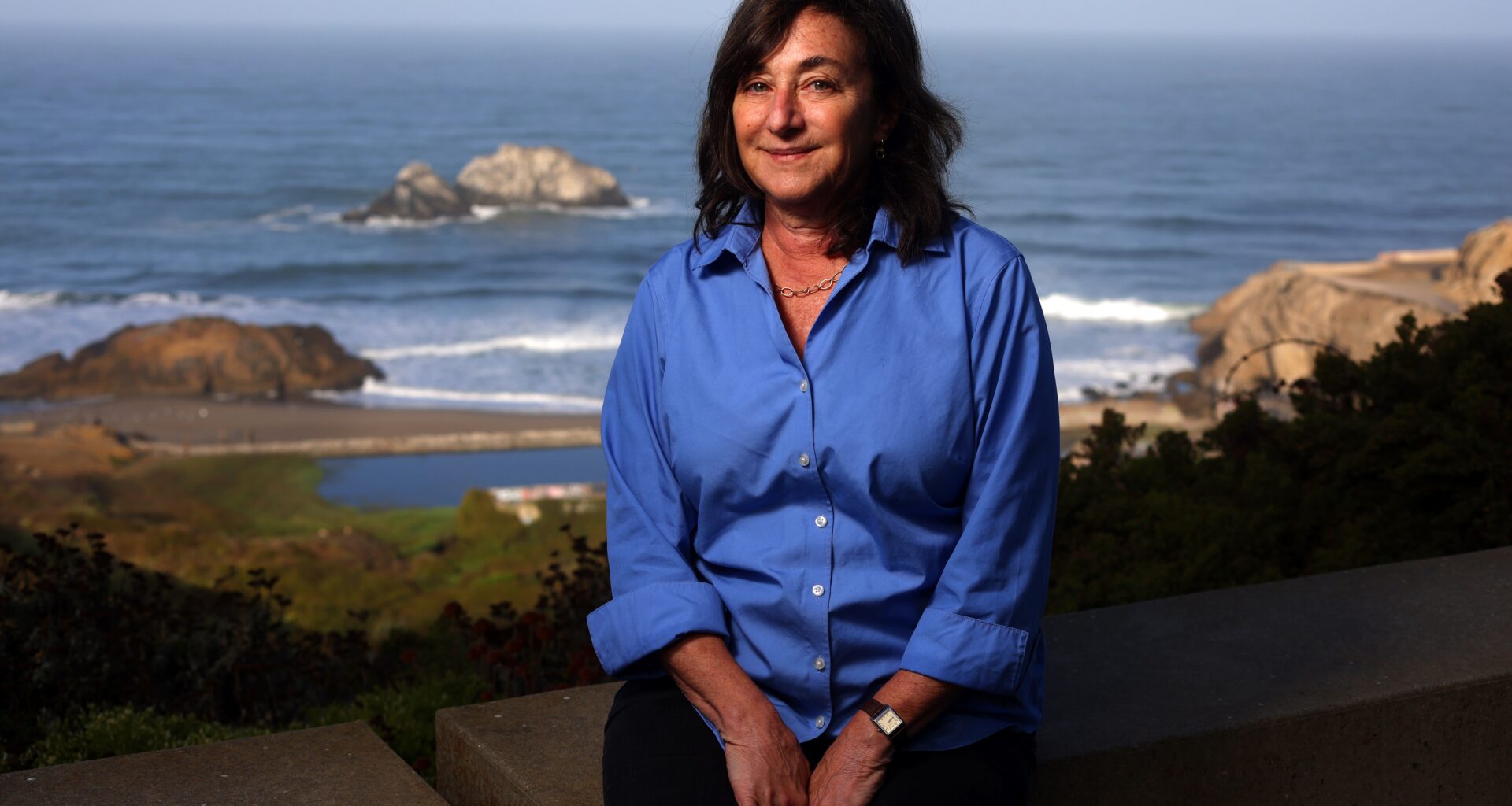
What can you do to get ready? Amy Bach is a consumer attorney and executive director of United Policyholders, a San Francisco non-profit group that promotes disaster preparedness and helps people with insurance issues after floods, wildfires, storms and other calamities.
RELATED: El Niño: New forecasts show high chance for California rainfall at 150%-200% of normal this winter
This conversation has been condensed and edited for clarity and length.
Q: On Sept. 21, Gov. Gavin Newsom declared a state of emergency to speed permits for flood protection projects and get state agencies ready just in case. How seriously should homeowners and renters be taking this?
A: Seriously. There is really one truism about the weather and climate change: Where it rains it can flood. We are seeing much more intense rainfall these days than we saw in the past. So take it seriously.
Q: When it comes to insurance, what should homeowners be doing?
A: They should find their policy, look at the first couple of pages and have a general understanding of what kind of protection they have. What is the deductible? How much coverage do they have for water damage? Most people don’t have flood insurance. If you have flood insurance, you know you have it because you are paying extra for it. So if you are not paying extra for it, know that you do not have insurance to protect you against flood damage to your home.
Q: Is it too late to get flood insurance?
A: Not at all. If you buy flood insurance through the National Flood Insurance Program, the government program, there is a 30-day waiting period before it kicks in. If you buy it through a private company such as Neptune Flood they have shorter waiting period, like 10 days. There aren’t that many private companies that offer it. The rub is that their pricing is great if you live in a low-risk area. But if you live in a higher flood risk area, the pricing tends to be very high. That’s the same with the federal program.
Q: What percent of homeowners have it?
A: About 2% in California. It’s higher in some Gulf Coast states.
Q: Why?
A: California has not flooded that much in the recent past. We don’t have a lot of areas that have been officially mapped as a flood risk area. But just in the last few weeks we have seen very rough oceans and big storm surges causing damage in Southern California. The footage really reminded me of a Gulf Coast storm.
Q: If you live along the coastline does flood insurance cover you for flooding from waves in storms?
A: It will cover you to a certain extent, yes.
Q: For folks who don’t live along a river or creek or on the coast, do they need flood insurance?
A: Our general advice is to get a quote and see what it would cost you no matter where you live. There are other conditions besides living near a body of water that come with flood risk. If you live at the base of a hill, that’s a higher flood risk because water can come down the hill and pool. If you live in an area where there have been recent wildfires, you are at higher risk because the soil is not as healthy and doesn’t absorb water as well. If your property doesn’t have good drainage, that’s another high risk. Heavy rain could cause water to pool up around your house. My backyard slopes toward the house. When it rains the water comes right down. We had to get a whole new drainage system put in. Every time it would rain heavily the water would come flowing into the garage.
Q: Do you have flood insurance?
A: I do not. But I do have earthquake insurance. So I have sort of made the decision that if I have to pay extra it is going to be for a quake, not floods.
Q: How about renters? What should they do?
A: Buy renter’s insurance for sure. Generally speaking it is very affordable. But just like a homeowner’s policy, it won’t cover floods or earthquakes. If you live in a basement unit or if your rental is below ground, that’s a higher risk factor and you should consider adding flood to your renter’s policy. Or if you live near a creek or river. Similar considerations to a homeowner.
Q: Is it cheaper if you are a renter to get flood insurance than if you are a homeowner?
A: Much cheaper. You are only insuring your possessions, not the building.
Q: In 2017, floods on Coyote Creek in San Jose caused $100 million damage in Santa Clara County. They flooded the rental homes and apartments of lots of people, many of them working class and first-generation immigrants. Cars’ engines were ruined. Carpets and drywall were underwater. It was rough.
A: You cannot outguess Mother Nature. You never know what is going to happen. But by thinking through what the vulnerabilities are where you live, and what is most important for you to protect, you can make better decisions. It has been heartbreaking after almost every flood event. People just do not have insurance. They are relying on government funding from FEMA. And as we see these days with the current administration that’s not always a good bet.
Q: What about preparing your house? It’s not raining now.
A: Keep your gutters clear so they can do their job. Get your hands on a supply of sandbags and be ready to put them along the base of your exterior doors or garage door. Also, evaluate your drainage system. Is there a place for the water to go? Walk around your house and think if it were to rain really hard in a short period of time where could water get into my house? And see what you can do to prevent that from happening. Flexible plastic downspout extensions on gutters to prevent water from pooling around your house are a good idea.
Q: What about trees and tree limbs and roofs?
A: You definitely want to keep tree branches from touching your house. You could have a tree expert evaluate if there are any trees that are looking like they could fall on the house in a high wind rainstorm. Keep your trees limbed up and trimmed. Also, if you know that your roof is old, even if it isn’t leaking, you could have somebody go up and look at it. Disputes over roof damage in storms are common. Insurance companies say “you weren’t maintaining your roof,” or “you can only get depreciated value.” Our general advice is to try and keep your roof in the best condition you can. It’s the key to protecting water from coming into your house.
Q: Anything else?
A: A lot of policies now have a cap. There’s a dollar limit for water damage and mold damage. It could be $5,000. It could be $10,000. It could be $15,000. Some policies exclude mold. Insurance companies have been very busy tightening up what they don’t cover and creating bigger protection gaps for people. So it really is important in this era where weird weather is happening more often and insurers are reducing what they pay for some things, to have a general idea of what you have, what your deductible is, and what the caps are. You should also call your agent and check on your policy.
__________________________________________________________________________
Amy Bach
Age: 66
Position: Executive director and co-founder, United Policyholders
Hometown: Brooklyn, New York
Residence: San Francisco
Education: Bachelor of Arts, Cornell University (1982); J.D., University of California, College of the Law, San Francisco (formerly UC Hastings) (1989)
Five facts about Amy Bach
— Sings and plays drums in a rock and roll garage band.
— Enjoys cooking.
— Co-founded United Policyholders in 1991.
— Began the organization after the 1989 Loma Prieta Earthquake with Ina Delong, a former State Farm employee, to level the playing field between everyday policyholders and adversarial insurance claim processes.
— Used to work in the New York State Legislature where she realized the lobbying and legal power of insurance companies. Is very happy to not have to scrape ice off her car anymore.