
Treasure Island has undergone a significant transformation in the years following the pandemic. All around the island are brand new condos and apartments that, despite the luxury amenities, have relatively affordable prices for the city. “We were living in a newer building before this,” said Nathan Williams, who recently moved to the island in April. “Here we have an apartment that is about the same size and we are paying a few thousand dollars less per month.” According to the S.F. Chronicle and U.S. Census data, Treasure Island has the highest percentage of young people. 61% of residents are between the ages of 18 and 44. The median age of 30 is 11 years younger than the average neighborhoods of the city. “It’s beautiful being in this area surrounded by nature and yet being so close to the city, accessible to everything,” Williams said. Along with the new complexes, there are new parks with freshly-paved bike trails and good views of the city. There are events being put on frequently, like Off The Grid food trucks. However, despite the neighborhood boom, it has longtime residents worried about their future. With new housing being built, some fear they will be priced out. “I am nervous to receive a final notice to leave the building,” said Sasha Arapinovich, who has lived on the island for 10 years. There is a contrast between the new and the old. Not far away from the new developments are a lot of old buildings and vacant plots of land. Arapinovich pays just $625 a month for his unit. He thinks he will soon have to look elsewhere. “I am not OK with the potential demolition of our houses,” he said. “Which are still standing strong and not derelict.”City leaders have looked to Treasure Island as a way to keep young people living in San Francisco after a good portion of that age bracket left during and after the pandemic. There is a multi-billion dollar plan to continue to develop the land to add 7,000 more homes, hotels, office and retail space. “There is just something thrilling about being a modern pioneer,” Williams said. “Not in a rustic sense, but just to be able to see this intentional placemaking.” See more coverage of top California stories here | Download our app | Subscribe to our morning newsletter | Find us on YouTube here and subscribe to our channel
SAN FRANCISCO —
Treasure Island has undergone a significant transformation in the years following the pandemic. All around the island are brand new condos and apartments that, despite the luxury amenities, have relatively affordable prices for the city.
“We were living in a newer building before this,” said Nathan Williams, who recently moved to the island in April. “Here we have an apartment that is about the same size and we are paying a few thousand dollars less per month.”
According to the S.F. Chronicle and U.S. Census data, Treasure Island has the highest percentage of young people. 61% of residents are between the ages of 18 and 44. The median age of 30 is 11 years younger than the average neighborhoods of the city.
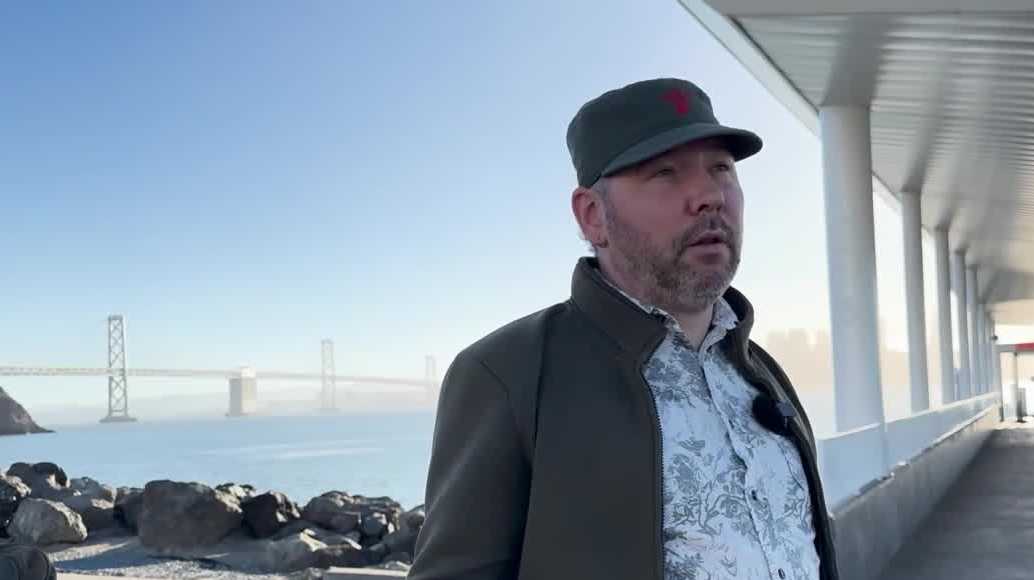
“It’s beautiful being in this area surrounded by nature and yet being so close to the city, accessible to everything,” Williams said.
Along with the new complexes, there are new parks with freshly-paved bike trails and good views of the city. There are events being put on frequently, like Off The Grid food trucks.
However, despite the neighborhood boom, it has longtime residents worried about their future. With new housing being built, some fear they will be priced out.
“I am nervous to receive a final notice to leave the building,” said Sasha Arapinovich, who has lived on the island for 10 years.
There is a contrast between the new and the old. Not far away from the new developments are a lot of old buildings and vacant plots of land. Arapinovich pays just $625 a month for his unit. He thinks he will soon have to look elsewhere.
“I am not OK with the potential demolition of our houses,” he said. “Which are still standing strong and not derelict.”
City leaders have looked to Treasure Island as a way to keep young people living in San Francisco after a good portion of that age bracket left during and after the pandemic. There is a multi-billion dollar plan to continue to develop the land to add 7,000 more homes, hotels, office and retail space.
“There is just something thrilling about being a modern pioneer,” Williams said. “Not in a rustic sense, but just to be able to see this intentional placemaking.”
See more coverage of top California stories here | Download our app | Subscribe to our morning newsletter | Find us on YouTube here and subscribe to our channel