
The Marin Community Foundation has awarded a $724,500 grant to cover the delinquent rent of about 64 public housing tenants in Marin City.
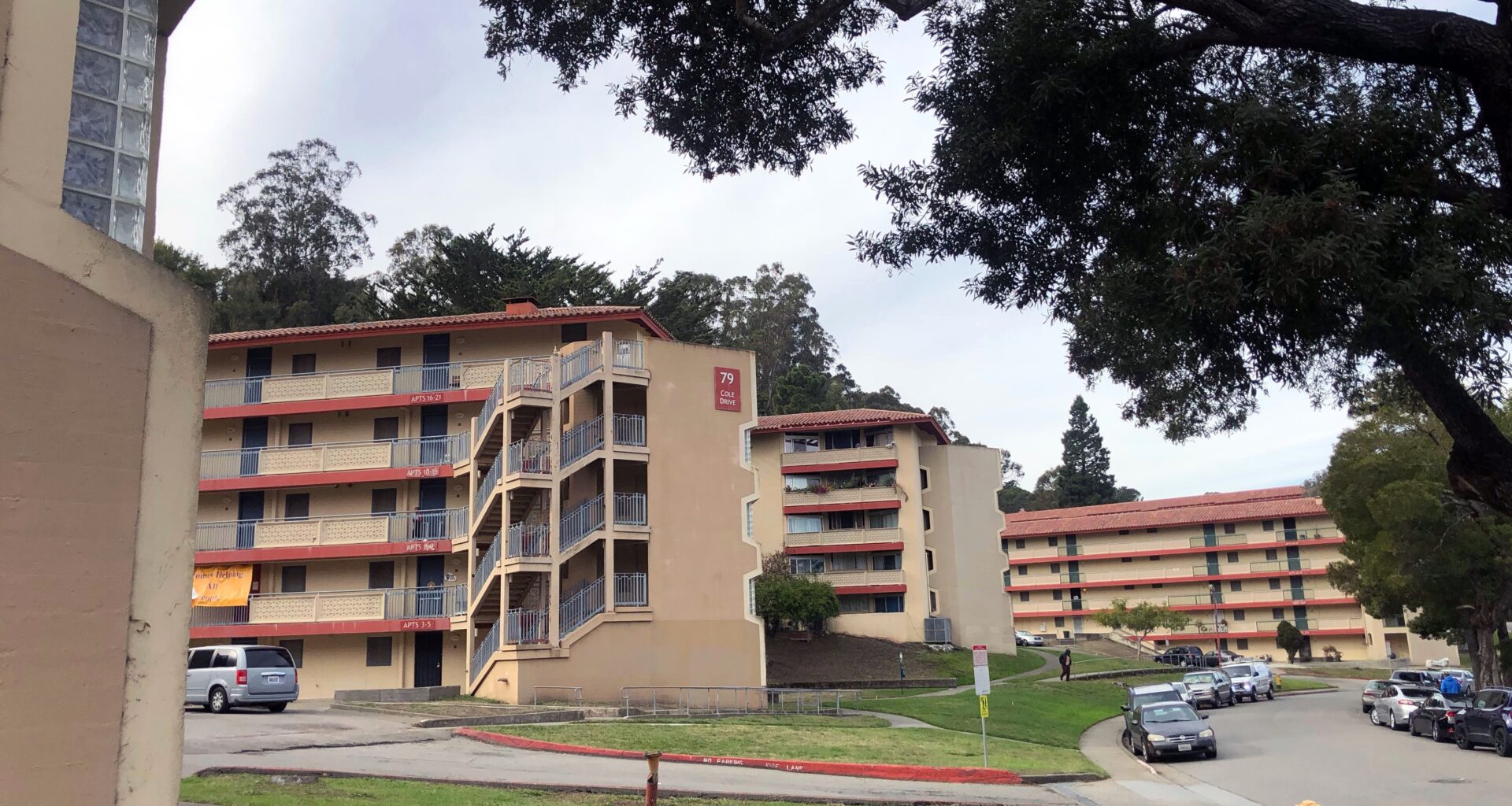
The tenants live in Golden Gate Village, a complex with about 300 apartments and 700 residents. The complex, which is dilapidated from years of delayed maintenance, is undergoing a major renovation.
Tenants will be moved out of their apartments in phases so the work can be completed. Under federal law, however, they must meet certain requirements to be guaranteed a right of return.
“All of our residents must be in good standing to stay in their homes,” said Tonia Lediju, executive director of the Marin Housing Authority. “That means they must have no past due rent or be on a current signed payment plan, be up to date on annual recertification paperwork and have no lease violations.”
The Marin Community Foundation allocated money from its Buck Family Fund to address rent problems that could impede residents from returning to apartments, according to a housing authority staff report.
The Marin Housing Authority commissioners, who include the five county supervisors and two public housing tenants, approved the grant agreement on Sept. 29.
Lediju declined to disclose how many Golden Gate Village residents are delinquent on their rent, how much they owe or how many residents are on repayment plans.
In addition to erasing the rental debt, the grant will provide funding for two full-time resident services workers through May 31, 2028.
“Marin Community Foundation made this grant, part of which covers back rent, because the evidence is clear: helping families stay in the homes they already have is one of the most effective ways to prevent homelessness,” Rhea Suh, the organization’s chief executive officer, said in a statement.
The funding is not the foundation’s first investment in Golden Gate Village. It also has contributed $1 million to the $2 million “empowerment” fund county supervisors established to support nonprofits that serve the neighborhood.
Residents at Golden Gate Village and other sites managed by the Marin Housing Authority are required to pay no more than 30% of their income on rent. If a tenant has no income, the housing is free, Lediju said.
However, tenants must keep the housing agency up to date if there are changes in their income, Lediju said. If their incomes drop and they don’t inform the authority, they could be asked to pay more than what is legally due.
Beginning in 2025, the Marin Housing Authority began working directly with Golden Gate Village households to address outstanding balances through repayment arrangements, income adjustments and available rental assistance, Lediju said.
The Marin Community Foundation grant requires the housing authority to track the number of households that fall behind on rent within three months, six months and one year after receiving rental assistance.
The first phase of the Golden Gate Village rehabilitation project began Sept. 9 with 55 tenants in 19 apartments being relocated to vacant dwellings in the complex.
“We’ve purposely held units open over the last year in preparation for the revitalization,” Lediju said. “We’re doing that so that individuals remain stable in their community. It’s like going to an Airbnb. Everything they need is there: Wi-Fi, televisions, bedding and furniture.”
The relocated tenants are expected to return to their refurbished homes in late January, when a new group of residents will be temporarily relocated. The first phase of the project, which will involve 88 occupied apartments, is expected to continue into early 2028.
Delinquent rent is not the only reason why some Golden Gate Village residents could eventually be required to leave their apartments. In 2021, the U.S. Department of Housing and Urban Development informed the Marin Housing Authority that approximately 72 households at Golden Gate Village were “overhoused.”
Overhoused means that residents are living in apartments that are larger than they need based on the number of occupants. Many of the overhoused residents were seniors.
Lediju said 50 households at Golden Gate Village are currently classified as overhoused, including 14 of the 88 households included in phase 1.
The federal housing department initially said it wanted overhoused residents relocated to appropriate apartments before the renovation at Golden Gate Village took place, but it hasn’t pressed the issue.
Lediju said residents who are temporarily relocated during the rehab will be returned to a dwelling with the same number of bedrooms as the one they left. Eventually, however, she said there will be a “reconsideration around household size and composition.”
The waiting list for apartments at Golden Gate Village has 475 people on it.