
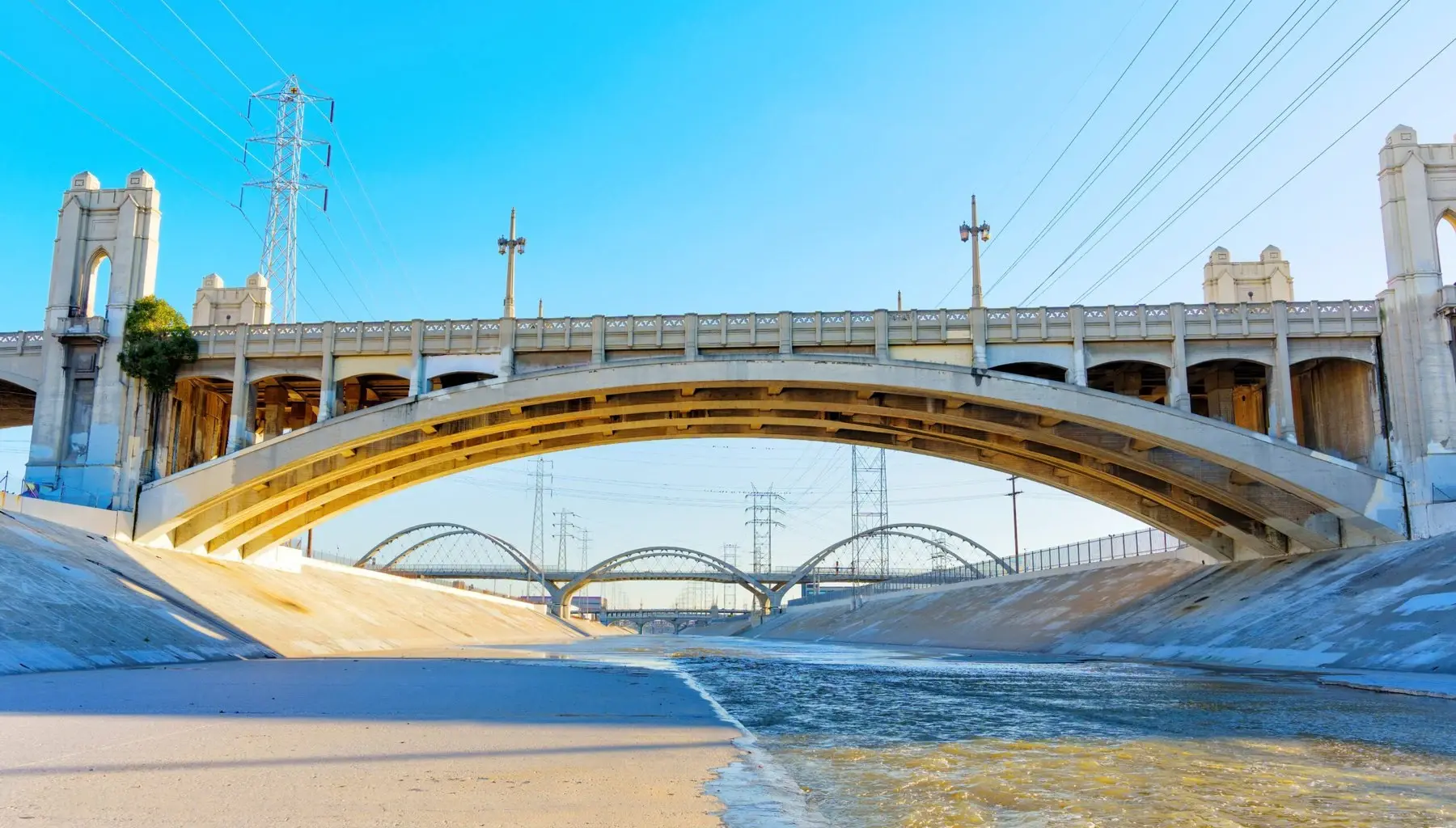
Picture a river that looks more like a parking lot than a waterway. That’s the LA River today. It’s 32 miles of flat gray concrete cutting right through one of America’s biggest cities. Not exactly the stuff of nature shows.
But that’s changing. And honestly? It’s been a long time coming.
What’s the Big Plan?
The Los Angeles River Revitalization Master Plan is one bold idea. The goal: turn all that cold concrete into real, living green space. We’re talking parks, trails, trees, birds — and even fish — all coming back to a river that forgot what it was.
The plan aims to reclaim over 750 acres along the channel. Here’s what that looks like on the ground:
Restored natural habitat for birds and animals
Cleaner stormwater before it reaches the ocean
A connected network of parks and walking trails
Green streets that link nearby neighborhoods to the river
Signature bridges, gateways, and public art throughout
That’s a whole lot of goods packed into one plan.
The river restoration happens in stages. Improvements go in at the top of the bank first. Then the work moves down toward the channel bottom as the city finds better ways to slow and store water. The end goal is to bring back fish habitats — steelhead trout, especially — and get vegetation growing again to support local wildlife.
More Than Just a Pretty Park
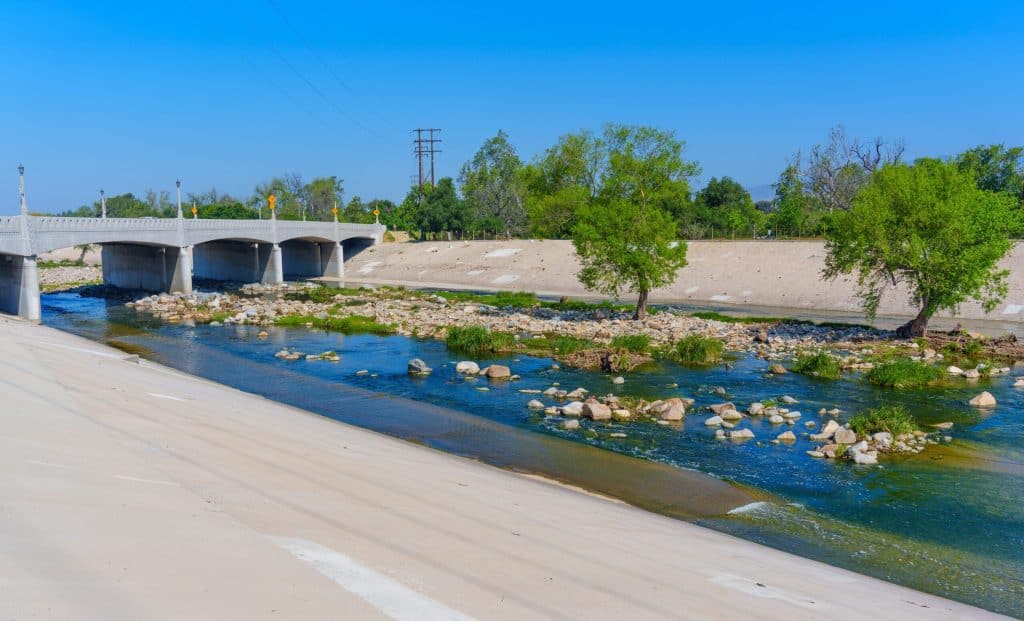
Fixing the LA River is great for the local economy, too. The numbers are pretty wild. Estimates put the economic boost at $2.7 to $5.4 billion in new development. Up to 18,000 new jobs could follow. The city could also see up to $81 million more in tax money every year.
Turning a forgotten stretch of concrete into a real community asset pays off big. No small feat for a river most people drive over without a second thought.
Cities That Did It First
Other cities have done it first. Seoul, South Korea, is the best example. All the way back in 1976, the Cheonggyecheon River was covered by a freeway. Not a bridge, a paved-over river. Then, in 2001, the freeway was removed, and the river was returned to the city. Wildlife returned in a matter of years. People also experienced improved air quality and less heat because of the river. 90,000 people visit the river every day.
Napa County is an even simpler example. Napa County was the first to take action on the river. They restored 15 miles of the Napa River and created an additional 135 acres of flood plain. The wildlife came back, the people loved it, and it became the largest wildlife and habitat restoration project in the state. LA has a lot to learn from Napa and Napa County, CA.
Paying for It All
Big dreams need real money. Luckily, LA already has solid funding in place:
Measure W created a property tax that raises about $300 million a year. That money goes toward capturing and cleaning stormwater.
Measure M funded a $356 million central path that runs right along the river.
These are real dollars behind a real plan. The city means business here.
Why You Should Care
Should you live in Los Angeles (or plan to visit), this project will change your perception of the city. Currently, the LA River is largely unknown, obscured by fences and concrete as if trying to hide its presence.
In the near future, it will become the city’s central green lung, offering numerous opportunities for recreation, birdwatching, and riverfront relaxation on sunny afternoons.
The river never went away. It just needs a second chance. And from everything the plans show, that chance is finally here.

Post navigation