
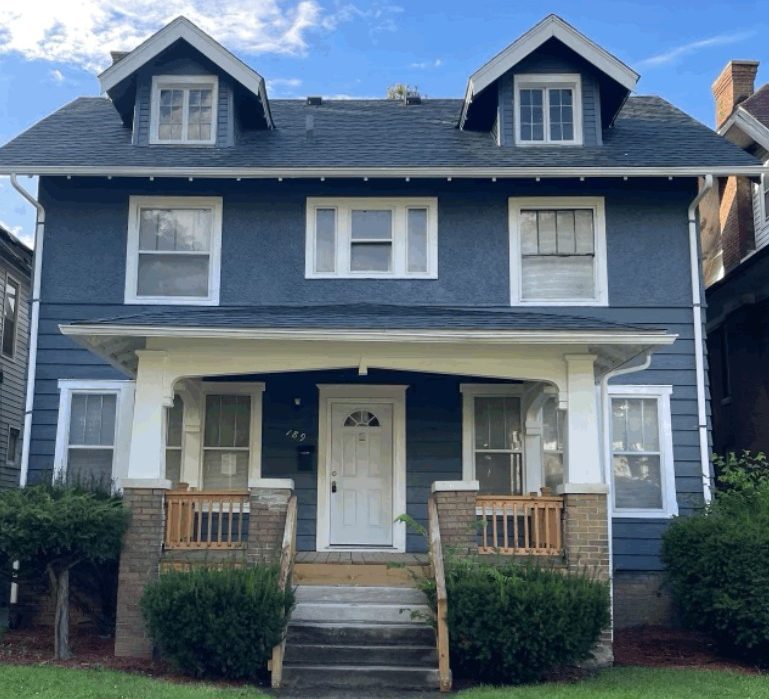
Agencies in Macomb, Oakland and Wayne counties were awarded a chunk of $3.4 in opioid-settlement funds to open a total of 69 beds for those seeking to recover from substance-use disorder.
Thirty-three beds will be added in Wayne County, 20 in Macomb and 16 in Oakland beds through six organizations through a grant program executed by the Michigan Department of Health and Human Services in partnership with the Michigan State Housing Development Authority to increase the number of recovery beds through the Recovery Housing Investment Program, the state DHHS said in a press release.
“Every person in recovery deserves the chance to rebuild their life with dignity, connection and hope,” said Amy Epkey, acting state DHHS director, in the release. “When we invest in recovery supports, we’re investing in stronger families, safer communities and a healthier Michigan.”
Statewide, 18 agencies were awarded funds to purchase or lease 24 new recovery residences in 14 counties via a competitive process to bring an estimated 205 beds to Michigan communities to provide stable and supportive living environments for people in recovery, officials said.
“Recovery is about more than overcoming addiction. It’s about having the stability and support to rebuild your life and reconnect with the people and communities that matter most. Housing is foundational to that journey,” said Amy Hovey, CEO and executive director of the state Housing Development Authority.
HCC Connection LLC based in Highland Park received funds to open the most beds, 27, at three houses in Detroit and Highland Park that are currently being purchased, according to HCC CEO Jovon Burkes.
Burkes said the organization already operates 50 beds that are fully occupied in the cities, and the new beds will likely open in second quarter of next year.
“We’re going to expand because there is a need,” Burkes said. “One of the biggest needs for people trying to recover is where to stay at night.”
Residents undergo counseling, therapy and other recovery activities, he said.
In Macomb County, 12 beds will be added at Live Rite Properties LLC in Roseville and Hunter House Recovery in Eastpointe. In Oakland, 10 beds will be added at Kelsey’s House Foundation in Royal Oak and six at Sacred Heart Rehabilitation Center in Madison Heights. Six beds will be added at Elmhurst Home Inc. in Detroit.
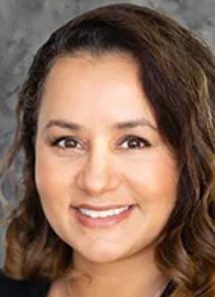 Natasha Bagdasarin, chief state medical executive and chair of the Opioids Task Force
STATE OF MICHIGAN PHOTO
“Housing is more than a roof. It’s a foundation for long-term wellness, employment, connection and community participation,” said Dr. Natasha Bagdasarin, chief state medical executive and chair of the state Opioids Task Force.
Previous Recovery Housing Investment Program investments have resulted in 136 new recovery beds at 18 properties in six counties, officials said. In the past few months, more than $12 million in opioid settlement dollars has been awarded to more than 50 community agencies that offer community-based assistance and recovery residences.
An unidentified resident of a recovery home, according to the state, said of his stay at a residential recovery facility: “The biggest impact has been on my relationship with my 13-year-old daughter. There was a time when that relationship was at risk because of my addiction. Today, it is as strong as it has ever been. I am present, consistent and someone she can trust. I get to show up as her father in a real and meaningful way. That is something I don’t take for granted, and it would not be possible without the stability (the recovery residence) has given me.”
The state is slated to receive more than $1.8 billion from national opioid settlements by 2040, with half distributed to the State of Michigan Opioid Healing and Recovery Fund and the other half distributed directly to county, city and township governments.
More information on funded organizations is available on the MSHDA Recovery Housing Investment Program webpage.
For more information about substance-use-disorder resources and the state’s opioid settlement investments, visit Michigan.gov/opioids.