
On death beds all over the world no one ever says, “Gee, I wish I’d spent more time at the office going over those spreadsheets.” Despite this, many people do spend an inordinate amount of their lives working — often at jobs they’re not exactly thrilled about — all while dreaming of exotic excursions that they never seem to take.
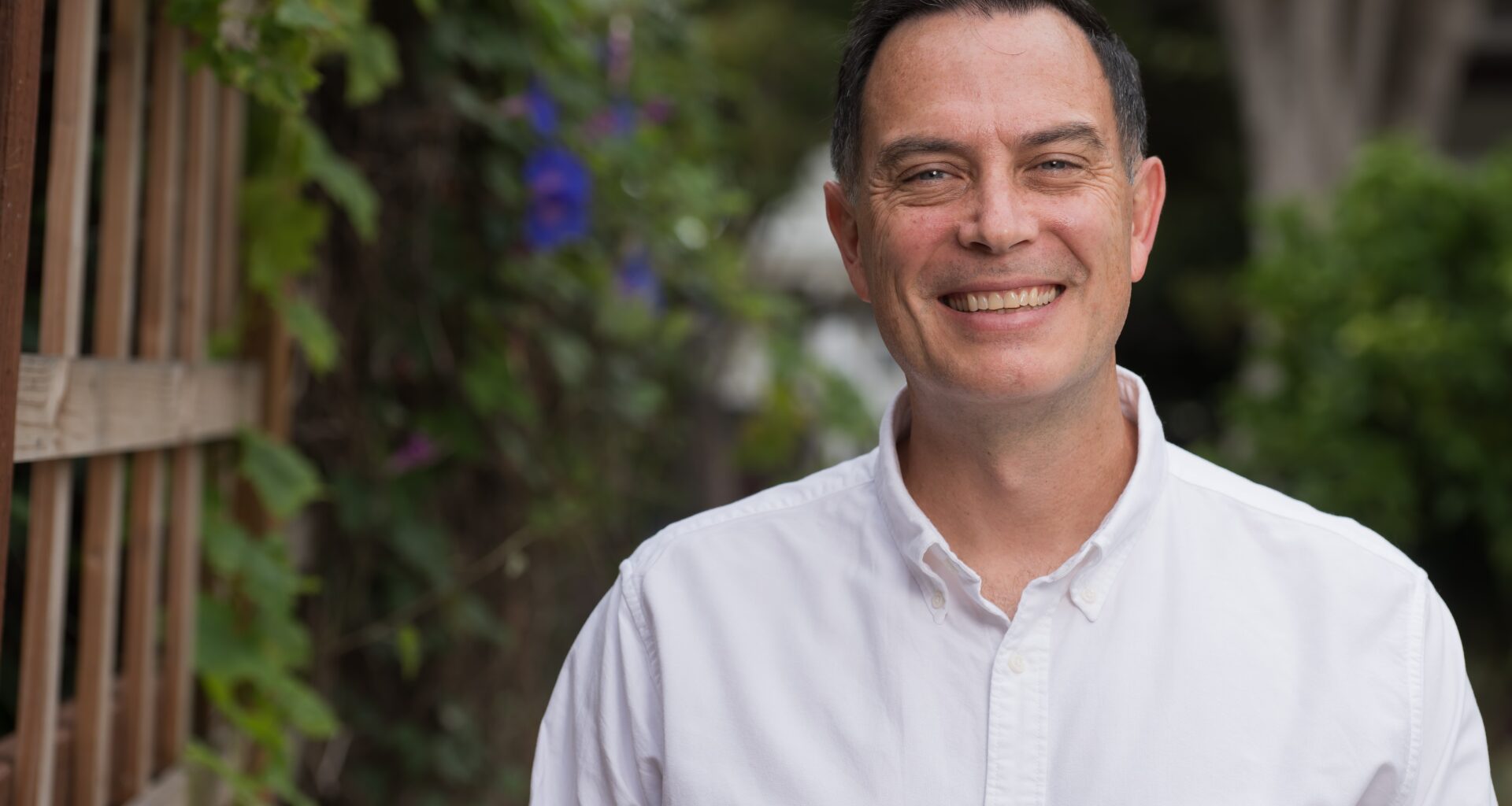
Alameda-based financial advisor Brian Herriot was just such a person when at the ripe old age of 43 he decided he didn’t necessarily want to wait until he was 70 to take summers off at the family lake house in Wisconsin. He set a goal for himself to start doing that with his wife and son at age 46. Now 50, he’s done it ever since and even learned to water-ski.
Herriot is the life force behind what he calls the Time Freedom program that includes a book, podcast and speaking engagements. He also helps people invest their money to achieve the program’s lifestyle.
The key to Herriot’s view of work is essentially planning to do so longer part-time instead of clinging to the traditional way of setting a rigid savings goal by age 65 or so and then fully retiring. What this allows for is extended periods of time off to pursue outside interests, like the aforementioned waterskiing.
While being able to put out a shingle and work as an entrepreneur may seem like a prerequisite, Herriot says it helps but isn’t completely necessary.
“If you have that luxury of being self-employed, you’re going to probably be able to live this life a lot sooner,” says Herriot. “But I really tried to convey in the book that there’s the money part of it and the work part of it. The money part of it you can accomplish because you can make money as an entrepreneur or you are a natural saver and investor, or you don’t spend a lot. So you don’t necessarily have to be an entrepreneur on the money side.
“On the work side of it, I hear stories about people that have come out of an employed position at a huge firm where you have to work five days a week on-site and start working for a smaller firm where they have four-day work weeks.”
Bingo — more time. To make his concept work Herriot says people have to be committed to doing it. For instance, many of his clients are originally from India and they go back every year for six weeks.
“Somehow they’re able to do it. Either they’re bunching their vacation or just trying some different things.”
Herriot says taking summers off at a Wisconsin lake house has taught him firsthand about people living life on there own terms — especially when it comes to home repairs.
“Work is very seasonal up here,” he says from Wisconsin. “It’s sometimes hard to get people to do anything for you in the summer. There’s a particular plumber that we use — everyone else seems to mess things up, so we just wait for him.”
Herriot says when they ask that particular plumber to fix something, the answer is often, “ ’Sorry, I’m taking these six weeks off and going fishing in Canada.’ Good for him.”
The key to playing hard-to-get is “you have to be really, really good at your work where people will wait for you,” says Herriot.
Prioritizing experiences over buying things is also part of the Herriot’s theory.
“The moment you buy something, it loses its newness, and then you start to forget about it. But I think with experiences, you continue to look back on them and they get better over time,” he says, adding that a lot of research supports this idea.
Herriot says buying coveted items can still also be beneficial — especially if it drives an experience. For example, he says take a guy who loves Porsches, has spent a lot of money on one and takes it to car meets.
“They’re doing that so they can meet people that have the same interests. So it is an experience. Or you buy a bunch of beer brewing stuff — you’re doing it so that you can have your friends over and brew beer and joke and laugh. When the thing drives an experience, it’s a good thing.”
We all only have so much time for experiences, though, and Herriot was concerned about running out of time for certain ones he wanted to have. He had previously planned to retire at 70 and then walk Spain’s famous Camino de Santiago trail.
“But I’m like, how are my back and my ankles and my knees going to be at that time? I may not even be able to do it then. If you don’t take advantage of the experience while you’re in that season of life, then you miss out on it. That would be the worst thing.”
For more information online about Herriot’s Time Freedom program, visit timefreedom.life.
Paul Kilduff is a San Francisco-based writer who also draws cartoons. He can be reached at pkilduff350@gmail.com.