
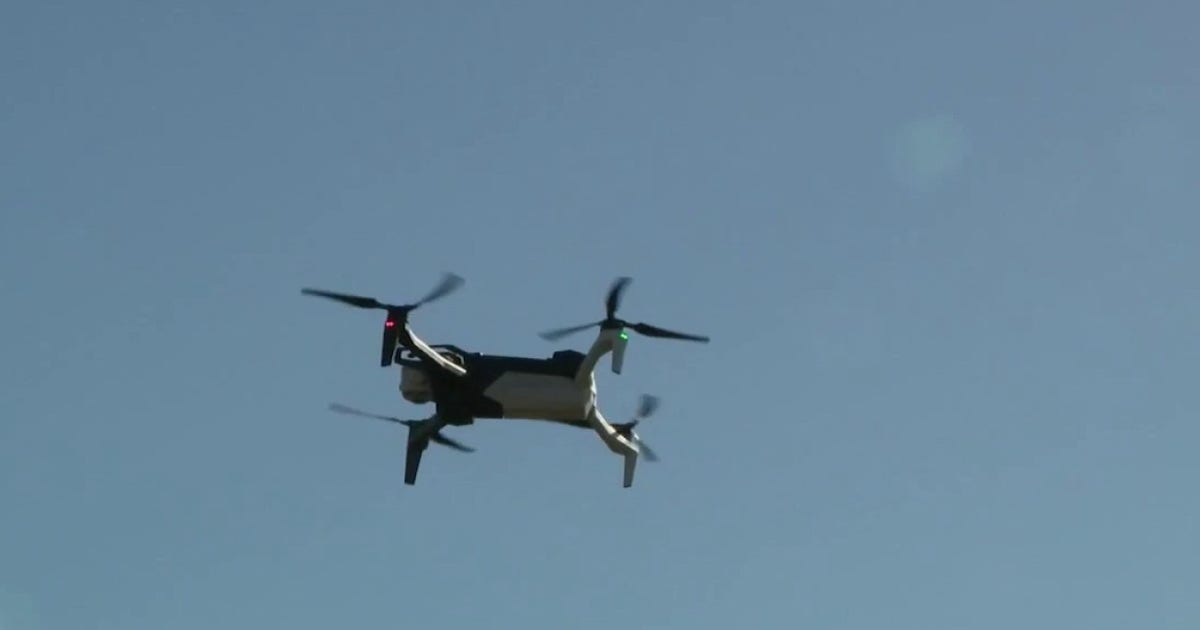
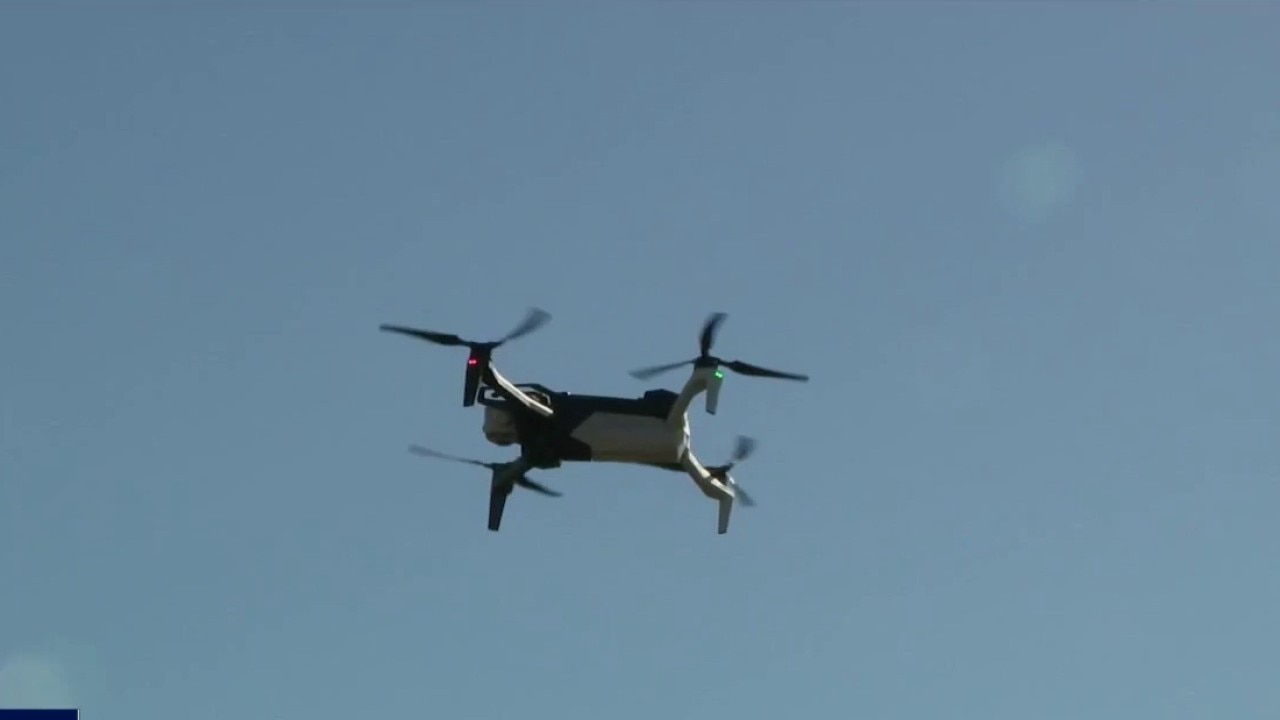
SF Police Commission puts new rules in place governing the use of drones in the city.
SAN FRANCISCO – San Francisco‘s Police Commission voted on Wednesday to approve new rules governing the use of police drones, but some say the new rules don’t go far enough to protect San Franciscans’ privacy.
Commissioners met at City Hall and approved the rules, which say drones can be used when a public safety response is called for, but prohibit general surveillance.
They also set guidelines for how and when drones are used at protests and limit video retention to 30 days unless the drones capture evidence of a crime. In that case, the video can be held for two years.
Before the commission took up the issue, opponents of police drone use voiced their concerns on the steps of City Hall, saying the technology poses a threat to privacy, supports billionaires and companies whose values don’t align with those of San Francisco. In addition, activists and critics say use of drones increases the militarization of police in the city.
Manny from the group DeFlock SF said, “The more that the police use military-grade weapons and surveillance technologies, the more they will continue to see the community as enemy combatants.”
Inside, the commissioners heard public comment.
What they’re saying:
Some commenters say the cameras have been critical in catching criminals and ultimately driving down crime in the city.
Don Thomas said, “The drones have been valuable in tracking down and immediately, within the same hour or two hours, capturing people engaging in theft, robbery and beating up of people on the street.”
Opponents to the drones said the language of the policy is vague and could allow for abuse when it comes to how the drones are deployed and how the data they collect is stored and possibly shared.
“What’s really standing out to me is how vague and toothless this policy really is,” said one unidentified woman during public comment. “What most upsets me is the conversation that I just heard shows…shame on you, frankly, for not having the guts to stand up for our privacy.”
What’s next:
Now that the police commission has voted to approve this package of guidelines, the department typically takes about three months to finalize details and fully implement the new rules.