
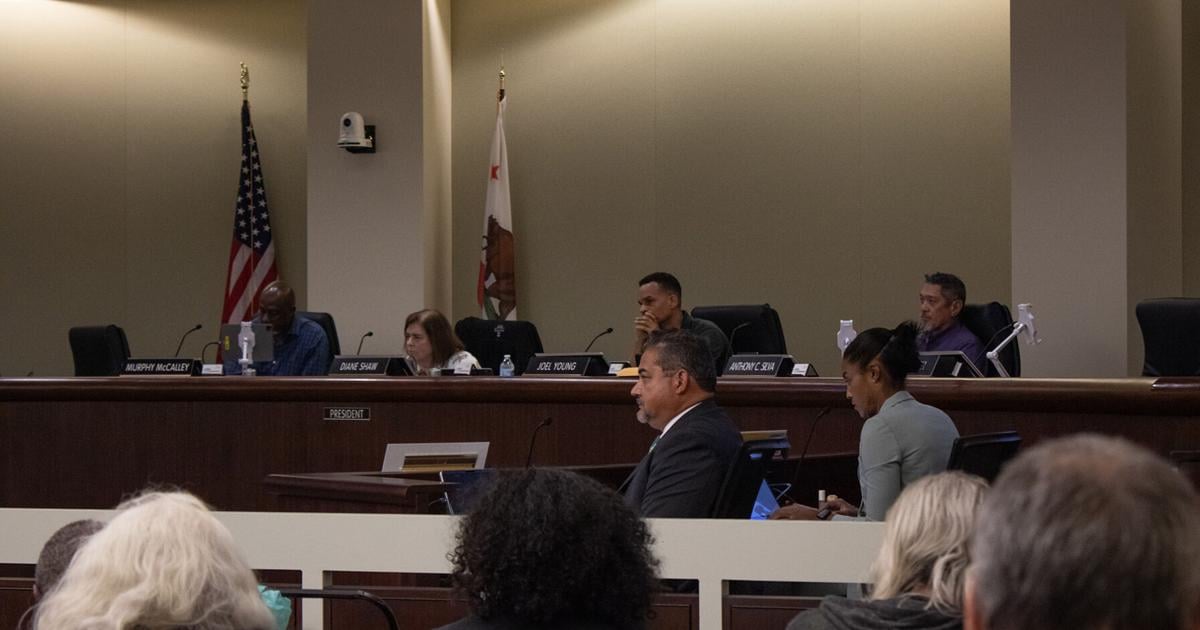
The public comment period for AC Transit’s Proposed Contingency Service Plan closed Wednesday. The plan outlines reductions to bus service that could occur if a regional transit funding measure fails in the Nov. 3 election.
The AC Transit Board held public hearings Wednesday for final public comments to help refine the plan. They asked for feedback regarding which connections and routes mattered most to locals in order to “focus limited resources where they will have the greatest impact,” according to the AC Transit website.
AC Transit is projected to face a $200 million deficit over the next four years and currently has no guaranteed long-term source of funding. As a response to this deficit, the Regional Transit Measure is on the Nov. 3 ballot. This measure would enact a half-cent sales tax to give AC Transit approximately $52 million a year in revenue.
If this funding is not secured, AC Transit service could be reduced by up to 16% beginning as early as June 2027. This reduction could include laying off up to 300 employees and removing up to 100 buses from daily operations, according to AC Transit spokesperson Robert Lyles in an email.
During public comment, speakers raised concerns about the proposed termination of weekend service by the all-day Transbay bus lines, including the F, NL and O lines. Speakers also raised concerns about the impacts of evening service reductions for students taking evening classes at California State University, East Bay; Merritt College and Chabot College.
“It’s a major concern because with more people out of jobs (and) students trying to better themselves, if you don’t have public transit to get you from point A to point B — because not everyone can afford Uber — you’re essentially living in jail, because you cannot better yourself for education,” said public commenter Clarence Fischer in an interview.
The People’s Transit Alliance urged the board to prioritize driver safety and realistic schedules during public comment. Seamless Bay Area also noted the importance of buses in relieving congestion on highly populated roads in an email.
“Our approach is simple: plan for the worst and hope for the best with this contingency service plan,” said David Berman, senior transportation planner at AC Transit, during public comment.
Lyles emphasized that AC Transit is trying to protect transit-dependent communities. The plan prioritizes high-demand lines and Equity Priority Communities, including West and East Oakland, South Berkeley and Richmond.
Other factors that the board considered while proposing cuts were “income, car access, disability, age, language barriers, and housing costs,” Lyles said in the email.
“We know that AC Transit is more than transit in the East Bay,” Lyles said in the email. “Our bus lines are often the only way to get to work, school, medical appointments, and other essential destinations.” He added that the proposal aims to “preserve essential connections, particularly for riders with the fewest transportation alternatives.”