
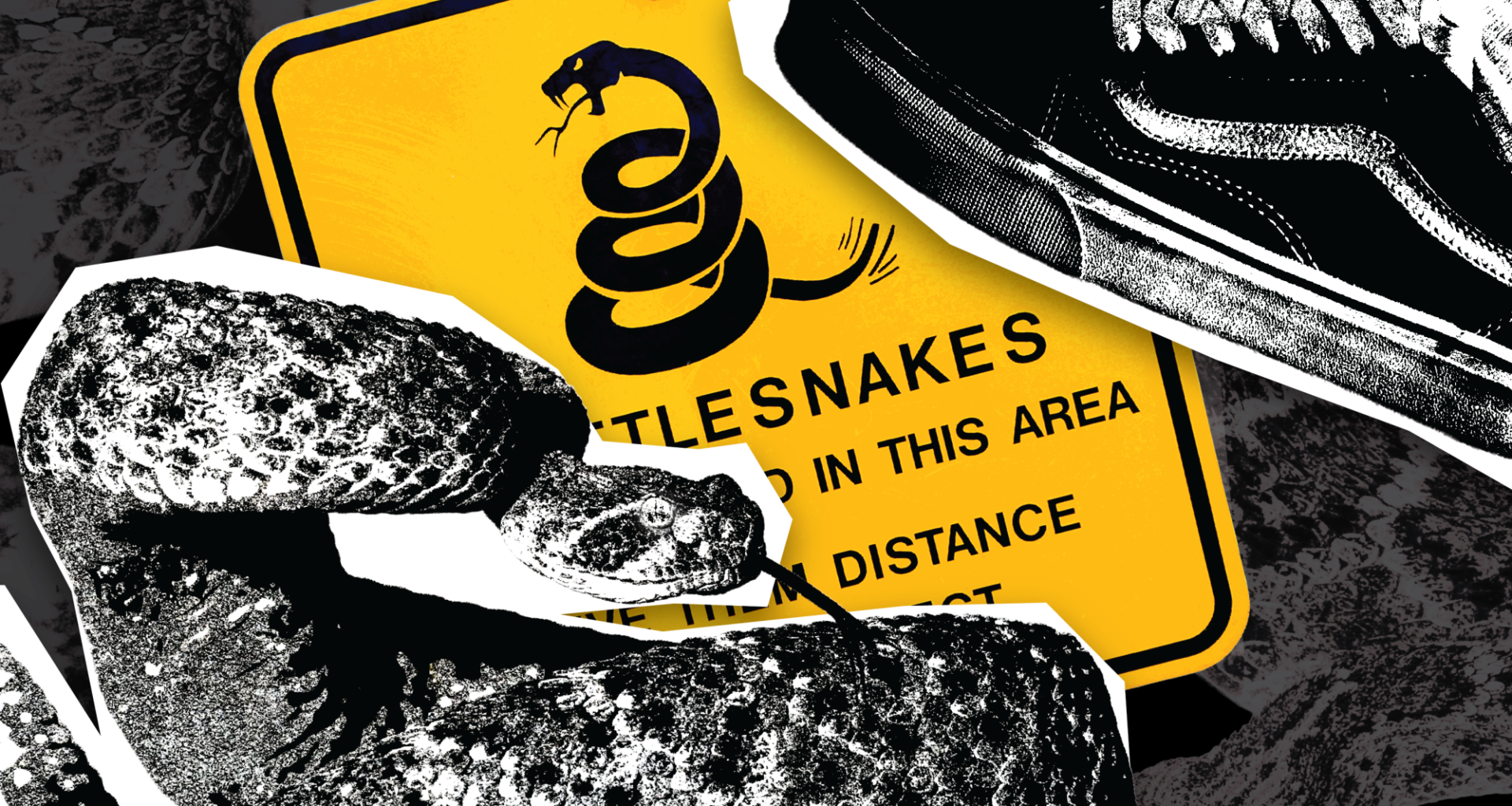
This year, Southern California has seen an influx in rattlesnake sightings and attacks. While the biodiversity of this region makes seeing a rattlesnake common, California Poison Control expects a 20% increase in bite reports this year.
So far, it has reported over 250 rattlesnake bites this year, while the yearly average is usually 400. These sightings began in January, three months before their usual April to October season starts. News sites, such as ABC 7, have reported that this is a result of the record high temperatures that have been documented throughout 2026.
Dr. Rulon Clark, a professor of biology at SDSU said the numbers are misleading. He believes they are random variations and have been blown out of proportion for media outlets to fear monger. Clark said snakes don’t attack, but are instead defensive.
“The media is not putting it into context,” said Clark. “There are way more people who are dying from lightning strikes, dog attacks, bee stings. That’s not even thinking about car crashes or other humans. The risk of snake bites and the number of deaths are so vanishingly low. I would hate for people to think they need to stay away from natural areas because of that.”
He said these bites tend to occur when there is a horrible accident. If somebody isn’t watching where they put their hand, they step on something or they accidentally fall into a bush, the snake can get scared and attack.
On the occasion someone is bit, there could be both health and financial consequences.
A study published in The National Library of Medicine found that the average cost of antivenom treatment for a single person is $31,343; the medication alone costs $22,443 on average.
According to KFF Health News, most antivenom medicines cost around $3,198 a vial, which adds up as most treatments require four to six vials. Furthermore, ambulance fees and hospital bills add onto these medical costs.
In 2024, a two-year-old in San Diego was bit by a rattlesnake. After treatment, his family was billed almost $300,000 with a majority of that accounting for the antivenom.
However, the National Library of Medicine found manufacturing costs for these vials could be as low as $20 and as high as $225. As a result, many are wondering why the cost of treatment is so high. Regardless, because rattlesnake bites are known to be extremely painful and potentially life threatening, most people are willing to pay these amounts anyway.
Clark said these prices could be attributed to the lack of accessibility hospitals have to effective antivenom as well as the complex process it takes to create the treatment. He believes one of the reasons it’s expensive is because scientists still have to manufacture it by using live animals like goats, sheep or horses.
“The only effective way we’ve come up with to treat this is to use antibodies,” said Clark. “We pool venom from all sorts of different rail snake species, inject small doses of that into other mammals, harvest their blood serum, clean up the antibodies and then we’re injecting that into people so that those antibodies then circulate in your bloodstream and start binding up the venom proteins.”
Because venomous bites are rare, Clark said hospitals often have expired vials and need to borrow from neighboring hospitals; this can also contribute to the cost. He also said a quarter to a third of these bites are dry, which means the rattlesnake attacked without squeezing any venom out.
San Diego is home to four different species of rattlesnakes and many hiking trails where they can be spotted, according to Clark. He advised that, in the case that this happens, hikers should simply walk around the reptile while taking in the excitement of seeing such a unique animal.
Sophie Shirley, the president of SDSU Hiking Club, said she and other members have been aware of the influx and have spotted more rattlesnakes in the last two years, with three of those sightings occurring during this summer. She believes the heat is contributing to this activity.
The club has trained safety coordinators who are equipped to treat the bite within the first 10 minutes of it happening. This includes a full first aid kit with “intentional pieces” that can mend a bite from multiple types of animals.
“In California, the cost for a rattlesnake kit to be carried by safety coordination is over $1000, so instead we have all the small things that help at the moment like bandages,” she said.
Like Clark, Shirley believes that these records of bites may not correspond to these sightings. She said she has seen a “ridiculous amount” of rattlesnakes during hikes on private trails, but each time, it ran away and did not attempt to interact at all.
Regardless, her experience being president of the SDSU hiking club has caused her to run into a lot of issues with students’ lack of readiness for a hike. This includes incorrect clothing and forgetting important tools like water and sunscreen.
“I think the correlation could also align with the fact that a lot of people are hiking unprepared,” said Shirley. “A lot of hikers are not prepared for their circumstances or their surroundings as much as they used to be and I think miseducation as well has led to this influx of biting.”
Clark wants to emphasize to people that rattlesnakes are very important in terms of a functional ecosystem and hopes more people will come to appreciate rattlesnakes despite how nervous they make people feel.
“I might get freaked out swimming at the beach because great white sharks have been known to attack people occasionally,” Clark said. “It does happen, but it is so rare that I just have to reassure myself that they have a place here. I’m willing to take the risk and go surfing anyway and I appreciate that nature has some sharp edges to it.”