

 King Pool is shown in a 2022 file photo. City officials say they could reduce hours at public pools and make an array of other cutbacks if voters don’t approve the sales tax Measure V. Credit: Ximena Natera, Berkeleyside/Catchlight
Berkeley leaders laid off workers and made deep cuts to city services this year to balance most of a $30 million structural budget deficit. Now they’re warning those cuts could get even more painful unless voters pass Measure V, a permanent 0.5% increase to Berkeley’s sales tax that would generate $9 million to $10 million per year.
That would be enough, supporters of the tax say, to close what remains of the ongoing deficit, setting Berkeley on a solid financial path and averting threatened cuts to fire, police and parks programs that could include shuttering a fire station.
“This is a result of many years of city councils kicking the can down the road and not making decisions regarding this structural budget deficit,” said Rebecca Mirvish, the manager of a joint campaign to pass Measure V and Measure U, a $300 million infrastructure bond. “Now, we finally have to address it.”
Opponents of the measure argue hiking the sales tax would be a regressive and misguided way for Berkeley to balance its deficit, and contend residents shouldn’t be asked to shoulder another levy. Michael Katz of the group Affordable Berkeley, which opposes the sales tax and infrastructure bond, said Measure V puts Berkeley “out of step with national movements” to address the soaring cost of living.
“It’s not the time to pile on even more pain in people’s daily lives,” Katz said.
The measure can pass with support from a simple majority of voters.
Measure V has been endorsed by Mayor Adena Ishii and every other member of the City Council, former mayor and state Sen. Jesse Arreguín and City Auditor Jenny Wong, as well as a raft of labor organizations — among them the Alameda Labor Council, Berkeley Firefighters Local 1227 and locals of Service Employees International Union and the American Federation of State, County and Municipal Employees that represent city workers.
All of our coverage: Meet the candidates running for city council, rent board, school board and more. And learn about local ballot measures and how to vote.
Some backers of the bond measure, including the progressive groups Berkeley Tenants Union and Wellstone Democratic Renewal Club, declined to endorse Measure V.
The joint campaign for the bond and sales tax has so far reported $96,365 in contributions, and has ramped up its fundraising in recent weeks. As of the most recent campaign finance deadline on Sept. 19 it had raised $38,865, but it has reported major contributions totaling another $57,500 since Sept. 29, thanks primarily to donations from unions.
Its largest single donation came from the political action committee of SEIU Local 1021, which gave $15,000; the union represents hundreds of city workers and called this summer for the City Council to limit job cuts. Several other organizations have each cut $10,000 checks to the campaign: committees for Sheet Metal Workers Union Local 104, Plumbers and Steamfitters Local 342 and AFSCME Council 57 and Local 1, as well as the North Coast States Regional Council of Carpenters and the Richmond company Alten Construction LLC.
Affordable Berkeley has formed a campaign committee and is soliciting donations, but has not yet reported any fundraising or campaign spending.
Without tax, fire chief warns cuts could ‘devastate emergency services’
If Measure V fails, Berkeley could close Fire Station 4 on Marin Avenue and lay off nine Fire Department employees who staff the station. The city could lay off nine police officers, while cutting another six open officer positions and six more vacant 911 dispatcher jobs. And it could reduce hours at city pools and slash enrollment in popular summer and after-school programs for children because of staff cuts affecting city parks.
The two-year budget the City Council adopted in June used one-time funds to cover those line items for the current fiscal year, in hopes that voters would approve the sales tax increase and deliver funding for them going forward. City Manager Paul Buddenhagen laid out the potential cuts in a budget balancing plan last spring.
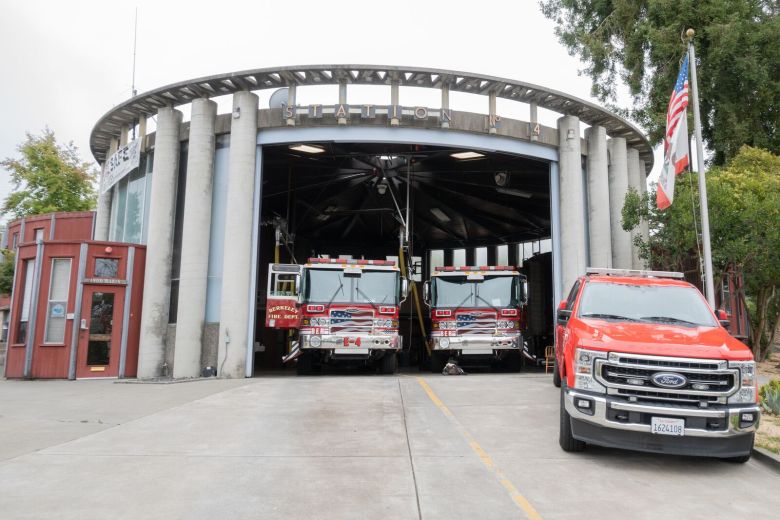 One budget balancing plan calls for closing Fire Station 4 on Marin Avenue if the sales tax fails. Credit: Hope Muñoz
The spending cuts Berkeley has already made — which included closing a winter shelter for unhoused residents, shutting down a program that sent mental health personnel to certain emergency calls, laying off workers and closing more than 100 vacant positions — were enough to address $21 million of the structural deficit. Now the city needs to find another $9 million in either new revenue or further cuts.
The future spending reductions aren’t set in stone; the City Council has the final say on spending decisions, and some members have said they won’t vote to close the fire station.
Still, Fire Chief David Sprague wrote in a statement he shared with Berkeleyside that the potential cuts could “devastate emergency services.”
“The reality is that we do not yet know exactly what will ultimately be cut,” Sprague wrote. “What we do know is that almost 50% of the general fund budget pays for police and fire services, and it will be impossible not to have an impact on these services.”
Should Berkeley have balanced its budget another way?
Passing Measure V would bring the total sales tax levy in Berkeley to 10.75%, which supporters say is in line with other cities. (If a regional 0.5% sales tax increase to fund public transit service also passes this November, it would reach 11.25%.)
Katz and Nancy Rader, another opponent of the Berkeley measure, contend the City Council went about addressing the deficit in the wrong way. They said the council could have found other places to cut and criticized steps the body has taken to increase revenue, such as extending parking meter hours to 8 p.m. and Sundays.
“They didn’t prioritize, they didn’t find inefficiencies, they didn’t cut non-priority services,” Rader said. Berkeley residents already pay high taxes, she added, “And we don’t have a lot to show for it.”
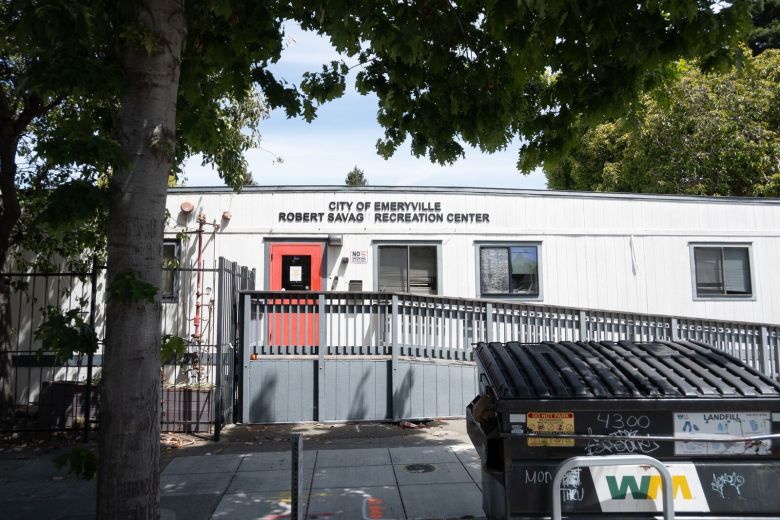 Berkeley operated a seasonal homeless shelter out of an Emeryville facility last winter. The city ended the seasonal shelter program as part of budget cuts this year. Credit: Hope Muñoz/Berkeleyside
Supporters of the tax counter that critics haven’t put forward their plan for how Berkeley should have addressed its deficit, and could have done so when the budget was being crafted months ago. Asked what spending cuts or revenue increases she thought the council should have pursued instead, Rader responded, “I don’t think that’s our job.”
In an email, Katz suggested the city could have increased revenue by negotiating a higher annual payment from UC Berkeley than the $4.1 million it agreed to in a 2021 settlement, and mentioned a partial repeal of limits on commercial property tax valuations; California voters rejected that long-discussed idea in 2020.
Katz and Rader contend they and other residents are also motivated to oppose the sales tax and bond because they disagree with the City Council’s support for two fiercely debated local issues: a plan to rezone portions of North Berkeley and the Elmwood District for larger housing development, and a project installing protected bike lanes on Hopkins Street at the expense of about 150 parking spaces.
“Some people are thinking that way,” Rader said. “They are not happy with what our city is doing right now.”
Mirvish said people can disagree with council decisions, but contends voting against the taxes in an effort to send a message about their discontent “is not going to accomplish anything” other than creating more funding cuts. Mirvish noted councilmembers Shoshana O’Keefe and Brent Blackaby, both of whom opposed the Hopkins bike lane plan, are backing the tax measure.
“Even though they don’t agree on everything,” Mirvish said, “they all know how important this is.”
Related stories

Berkeley approves budget with cuts and layoffs; jobs in fire department spared for now
June 24, 2026June 26, 2026, 9:39 a.m.
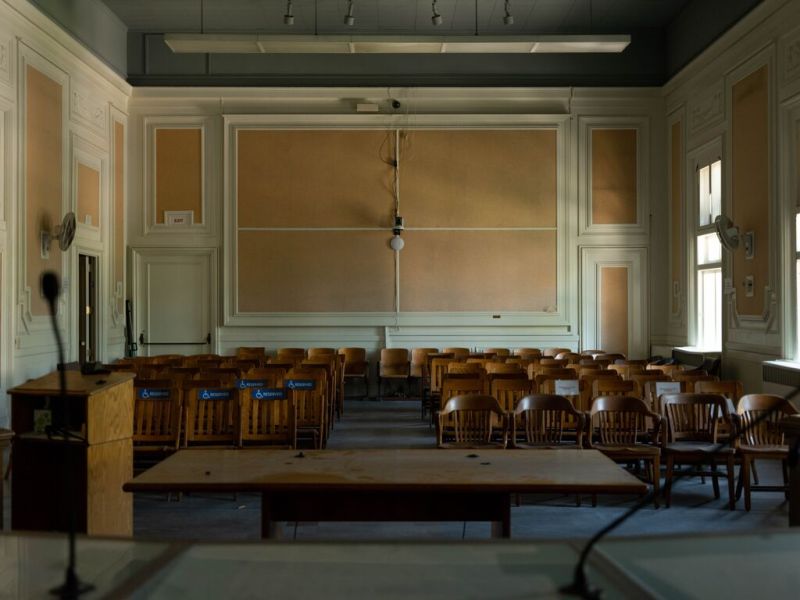
Berkeley voters to decide on sales tax hike, $300M infrastructure bond
June 17, 2026June 17, 2026, 12:28 p.m.
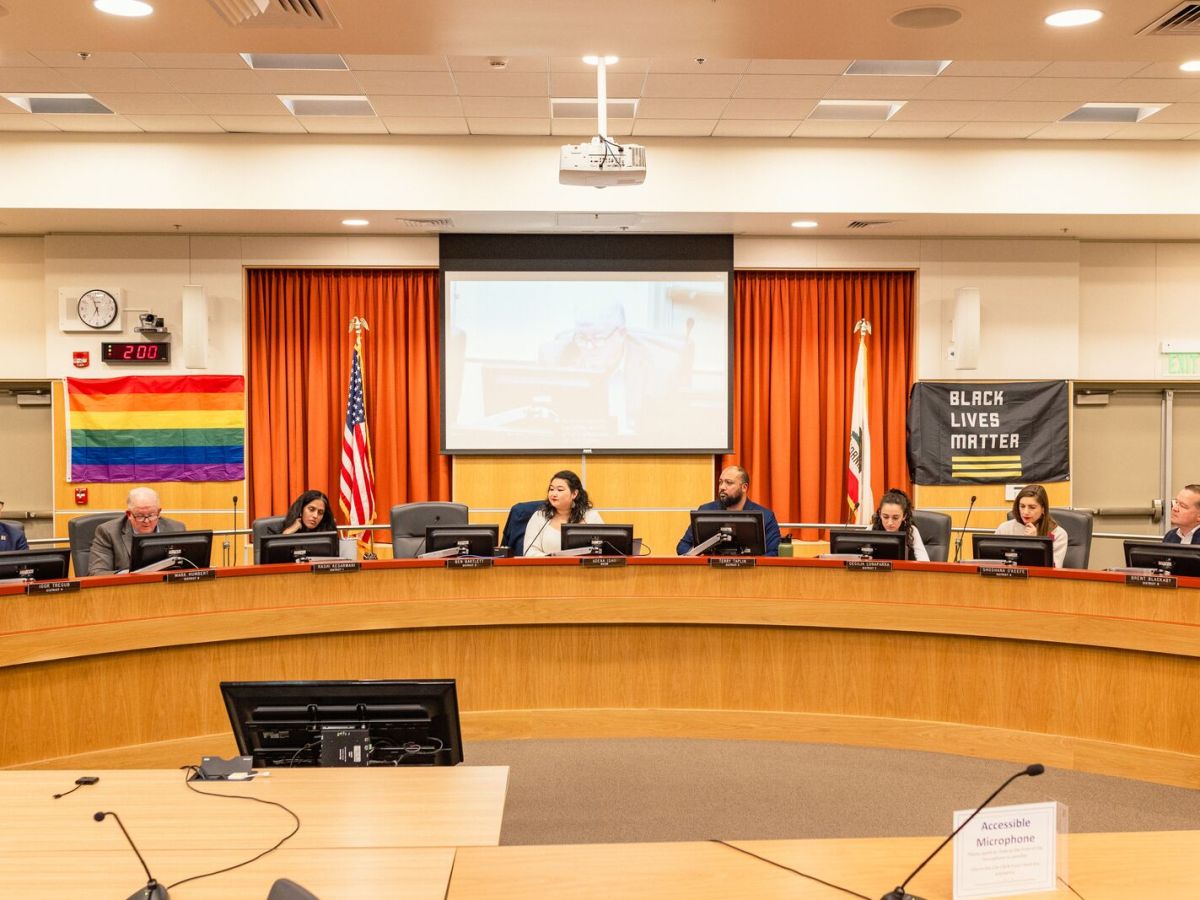
Berkeley’s budget plan includes ‘really tough’ cuts, but City Council signals support
May 20, 2026May 20, 2026, 9:24 p.m.
“*” indicates required fields