
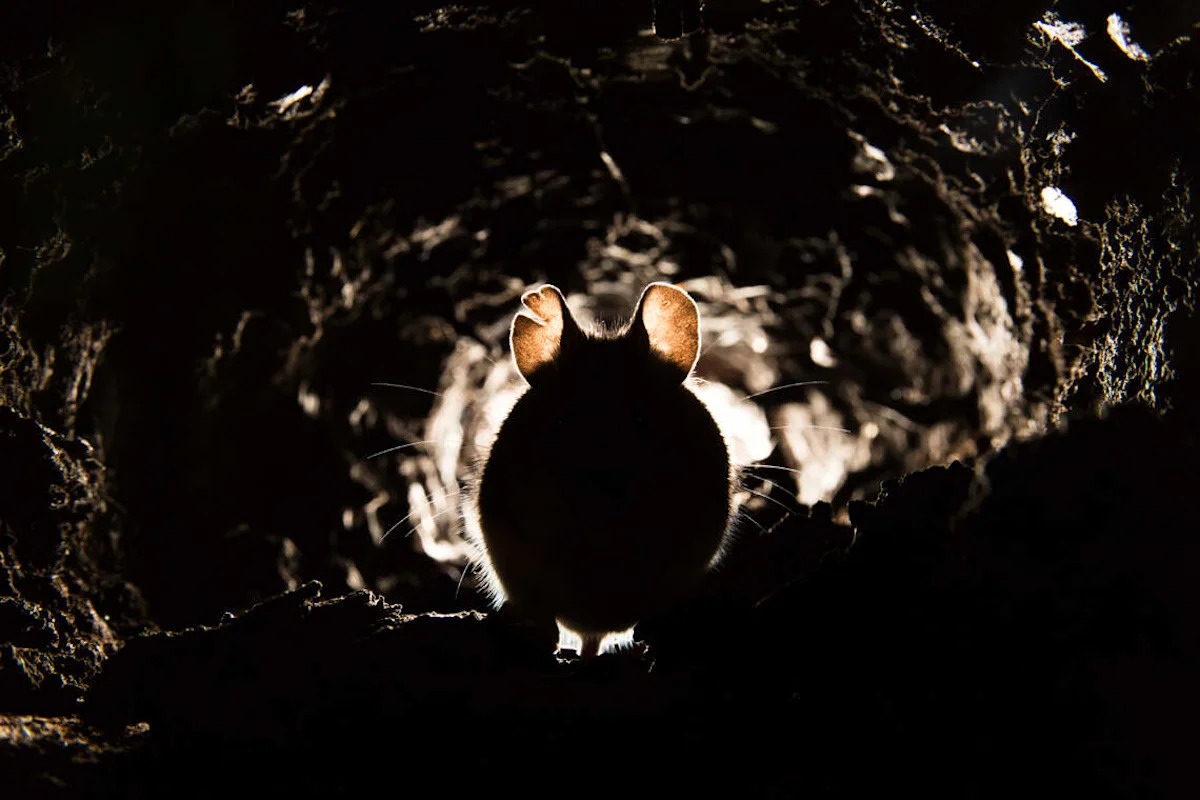
If you ever walked somewhere in the evening or night for a quick drink or to grab a bite and thought you spied an animal with a rope-like tail scurrying away, or thought you heard scratching noises coming from inside the walls of your home, it probably wasn’t your imagination.
That’s because Sacramento has been ranked among the top cities with the most rodent activity.
The extermination company Terminix ranked 50 cities in the United States with the worst rodent infestations and Sacramento is on the list.
Here’s what to know:
How was the ranking determined?
Terminix used data from over 300 branches nationwide and compiled a list of cities where residents most frequently used rodent control services over the past year.
Where did Sacramento rank?
Sacramento was listed among the top 20 of the most rat-infested cities in the country landing at No. 15.
Previous reporting by The Bee in 2024, showed Sacramento ranked at No. 20 for rat-infested cities, according to a report released by Orkin that same year.
What do the findings mean and how can I prevent rodents in my home?
People are advised to watch for signs of rodent activity including droppings, gnaw marks, scratching or scurrying sounds and rub marks along baseboards or around entry points.
In addition to be destructive, rodents can carry diseases and pose a public health risk.
Here are some tips from Terminix to keeping rodents out of your home or business:
Use durable materials to seal possible entry points, such as cracks and openings around doors, windows, and foundations
Store food in airtight containers
Keep your living spaces clean, promptly removing crumbs and food residues
Regularly dispose of garbage in tightly sealed bins to minimize food sources
Organize cluttered storage areas to limit potential nesting sites for mice
Which cities made the top 10?
Here are the top 10 most rat-infested cities in the nation:
Why are rats drawn to cities?
There are three major factors that attract rats and mice to a city:
Although rodents are not limited to large cities, they do generate significant amounts of food waste, while dumpsters, alleys, parks and other urban spaces give rodents easy access to food.