

It seemed hard to imagine that the already dysfunctional Oakland school district could get any worse. But then the teachers’ union effectively took control of the board.
The result since the 2024 election has been chaos.
The new board majority quickly pushed through a cap on outside contracts, only to reverse course after it became clear that after-school programs would be drastically impacted.
Then, without knowing whether the district could afford it, the board approved a $108 million, three-year pay raise for teachers. That came just as the board was eliminating more than 400 jobs.
The chaos needs to end. With district finances still teetering, Oakland deserves school board members who will act transparently in the best interest of the community, not at the behest of one special interest.
That’s why voters in the Nov. 3 election should choose Arielle Fleisher in District 2, Kathryn Camp in District 4 and Alexandra Williams in District 6.
Ironically, the chaos reigns even after the district finally emerged from 22 years of state fiscal oversight. This should be a time to stabilize finances and address the chronically poor language and math test results in a district where 81% of students are socioeconomically disadvantaged and 30% are English learners.
Instead, the district’s well-regarded superintendent was forced out early with little explanation. Essential planning for school consolidations stalled. And the district continues spending more money than it is bringing in, depleting one-time pandemic-era funding to pay ongoing bills.
Year-end cash balances have dropped from $309 million for 2023-24 to $117 million for the current fiscal year. The district’s credit rating is just one step above “junk” investment status.
In its August analysis, the Fitch rating agency cited the district’s reliance on one-time money for operations, expected significant student enrollment declines that will reduce funding, frequent turnover in key management positions and the district’s ongoing failure to close or consolidate schools.
Indeed, the district is spending at a level it cannot afford. Of the 50 largest districts in California, Oakland ranked fourth in per-pupil spending for fiscal year 2024-25. The district’s class sizes are well below the county and the state averages. And Oakland has too many small, inefficient schools, which is why it has the lowest average enrollment per school of California’s large districts.
Meanwhile, the decisions on the seven-member board are being led by four union-backed trustees: Valerie Bachelor, who worked as lead organizer of the California Federation of Teachers; VanCedric Williams, a member of the board of the California Teachers Association, which indirectly pays his salary; Jennifer Brouhard, who retired after teaching in Oakland and Berkeley schools for 27 years; and Rachel Latta, a nurse midwife with three children.
All four, in endorsement interviews with the teachers’ Oakland Education Association, pledged unequivocally or conditionally to oppose school closures. Opposition to school closures has become a political litmus test for candidates seeking the union’s endorsement.
Two of those four board members are up for reelection in the Nov. 3 election. Voters should replace them.
District 2: Fleisher
A mother of a district first-grader, Fleisher seeks the seat held by Brouhard, who has been a leader of the union-backed board majority.
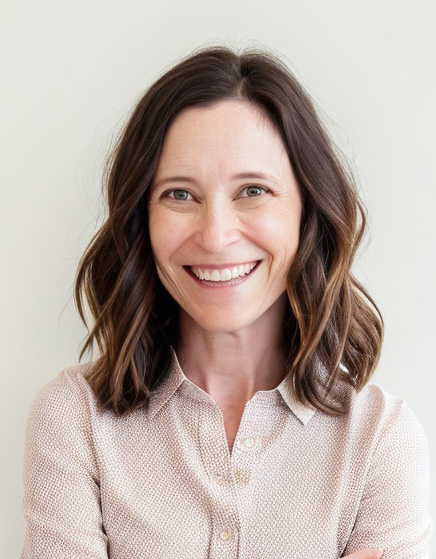 Arielle Fleisher
Fleisher, the only challenger in the race, brings analytical skills desperately needed on the school board. Her education and career as a transportation and health policy planner shape her smart thinking about tradeoffs facing the district.
She attends school board meetings and has provided excellent analysis of the challenges. She recognizes that the district must make cuts in its central offices and outside contracts but she cautions against sweeping approaches that fail to distinguish between critical services and non-essentials that can be jettisoned.
Fleisher is clear that the district has too many schools. The district should consider closures after an honest conversation with the community about the costs and tradeoffs of keeping small facilities open, she says.
District 4: Camp
Camp, a district parent active in the PTA, has tired of the district board dysfunction, which she regards as a distraction from the primary goal — student outcomes.
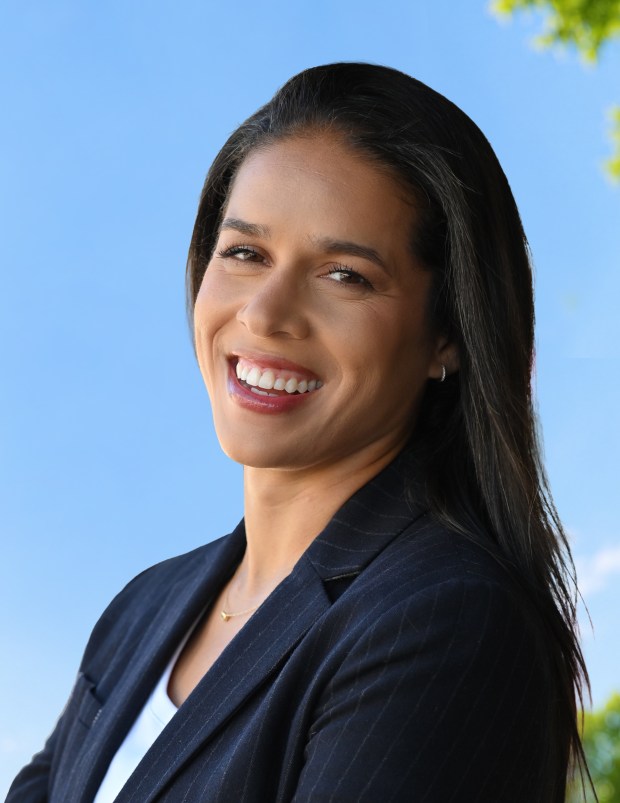 Kathryn Camp
While the district has exited state oversight, there remains no clear plan to stay out, she notes. She brings public policy education and a professional resume that includes team leadership and budget management in financial technology.
She recognizes that all savings options — including school closures — should be on the table.
The incumbent, Mike Hutchinson, has been the only board member willing to publicly call out the misguided direction of the union-led majority — and he has alerted the community when there has been little to no transparency from the board majority.
Twice previously elected, he can be abrasive and difficult to work with, no matter which faction is in control of the board. That said, in the city’s ranked choice voting system, he deserves the number 2 choice.
As for Sylvia Pfeiffer Williams, the third candidate in the race, she has been an educator and union leader in the district. She champions the current union-led school board. Her election would further seal labor’s grip.
District 6: Williams
Williams, a mathematics instructor, has worked in public, private and charter schools as well as directing STEM programs for the Silicon Valley Education Foundation.
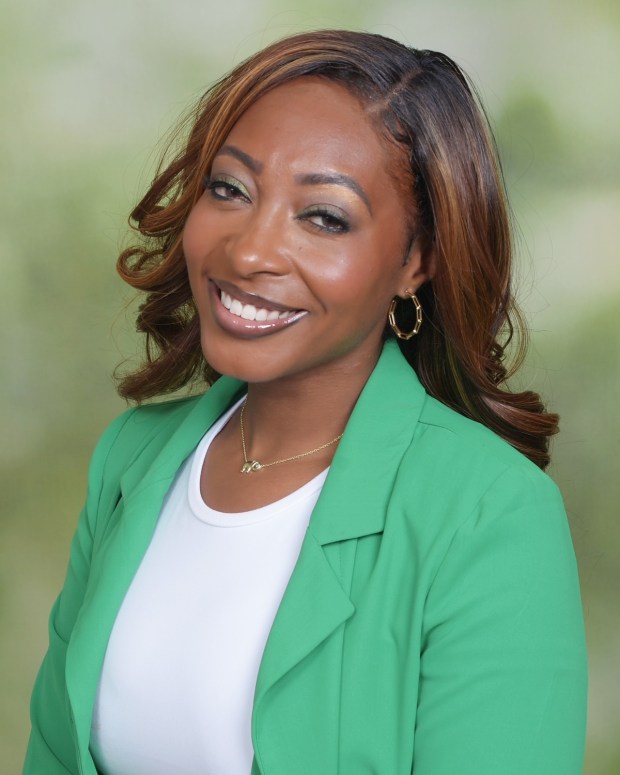 Alexandra Williams
She wants to see better planning and more transparency in the district. As a mathematician, she’s data-focused, whether it’s discussing the district’s budget or school curriculum that improves student outcomes.
She’s one of two candidates who are taking on Bachelor, the incumbent. The other challenger is LeAna Powell, a parent with two kids in the district’s schools, who wants to improve student reading and math, and end the district’s ongoing financial instability. Powell deserves voters’ number 2 pick under the city’s ranked choice system.