
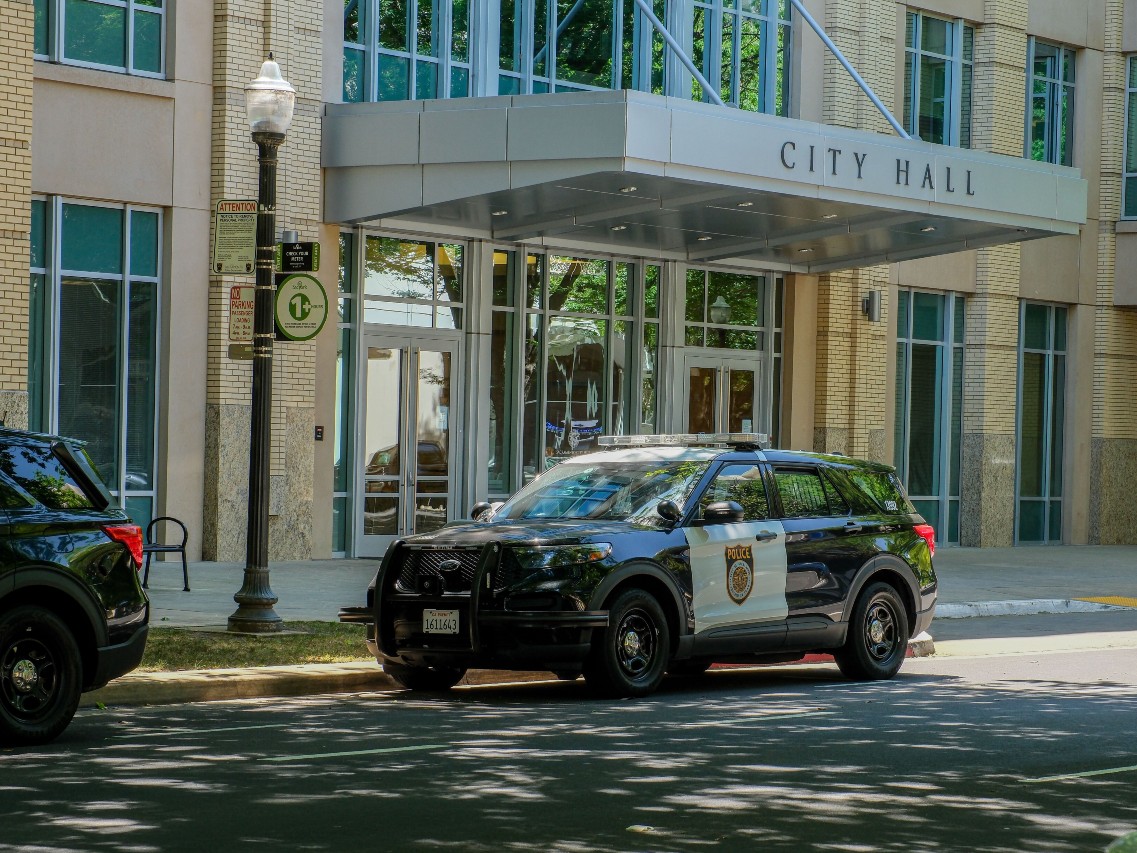
Sacramento police officers are going to see 11% in raises over the next three years after the Sacramento City Council approved them this week.
The raises will apply to officers, sergeants, dispatchers, community service officers and city park rangers. They come as the police department continues to struggle with retention and recruitment.
Councilmember Roger Dickinson is the chair of the city’s Budget and Audit Committee. He said the raises help keep Sacramento competitive with surrounding cities and paying more avoids overtime.
“If we can get close to parity, then we can do better at recruiting and retaining officers, then that actually will be cheaper then what we’re going through now,” Dickinson said.
Salaries for police officers went up by 3.5% after negotiations in April. Next year they will go up the same amount, followed by a 4% increase in 2028. The deal also includes increased health benefits and longevity incentives for those that have been with the force for over 10 years.
City spokesperson Jennifer Singer told CapRadio police raises were budgeted for in this current fiscal year. The agreement cost the city about $7 million and by the 2029 fiscal year, the cost of the raises will be about $19 million.
The city will also have to contend with a $68 million projected structural deficit by that time. Singer said they are aware of the challenges ahead.
“We will continue to evaluate our financial outlook through the annual budget process, with a focus on protecting the city’s long-term fiscal health and maintaining essential services for Sacramento residents,” Singer said.
A department in crisis
Police union representatives believe that the raises are essential to retaining officers in the department, which has been understaffed for over 10 years.
Sacramento Police Officer Association President Dustin Smith said that in 2007, the city had about 800 officers. By early next year, things are looking more dire.
“We’re gonna be down to 600 police officers here in the near future,” Smith said. “In a city the size of Sacramento, we should have no fewer than 1,050 police officers.”
Smith said this latest contract allows them to “tread water” and while they’ll be able to keep up with inflation, the pay still isn’t as high as other competing police departments in the area.
Base pay for police officers in the city ranges from about $89,000 to $120,000.
“We have the highest workload,” he said. “If you look at it, you’re asking people to go work harder in a more dangerous environment with a less supportive community for less money.”
Smith noted that the city does not have a narcotics division, which is unusual for a city of Sacramento’s size.
“These are the types of things we end up sacrificing when we don’t have the bodies or the ability to help,” Smith said.
When it comes to the city’s budget problems, Smith doesn’t think police spending is to blame.
“If they balance their budget properly, there’s more than enough money to pay all of their employees properly.”
Some do not see raises as essential to public safety
Though the staffing crisis is real, some community advocates don’t think that paying police officers more will make the city safer.
Kenneth Andrews is the program director with Movement for Life, an organization dedicated to reducing gun violence. Andrews doesn’t think it’s responsible to make budget cuts and then provide raises at the same time.
“If over the last five years you haven’t had the numbers of officers that you wanted, why would we need to give you more money and you’re not hiring more people?” Andrews asked. “Are you using them on overtime? Are you buying cool gadgets for the police force? What’s going on?”
Andrews thinks that the 11% over three years could go towards community violence prevention programming.
“I deal with high-risk individuals on a daily basis so I know intimately what this work does and what the police cannot provide,” Andrews said. “I would like to see them be more considerate of lives that are at stake than they are over possibly losing officers to other cities.”
He noted that the city divested from organizations like Advance Peace, which brought the juvenile crime rate to 0 from 2017 to 2019. Andrews said raises keep up the status quo that ignores evidence-based approaches to public safety.
“ I would argue that if you invest in the people in the city, then you wouldn’t need an armored tank,” he said. “You’d have a better class of city. A better class of people. We need to explore that.”
CapRadio provides a trusted source of news because of you. As a nonprofit organization, donations from people like you sustain the journalism that allows us to discover stories that are important to our audience. If you believe in what we do and support our mission, please donate today.