
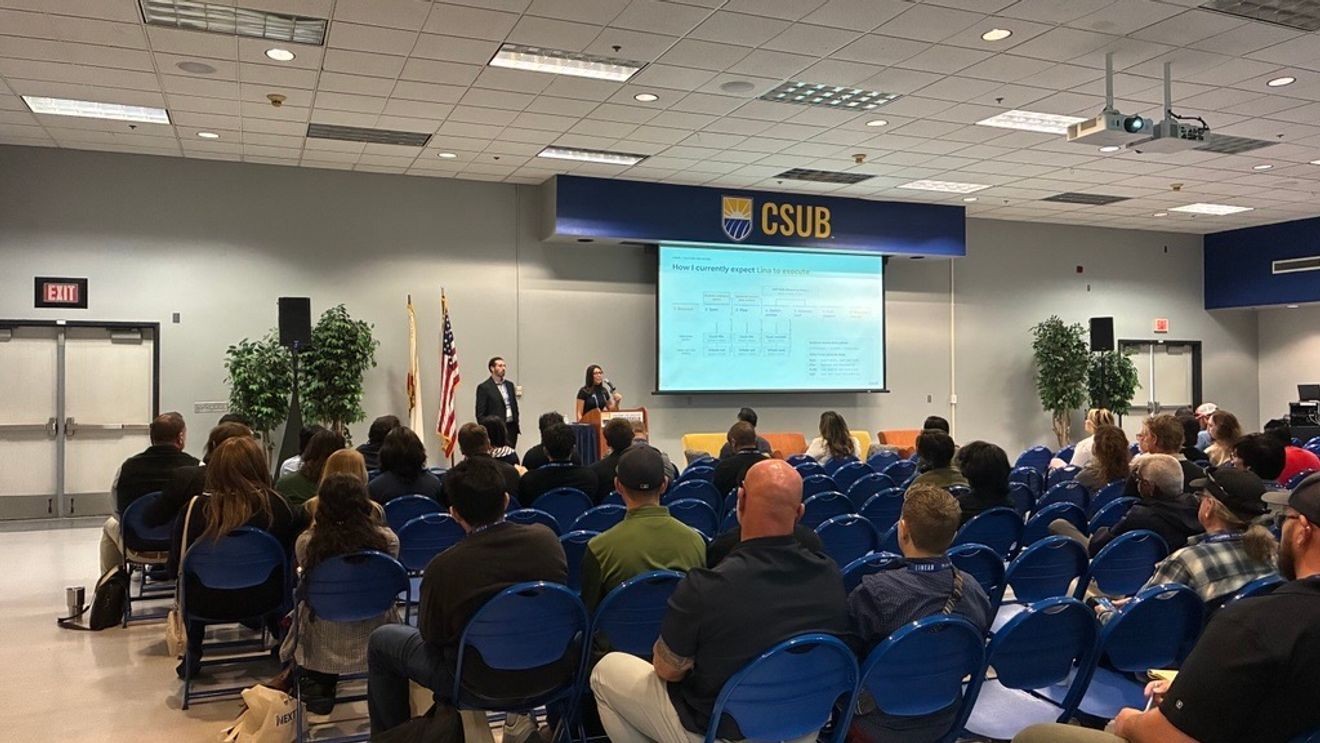
CSUB is putting artificial intelligence into the hands of students in new ways as the university looks to prepare graduates for a workforce where AI skills are becoming increasingly common.
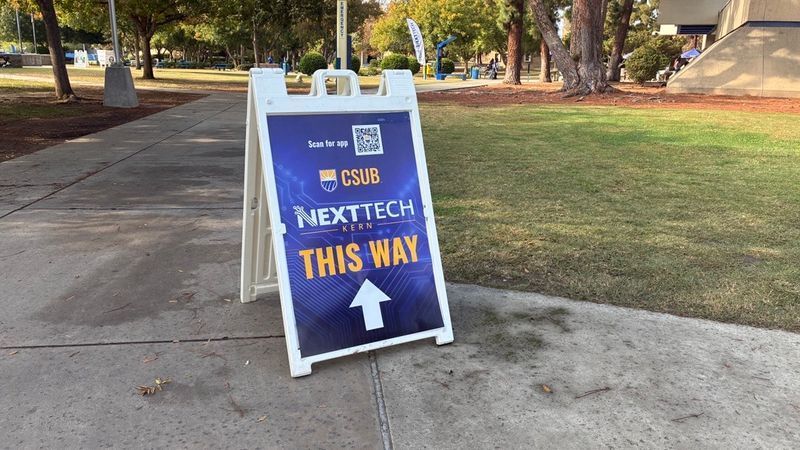
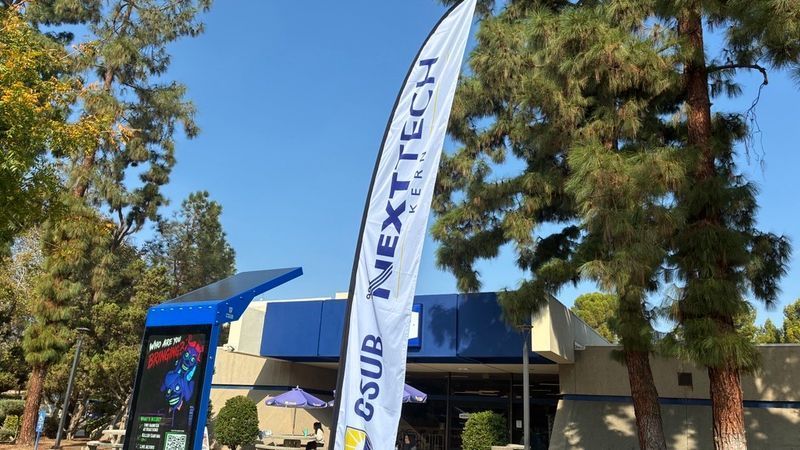
That effort was on display during Wednesday’s NextTech Kern conference, which brought together students, faculty, employers and technology leaders for discussions on AI, cybersecurity, data, cloud computing and other emerging fields.
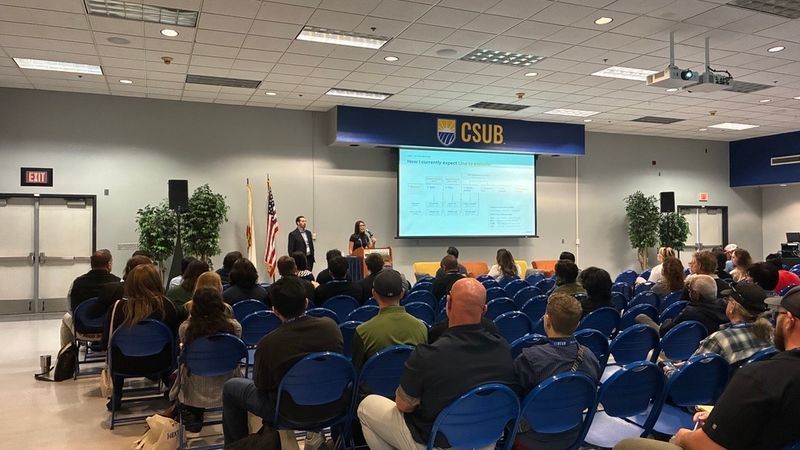
One of the tools highlighted at the conference was Rio, short for Roadrunner Intelligent Operator. The AI-powered system was developed with help from CSUB students and is designed to answer common campus questions using information approved by university departments.
Christian Schmiedel, Rio’s technical implementation fellow, said the system is built to avoid making up answers.
“Whatever Rio is telling you is a certified correct answer. It’s not gonna guess. And if it doesn’t know the answer, it will direct you to the people who know the answer,” Schmiedel said.
For Schmiedel, helping develop Rio also created hands-on experience that could influence his own career path. He said the project introduced him to work in AI engineering and gave him experience with both the technical and human sides of building an AI system.
CSUB leaders say projects like Rio are part of a broader push to make sure students understand how to work with AI before they enter the job market.
Dr. Chris Diniz, CSUB associate vice president and chief information officer, said many employers are beginning to expect at least a basic understanding of AI from entry-level applicants.
“If you don’t have that, there’s going to be a gap for you because a lot of employers for entry-level jobs are expecting some basic understanding of AI,” Diniz said.
Faculty members are also working to incorporate AI into coursework without allowing it to replace students’ own thinking.
Dr. Michael Ault, a political science professor at CSUB, said he designed a class around using AI as a support tool rather than letting it take over the work.
“I designed an entire class around the idea of using AI as a lane assist as opposed to a Waymo… The idea being that instead of students just simply getting in a car and the car driving itself, they’re still with their hands on the wheel in control,” Ault said.
Ault said that approach also places an emphasis on verification, critical thinking and making sure students remain responsible for the information they use.
The university says the goal is not simply to teach students how to use AI, but to give them experience applying it in ways that could translate directly to future jobs.
NextTech Kern also featured sessions focused on workforce development, practical AI, infrastructure, cybersecurity and other technology-related topics.