
I toured UC Berkeley’s campus for the first time last spring, full of wide-eyed curiosity as I surrounded myself with the infamous crowds of Cal Day. I immersed myself in the chatter of prospective students and their families milling about, everyone taking in the wide expanse of land I’ve come to regard as my home. I remember craning my head at the towering buildings alongside my father, trying to picture what a life here would look like.
We walked around in the late afternoon, the bright April sun casting shadows across the concrete; my shirt began to cling uncomfortably to my back, a direct consequence of the relentless heat that caused my surroundings to blur together. It was to my immense relief that we eventually reached California Hall, where our tour guide — who was remarkably energetic for such conditions — concluded the tour with the following words that I have heard continuously since my arrival here, at this point synonymous with the term Berkeley itself.
“Berkeley is a political campus.”
These words were not unfamiliar to me. When I showed my friends my acceptance letter for the first time, with all of us crowded around my beat-up laptop and digital confetti falling as we hit refresh again and again, all they could do was mention how lucky I was. Berkeley was so political, they said, it was so fitting I would end up here.
And Berkeley’s reputation, I have come to learn, does precede it. Today, if you spend enough time wandering around Sproul Plaza, you will undeniably encounter a form of protest; whether it be a table, someone attempting to hand you a flyer for their organization or even a group of students gathered together — everyone seems to be fighting for a cause they’ve dedicated themselves to.
It’s difficult to imagine Berkeley being any different. But 62 years ago, students had to fight for their right to protest and organize on campus; the very freedom that defines Berkeley’s culture today. Every day, we step over the premises that a grassroots movement arose from, too busy trying to complete our laundry list of tasks to notice.
This autumn, decades after the movement first emerged, we should all take a moment to acknowledge the grounds beneath the protest.
Sproul Plaza
On Oct. 1, 1964, former student Jack Weinberg was arrested for violating the campuswide restrictions on protests and tabling. Students immediately surrounded the police car detaining Weinberg, forming a barrier and blocking the car from leaving campus. The blockade lasted for 32 hours, during which students would climb atop the vehicle — and, out of respect for city property, take their shoes off — to address the crowd, leading to the formation of a movement now known as the Free Speech Movement at UC Berkeley.
Today, near the entrance of Upper Sproul Plaza, lies a 6-foot-wide circular granite ring, inscribed with the words, “This soil and the air space extending above it shall not be a part of any nation and shall not be subject to any entity’s jurisdiction.” The idea behind this monument — known as the Free Speech Monument, or alternatively the Column of Earth and Air — was to create an invisible column stretching infinitely towards the sky, where those within its boundaries would be free from any government interference; thus, symbolically protecting freedom of speech and expression. If you ever find yourself near Upper Sproul Plaza, my advice is to take a minute, find the ring on the ground and bask in the infinite legacy of the Free Speech Movement.
Sproul Hall
Overlooking the cognominal Sproul Plaza and located south of Sather Gate, Sproul Hall is one of the most significant locations on campus for the Free Speech Movement. This neoclassical structure is where many students historically gathered to protest in support of the movement, most notably occurring on Dec. 2, 1964.
Mario Savio — the primary leader for the movement — addressed a crowd of more than 6,000 students that day. Following his speech, more than 1,500 attendees entered the hall and occupied it as a form of nonviolent protest. At 3 a.m. the next morning, police officers entered Sproul Hall and issued more than 800 student arrests during the following 12 hours; this response sparked deep indignation amongst the student body and led to the beginnings of faculty support.
Today, the flight of stairs leading towards the entrance of Sproul Hall is now suitably named in honor of Savio, who — similar to that of Dec. 2 — frequently protested and spoke on behalf of the movement on those very steps.
Hearst Greek Theatre
Best known among the student body for flooding the night air with the melodic sound of music, with food vendors lining the streets on concert nights to sell their concessions after an eventful evening spent listening to talented artists perform, the Hearst Greek Theatre has always been a central part of the Berkeley community. What many may not be aware of, however, is that deep within its walls lie connections to the Free Speech Movement.
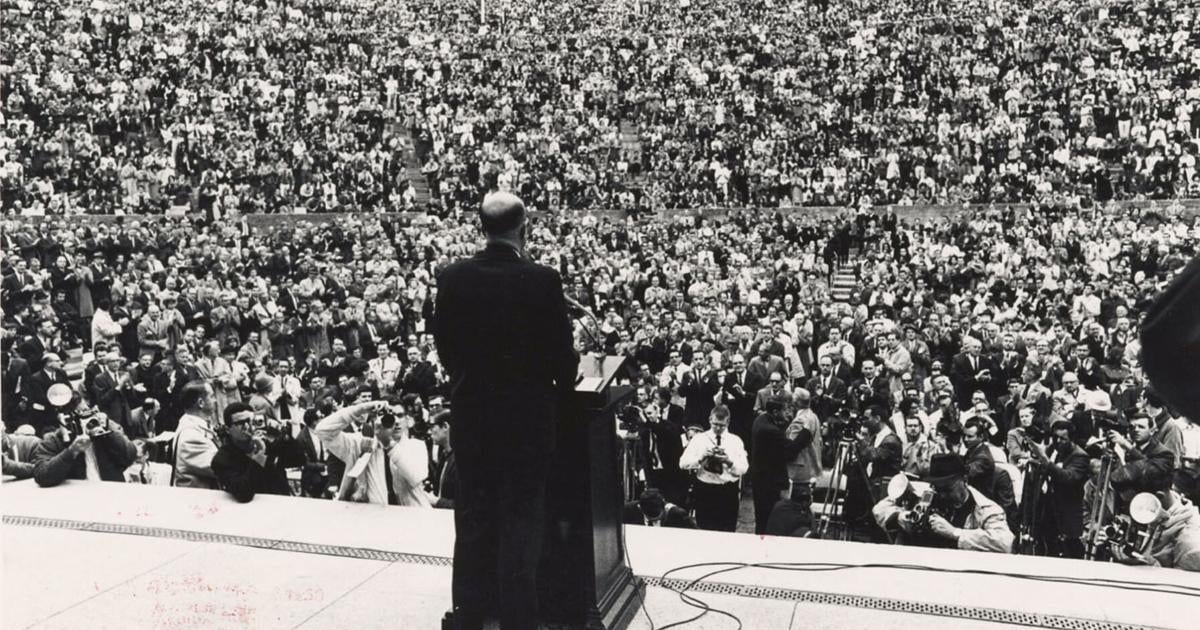
On Dec. 7, 1964, UC President Clark Kerr — whom many students may recognize as the namesake of the Clark Kerr Campus — was set to formally address a crowd composed of more than 16,000 students and faculty members in a planned convocation. Following Clark Kerr’s speech at the Greek, in which he introduced a drafted proposal for the conflict on campus, Mario Savio attempted to take the stage and was then forcibly removed by on-site police officers. Outraged, the student body demanded that Savio be allowed to speak, and administrators briefly permitted Savio to address the audience; this incident prompted more than 10,000 students to gather at Sproul Plaza later that day to reject President Kerr’s proposal and continue their protests.
Today, no physical memorabilia commemorates the Free Speech Movement at the Greek Theatre. But the next time you find yourself listening to the music deeply reverberating through the ground, remember that the roots of the movement are still deeply embedded in the theater’s concrete structures.
Wheeler Hall
I distinctly remember the first time I entered the towering wooden doors of Wheeler Hall, frantically rushing through them in a hasty attempt to locate my classroom before the end of Berkeley Time. Even though a map stood directly in front of me, I still found myself getting lost in the winding hallways and unfortunately arrived late to class.
However often I have regaled others with the tales of my lecture hall mishaps, Wheeler Hall’s legacy extends beyond just a building full of classrooms. On Dec. 8, 1964, the Berkeley Division of the University of California Academic Senate met to draft a resolution addressing growing tensions between faculty and students due to the Free Speech Movement. By a vote of 824 to 115, the Senate notably decided that UC Berkeley may regulate the “time, place, and manner” of political activity on campus, but had no jurisdiction over the “content” of political speech. While continued discussions and calls for change followed in the coming months, the resolution passed was celebrated as a major victory for the student body; Wheeler Hall has served, and will continue to serve, as an important landmark in the movement that ultimately brought forth resolution.
Whenever you find yourself at Sproul Plaza next, and are undoubtedly met with the sight of a paper flyer headed your way, remember all those that stood on the very same ground before you — those who dedicated their time, lives and education to ensuring you had the freedom to express yourself politically.