
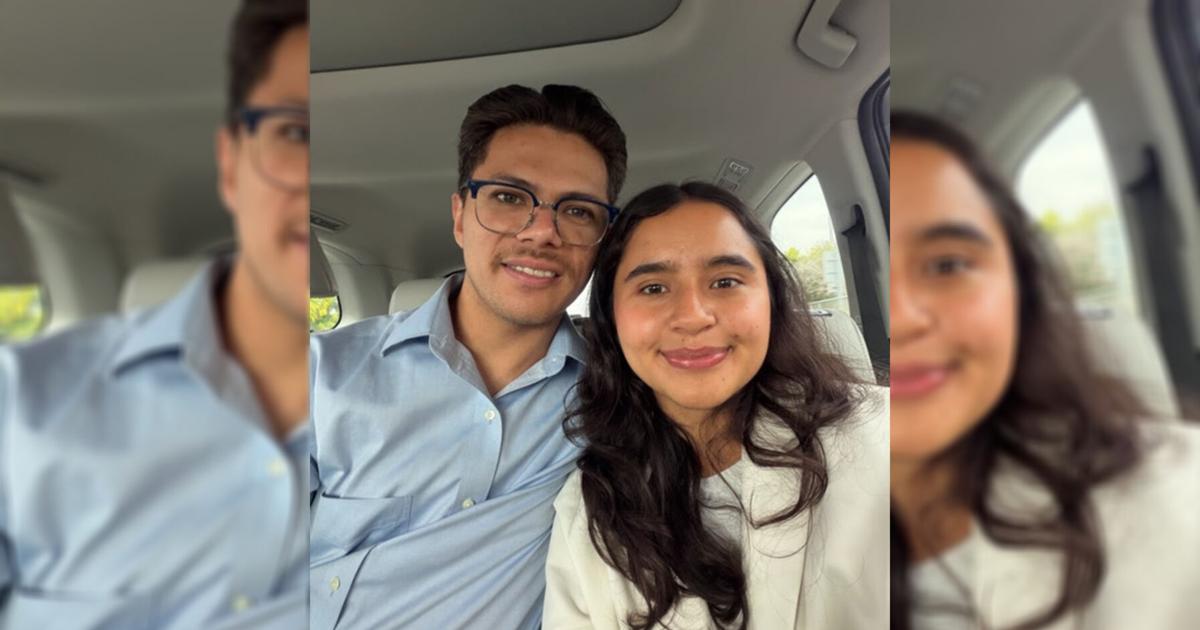
After more than a week of the student’s detention, a federal judge has ordered immigration officials to immediately release UC Berkeley student Paula Valentina Albornoz Hernandez.
U.S. District Judge Dena Coggins ruled that U.S. Immigration and Customs Enforcement violated Albornoz Hernandez’s right to due process, granting her a habeas corpus petition and a temporary restraining order. ICE agents detained Albornoz Hernandez at San Francisco International Airport on Oct. 30 while she was waiting to board a flight with her boyfriend.
Coggins ruled that noncitizens who overstay their visa and are “not detained within a reasonable time” after their visas expire gain a protected liberty interest, meaning immigration enforcement agencies must first notify them before they are detained.
Albornoz Hernandez transferred to UC Berkeley from San Jose City College this year to study business administration and entered the United States from Colombia with a valid visa in September 2022. Her attorney, Niko De Bremaeker, told The Daily Californian that she has a pending asylum case after facing gender-based violence.
The order temporarily bars immigration officials from electronically monitoring Albornoz Hernandez and requires seven days’ notice and a bond hearing before she is re-detained. ICE must notify the court within three days confirming Alborboz Hernandez’s release.
“We’re relieved and overjoyed to share that, this morning, a federal judge ordered the release of our student,” UC Berkeley Chancellor Rich Lyons said in a campuswide email. Lyons thanked Albornoz Hernandez’s attorneys, elected officials and other campus leaders for working for her release. “This is a moment to remember what’s possible when our community comes together to support one of our own.”
Albornoz Hernandez has been held at the largest ICE detention center in the state, the California City Detention Center in the Mojave Desert.
Following her detention, nearly 300 students protested on Sproul Plaza on Wednesday to call for her release.
“It’s an atrocious facility,” De Bremaeker said in an interview with the Daily Cal on Wednesday. “I’ve been there several times. It’s not where human beings should be. It’s in the middle of the desert. The facilities are horrendous. There’s wholly insufficient medical care. Food is incredibly problematic. Human beings should not be there.”
This is a developing story; check back for updates.