
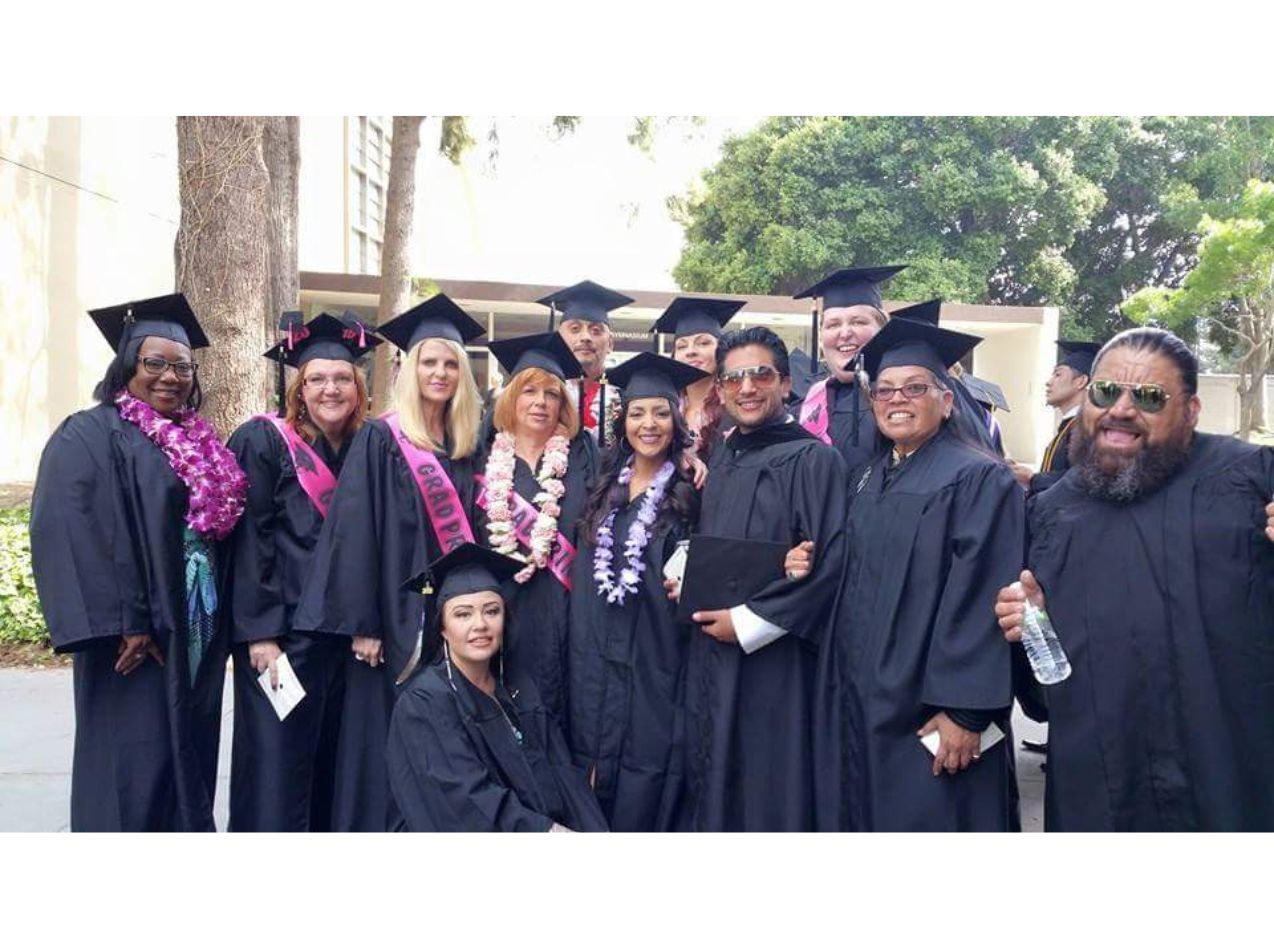
A proposal for the first BS program in Alcohol and Drug Studies is currently in limbo in Santa Clara County.
The meeting for the program’s proposal will be held on Thursday, Nov. 13.
According to Mary Cook, professor and program lead of the ADS program at San Jose City College, the issue of drug and alcohol understanding is particularly important in the Silicon Valley region.
SPONSORED

SPONSORED

“We’re still battling the opioid crisis, particularly with fentanyl,” she said. “In fact, in 2022, the Board of Supervisors declared a substance abuse and mental health crisis in Silicon Valley. So this is considered a crisis area.”
Despite widespread support from faculty, county leaders, and local treatment providers, there is also hesitancy from the college itself.
“I don’t think the hesitancy is the actual proposal,” said Cook. “I just think it is hard for them to move forward sometimes.”
What is needed to get the proposal moving is more publicity, she said.
“Some publicity will help encourage them to just go ahead and go over the line,” Cook explained.
The BS program will fill a longtime gap in the field of drug abuse treatment, according to Cook.
“Right now, people can either get an associate or they have to go all the way up to a master’s,” she explained. “What people in my field have never had the opportunity to do is to get a bachelor’s-level degree with a focus on program management and leadership.”
The success of the proposal will have longstanding benefits not only for patients but also for the professional workforce.
“If they are able to do this, the treatment programs have agreed to increase their salaries,” Cook said. “It’s an upwardly mobile opportunity for people who, historically, had economic and socioeconomic disadvantages.
“Some of them have had histories of addiction themselves, and so this opportunity for them allows them to move into another level of achievement that has never been afforded them before.
“The goal of this is to make them program managers, clinical leaders.
“This is an incredibly important opportunity for them,” Cook continued.
Leandra Canion is an employee at Pathway Society, an organization providing substance abuse and counseling services to adults and families suffering from drug abuse. Gary Montrezza is the CEO of the Society. Both support the proposal.
“I had to work very hard to stand out in a field where all of the management positions require a higher degree,” Canion said.
“Gary saw something more in me than I may have seen in myself. He created positions for me within our agency so I could grow professionally and gain more responsibility.
“What took 17 years for me to achieve will take maybe 2–5 years for individuals that graduate from SJCC’s BS program,” she continued.
There is a great demand for qualified clinicians in the region, Canion said.
“Most agencies are short-staffed and the staff they have are working sometimes up to 60 hours per week, putting them at risk for ‘burnout,’” she said. “It’s critical that we increase the number of individuals to work in our field to avoid ‘burnout’ and to also be able to pay them a competitive wage.
“This BS program will attract more individuals to our field because they will be able to earn a fair wage,” Canion continued.
Montrezza is optimistic about the program’s value.
“The BS in Alcohol and Drug Studies provides much needed career options to expand management and leadership opportunities for current and new practitioners; validate addiction studies as a career path to a greater number of students; and solve workforce shortages that require the academic preparation a baccalaureate degree affords,” he said.
“We anticipate that approval of the BS will only enhance the current workforce while building a foundation of enough future treatment professionals trained to address the complexities of modern treatment.”
SPONSORED
