
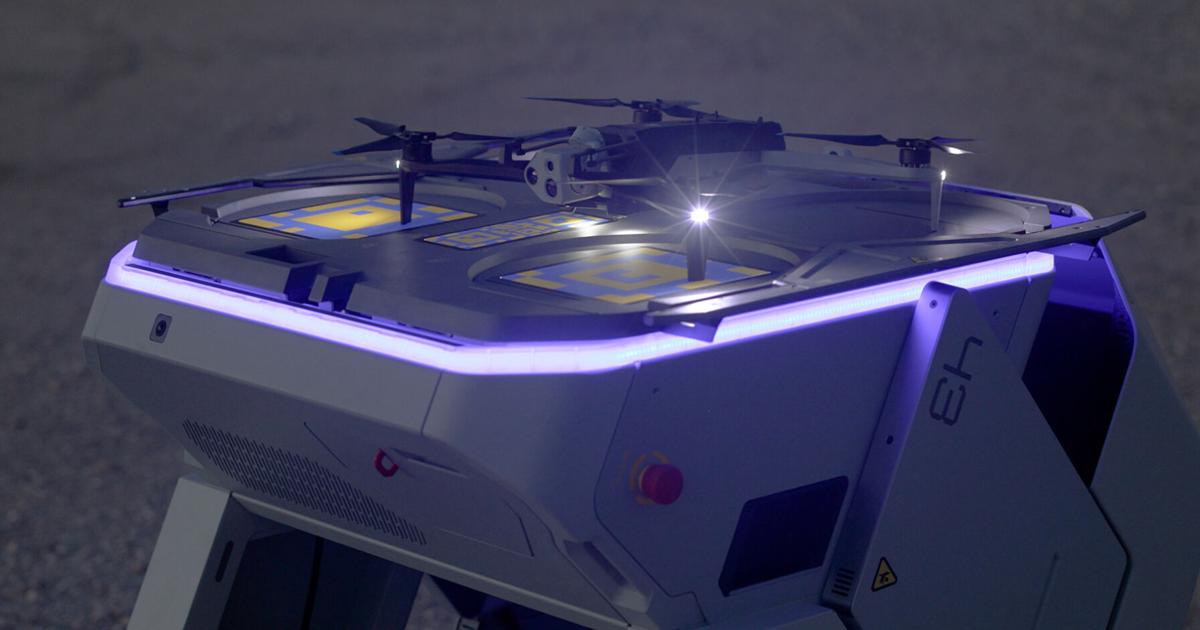
The UC Berkeley Police Department has purchased two Skydio X10 drones, according to a report presented to the UC Board of Regents. The drone can fly at speeds up to 45 miles per hour and possesses thermal cameras that can track people and vehicles, even after they briefly leave view, according to Skydio’s website.
The purchase was made public in UCPD’s annual military equipment report, a mandatory filing that all UC police departments must present to the regents. Skydio’s drones are also used by both the Israel Defense Forces and U.S. Immigration and Customs Enforcement.
Immediately after Hamas’ Oct. 7 attack in 2023, the IDF began emailing Skydio, who then provided more than 100 drones to the IDF in the following three weeks, Skydio executive Mark Valentine told Politico in November 2023.
Skydio and its distributor, Axon, both supply ICE. In fall 2025, ICE made a $514,000 drone purchase which included the Skydio X10D, the “defense” version of the X10. The Skydio X10D is able to detect people from up to 7.5 miles away and accurately identify them from 0.8 miles away.
The X10 connects to Axon’s livestreaming system and automatic evidence upload system. UCPD already stores body camera footage on Axon’s online digital evidence management system, according to the department’s policy manual.
UCPD spent $51,247 in fiscal year 2025-26 on “Two Axon/Skydio X10 unmanned aircraft systems” and rifle ammunition, according to the report.
Campus spokesperson Dee Mostofi said in an email that the drones will be used for “fire response, life-safety emergencies, and urgent calls for service.”
Mostofi wrote that the drones will provide UCPD with “real-time situational awareness” that will help it make informed decisions, de-escalate situations and protect both officers and the community.
“We recognize and respect concerns regarding surveillance and emerging technology on a university campus,” Mostofi said in the email. “This program is dedicated strictly to legitimate public safety emergencies, not for routine surveillance, nor is it deployed to monitor protests or First Amendment activities.”
Mostofi said UCPD is committed to transparency through “its available policies, strict data privacy standards, and annual program evaluation.”
In the 2024 report, UC Berkeley, UCLA, UC Santa Cruz and UCSF all requested to purchase drones. This year’s report says UCPD has yet to receive the drones as “delivery is pending.”
Skydio markets the X10 to campus police as part of its “Drone as First Responder” program. When 911 calls come in, a drone launches automatically and arrives in less than two minutes, according to Skydio. Skydio’s campus page promotes automated drones “to identify risk without staffing every location.”
The Board of Regents compliance and audit committee approved the report as a consent item at Tuesday’s meeting.
UCPD’s policy manual, published Oct. 19, includes a specific drone policy. It states drone operations “should only be conducted during daylight hours” and drones “should not be flown over populated areas without FAA approval.” The policy also forbids drones from being used “to conduct random surveillance activities” or “to harass, intimidate, or discriminate against any individual or group.”
Drone footage is kept according to UCPD’s records retention schedule.
UC Davis, UCLA and UCSF each own three X10 drones; UCLA is currently requesting two more, saying in the report that the drones would “reach over 95% of all priority police, fire, and EMS calls” and help support the 2028 Olympic and Paralympic Games.
Besides the drones, UCPD at Berkeley holds a bomb disposal robot, 24 rifles, 15 40 mm launchers, four FN Herstal 303 launchers and a long-range acoustic device, otherwise known as a sound cannon, according to the report.
UCPD reported no use of its military equipment outside of training, and found no policy violations in an audit. UCPD also “continues to research robot platforms from the 2024 request,” the report says.