
By Russell Stiger
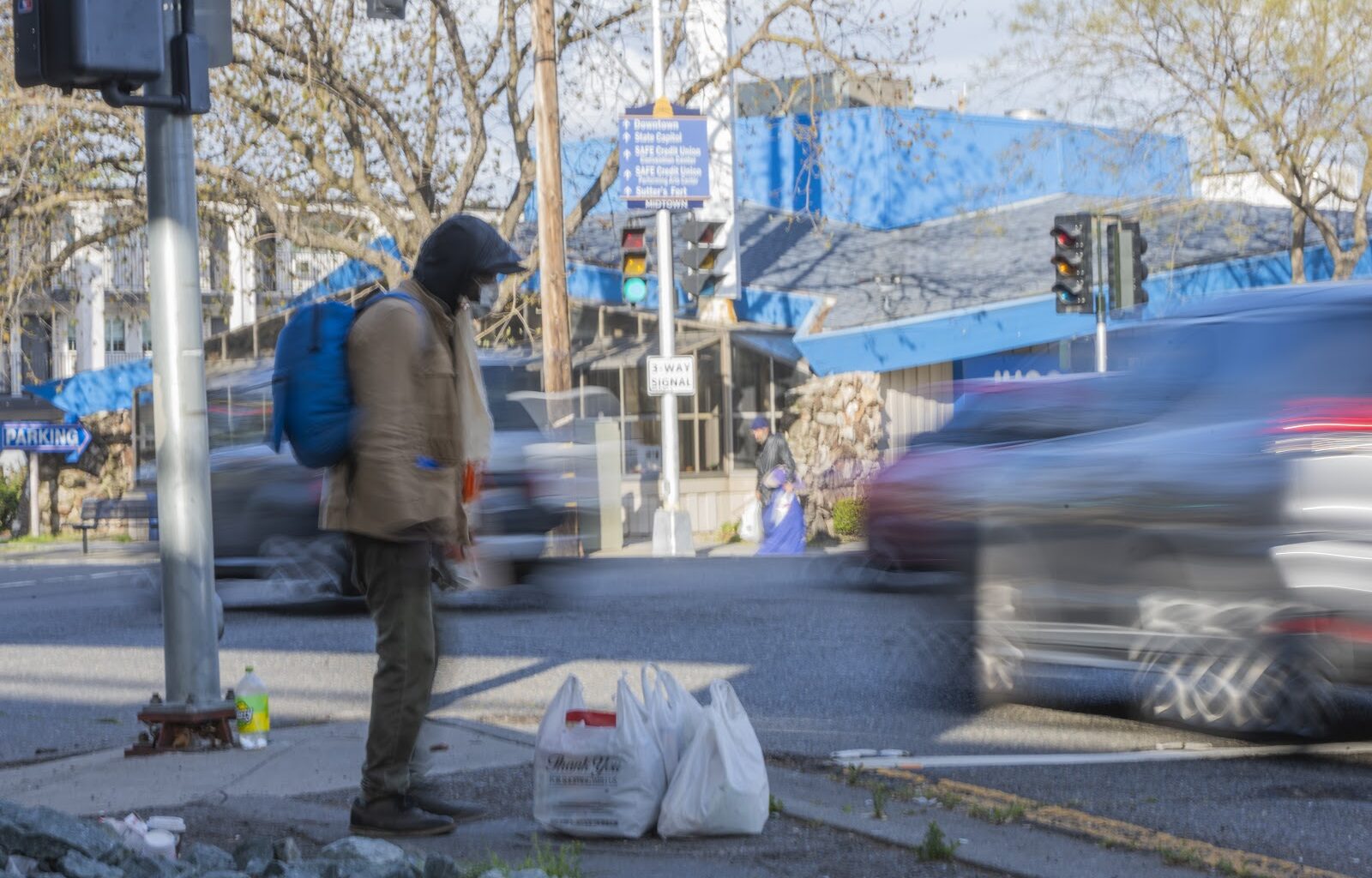
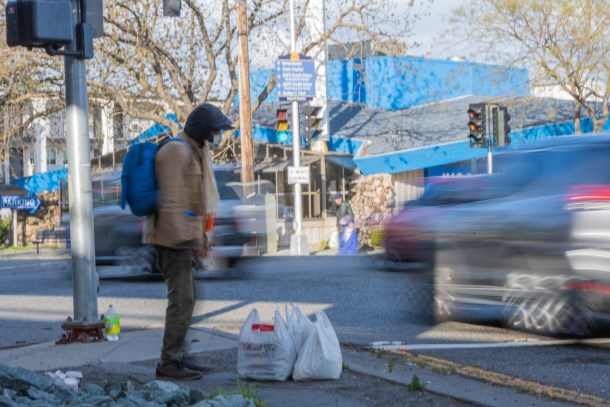 Robert waits with his things off for another red light in hopes to get more money.
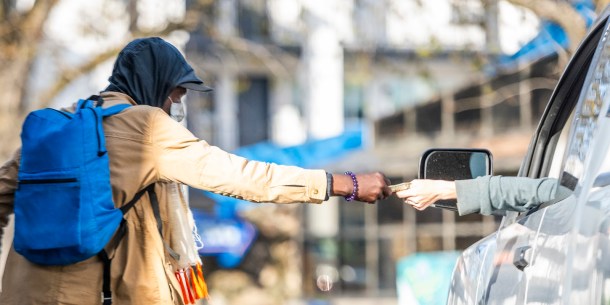 Robert receives money from a civilian while holding a sign on X street by high 99.
We started with this basic question: “Why are Black people disproportionately unhoused in Sacramento?” After reading studies and speaking with people who are currently and formerly unhoused, public officials, community leaders, and educators I realized everyone has their own answer and solution.
I decided to focus on telling the stories of the people impacted with the goal of sparking internal family conversations about things our ancestors fought for such as housing and voting rights.
My takeaways are:
Anything can help.
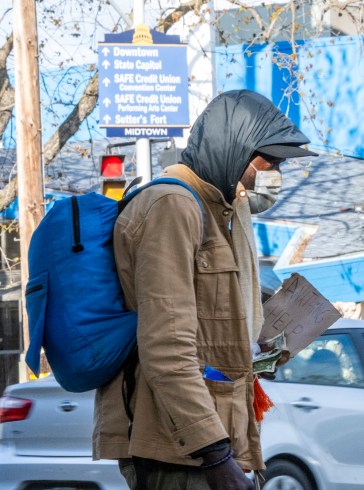 Robert holds a sign on X street by highway 99 waiting for more cars to stop at the red light.
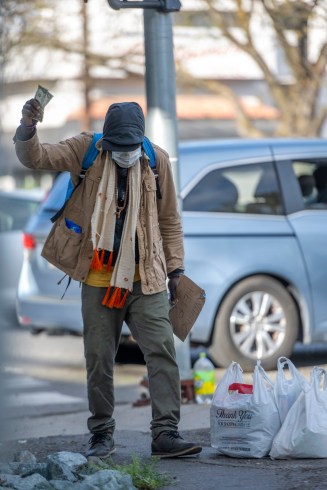 Robert hold up money he receives from a civilian while he was holding a sign on X street by highway 99.
The first person I met was Robert, who describes himself as a Nomad, and does not seek any sense of community. He hustles each day to buy his own meals at different nearby fast food places, along with the weekly trips to Goodwill for new clothes. Robert feels that by having less it makes it easier to move around, as he often wanders through the night.
Sometimes if he finds a place safe enough in the downtown area, he sleeps long enough to rest until it’s time to move around again. When Robert has his sign up asking for change each coin and dollar collected gets him closer to him being able to provide for himself as he looks for housing. Robert was taking care of his mother, who was renting before she passed, leaving him with no place to go that he could afford.
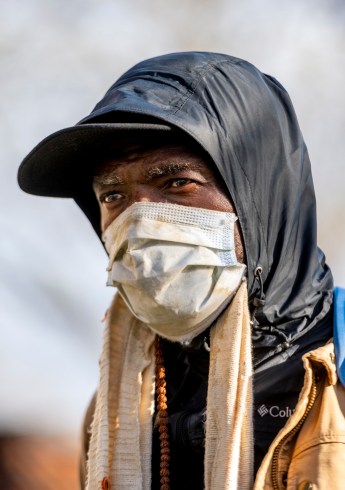 Robert poses for a picture after standing on the corner of X street for four hours.
Pride
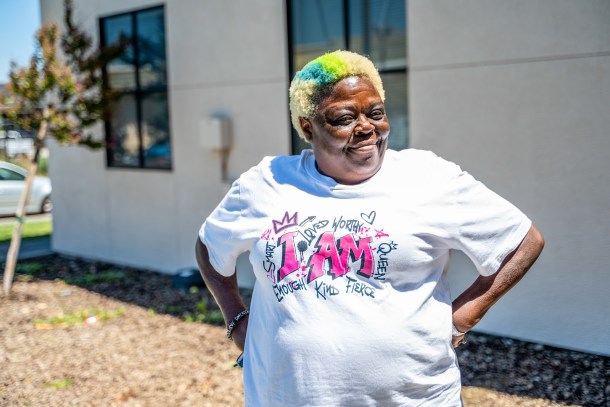 Sapphire Jackson poses for pictures in her screen print shirts “I am” that express her personality, in front of the First Steps shelter on North A street.
 Sapphire Jackson poses for pictures March 15 to show off her personality, in front of the First Steps shelter on North A street.
While everyone goes through different trials and tribulations, it is often easy to lose yourself. Yet Sapphire Jackson, a resident at the First Steps Shelter and seeking permanent housing, still finds ways to express herself. Her blonde hairstyle features a sapphire blue strip, and her seemingly endless collection of screen-print shirts allows her to speak without saying a word.
“My name is Sapphire Jackson, no kin to Michael Jackson darn it!” she jokes.
Jackson’s journey to homelessness began after she lost her job with Sac Self Help Housing when the organization faced a loss of government support due to mismanagement. The subsequent loss of employment quickly led to the loss of her housing.
Now unemployed, her ability to find new work is severely limited by chronic pain. A debilitating back injury, causes pain 24/7 with no pain pills. She cannot sit or stand for long periods and cannot lift more than 15 pounds due to sciatica and lower back pain. She relies on SSDI (Social Security Disability Insurance) and sells cigarettes to make ends meet.
When looking for a place, Jackson faces a devastating reality. Her monthly income is $1223, while local one-bedroom apartments rent for at least $1200. “You see the dilemma,” she says. She fears the prospect of living outside and says that given her health issues, she would consider taking her own life rather than enduring the agony and pain of street homelessness.
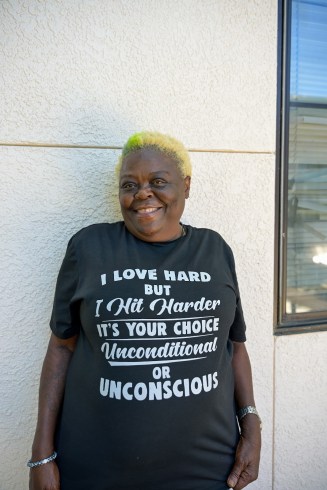 Sapphire Jackson poses for pictures in her multiple screen print shirts that express her personality, in front of the First Steps shelter on North A street.
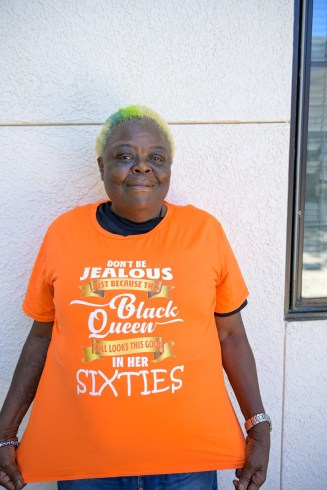 Sapphire Jackson poses for pictures in her multiple screen print shirts that express her personality, in front of the First Steps shelter on North A street.
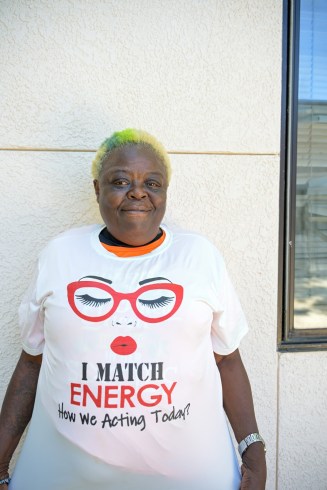 Sapphire Jackson poses for pictures in her multiple screen print shirts that express her personality, in front of the First Steps shelter on North A street.
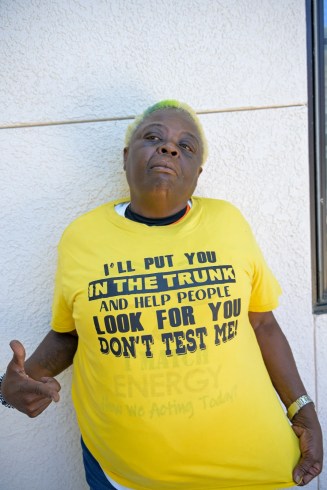 Sapphire Jackson poses for pictures in her multiple screen print shirts that express her personality, in front of the First Steps shelter on North A street.
 Sapphire Jackson poses for pictures in her multiple screen print shirts that express her personality, in front of the First Steps shelter on North A street.
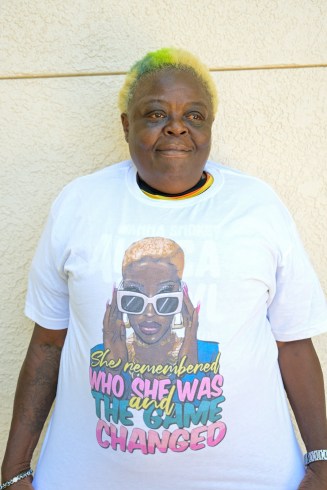 Sapphire Jackson poses for pictures in her multiple screen print shirts that express her personality, in front of the First Steps shelter on North A street.
 Sapphire Jackson poses for pictures in her multiple screen print shirts that express her personality, in front of the First Steps shelter on North A street.
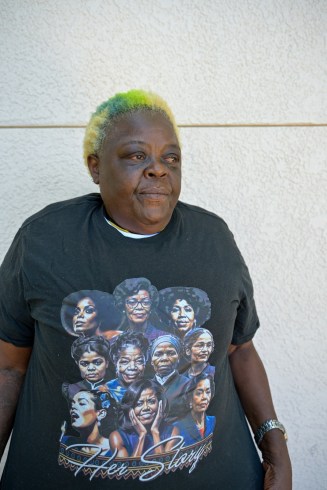 Sapphire Jackson poses for pictures in her multiple screen print shirts that express her personality, in front of the First Steps shelter on North A street.
 Sapphire Jackson poses for pictures in her multiple screen print shirts that express her personality, in front of the First Steps shelter on North A street.
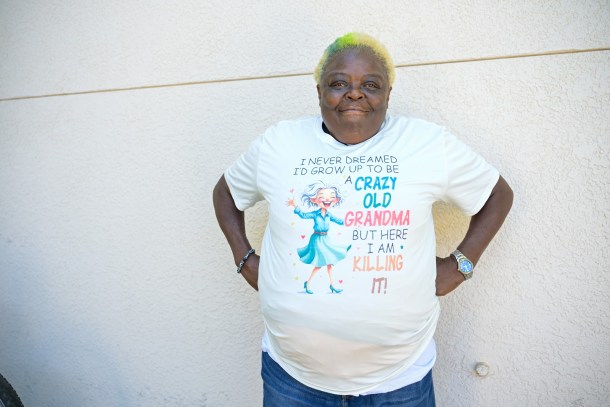 Sapphire Jackson poses for pictures in her multiple screen print shirts that express her personality, in front of the First Steps shelter on North A street.
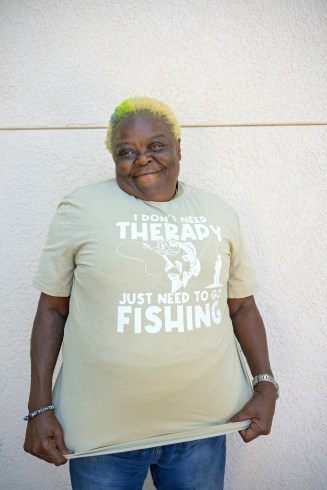 Sapphire Jackson poses for pictures in her multiple screen print shirts that express her personality, in front of the First Steps shelter on North A street.
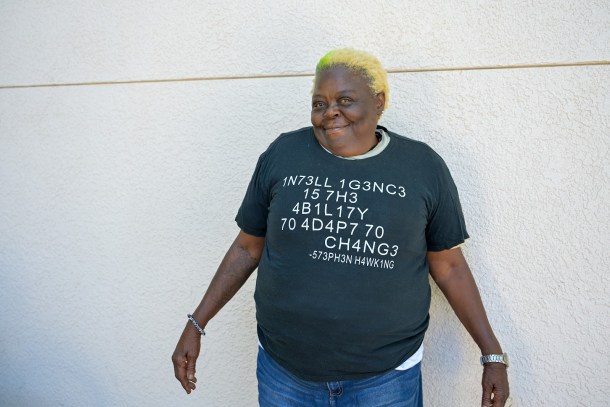 Sapphire Jackson poses for pictures in her multiple screen print shirts that express her personality, in front of the First Steps shelter on North A street.
Innovation comes with survival
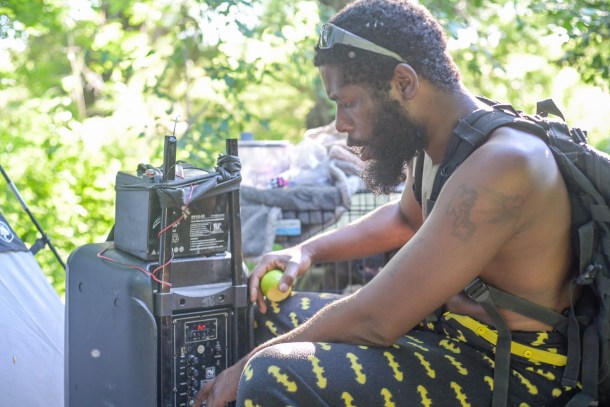 While living outside, Dallas has become known for his ability to fix speakers and improve sound quality.
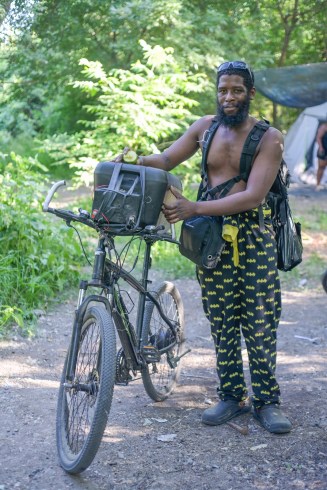 Dallas prepares to go take a speaker on his bike to fix it.
The crisis of Black homelessness demands a multifaceted, long-term approach, as there is no swift or simple fix. Immediate actions are vital including direct aid or supporting grassroots non-profits.
While Sacramento County is developing a new campus that will house those facing housing instability, this alone is insufficient. The spiraling cost of apartment rent underscores the need for sustainable housing solutions. Increasing the availability of homes, particularly during hardships, can provide the buffer against homelessness and a bridge toward more stable and permanent housing. Sacramento needs more affordable housing.
A certain amount of pride comes with ownership and the ability to provide for yourself, even if it’s the tent and space you carve out, the place you rent or lease, the car you just bought, the new outfit you can’t wait to wear. Just building more apartments for people to rent is not the solution. If we can’t prevent people from ending up on the street, what does that mean for future generations?
This blog series was produced as a project
for the USC Annenberg Center for Health
Journalism’s 2025 California Health Equity Fellowship.
Check out the Concrete Roses series. Resources for Unhoused Sacramentans.
Related