
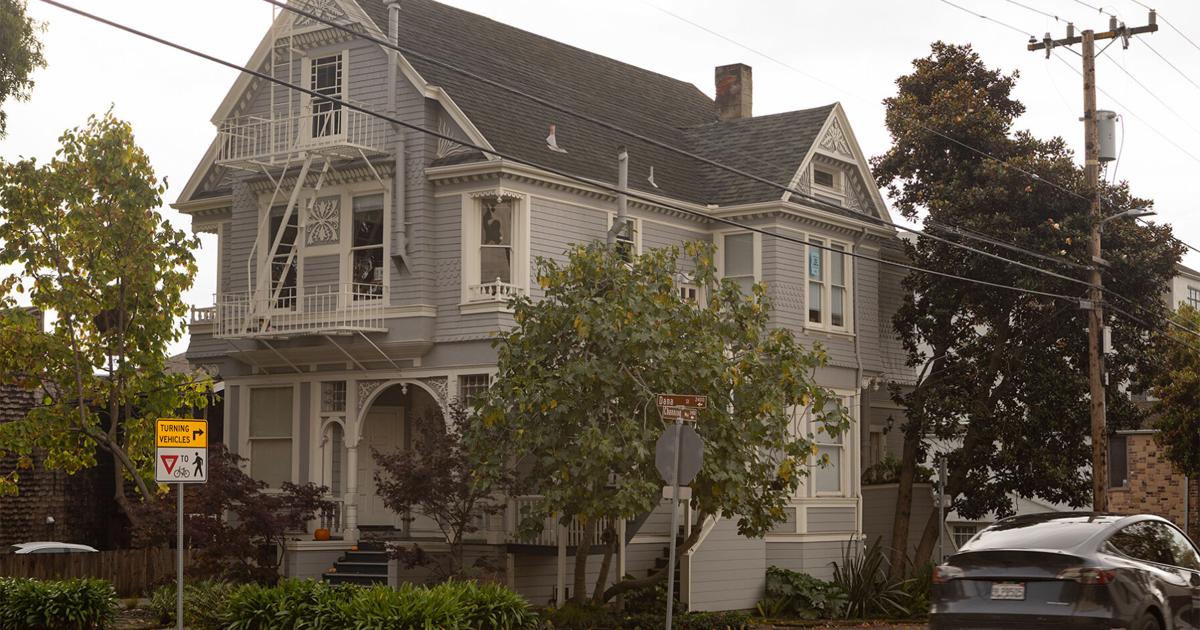
At its regular meeting Tuesday, the Berkeley City Council will consider pausing Berkeley’s authorization of Mills Act agreements that provide tax incentives for historic property preservation.
Enacted in California in 1972, the Mills Act allows cities to enter into contracts with owners of historical properties. Under these contracts, the city provides property tax relief for owners of qualified historical properties in exchange for the owners committing to refurbish and maintain the historical characteristics of their properties.
In 1998, the city council passed a resolution authorizing eligible property owners to apply for Mills Act agreements. The resolution allows the City Manager to defer new and pending contracts during times of fiscal distress. The item will be heard by the city council on Tuesday amid “severe budget challenges” currently facing the city.
According to the item, authored by District 8 Councilmember Mark Humbert, “At a time when Berkeley faces significant short-term budget shortfalls and long-term structural deficits, pausing the program will prevent further erosion of the property tax base and allow existing contracts to expire naturally over their remaining terms, gradually restoring full property tax revenues to the City.”
The item references data collected by data scientist Jeffrey Baker, who independently investigated the issue and found that the City of Berkeley currently has 47 Mills Act agreements that cost the city approximately $600,000 annually.
Moreover, according to the item, it is “unclear at best” whether the property tax relief is leading to important work regarding historic preservation. The item notes that some properties under Mills Act agreements have received city permits for work “unrelated to the preservation of historic elements” while others have not undergone any maintenance requiring city permits, per Baker’s findings.
As part of its rationale for pausing the Mills Act program, the item states that Berkeley’s prohibitions on the demolition of designated City landmarks already serve as a “regulatory backstop” without requiring the provision of tax breaks.
The city is currently considering changes to landmark designation requirements, with the City Council having voted Nov. 10 to explore raising the number of signatures required to begin a historic landmark petition process in an effort to “discourage frivolous designations.” According to Leila Moncharsh, president of the Berkeley Architectural Heritage Association, or BAHA, it is “very uncommon” for Berkeley properties to be landmarked.
Moncharsh also expressed concerns regarding the validity of Baker’s data that informed the item.
“He put together this spreadsheet, and it appears that some of it is wrong and some of it is just insulting people that there is no reason to be insulting,” she alleged.
Moncharsh said she agrees there is a need to pause the program while the city reviews its effectiveness. However, she called for that review to be led by the Landmarks Preservation Commission — which has been investigating the cost/benefit balance of maintaining Mills Act agreements — and informed by an expedited audit from the City Auditor.
“Government is supposed to be transparent, and in order to be transparent, it has to be dealing in facts, not insults and innuendo and wives’ tales,” Moncharsh said.