
Federal funding for California’s high-speed rail hangs in the balance after a hearing on Monday in which a U.S. Department of Justice attorney argued the federal case for claiming back billions of dollars from the project.
Why It Matters
The ongoing legal dispute between California and the Trump administration over $4 billion in federal high-speed rail funding has significant implications for the state’s infrastructure ambitions and sets precedent for future federal-state project funding. The case tests the boundaries of federal oversight, grant conditions, and political influence on major public works. Supporters of the project argue that a withdrawal of funds would waste years of construction investment, while opponents highlight the project’s delays and cost overruns.
What To Know
Attorney Kathryn Barragan, speaking for the federal government, said some $4 billion in grants come with strict conditions and the U.S. government retains the right to revoke funding if terms are violated. Barragan argued before Judge Dale Drozd that disputes over such grants must be heard in the U.S. Court of Federal Claims—not a district court—citing recent U.S. Supreme Court decisions as controlling precedents.
In response, California’s attorney, Sharon O’Grady, argued that the court does have jurisdiction, emphasizing that the federal government receives no “direct benefit”—such as cash payment—from these grants, which instead serve the public. O’Grady asserted that terminating a grant should be reviewable, likening it to revoking a scholarship after award. Drozd has yet to issue a decision on the motion to dismiss.
The case stems from President Donald Trump’s July 2025 announcement of the federal funding clawback, citing missed deadlines, budget overruns and problematic ridership projections in the project’s progress. The California High-Speed Rail Authority promptly sued, calling the move “arbitrary and capricious” and a threat of massive economic harm. An interim agreement between the state and the Federal Railroad Administration has placed the $4 billion in question into a legal trust until the courts resolve the dispute.
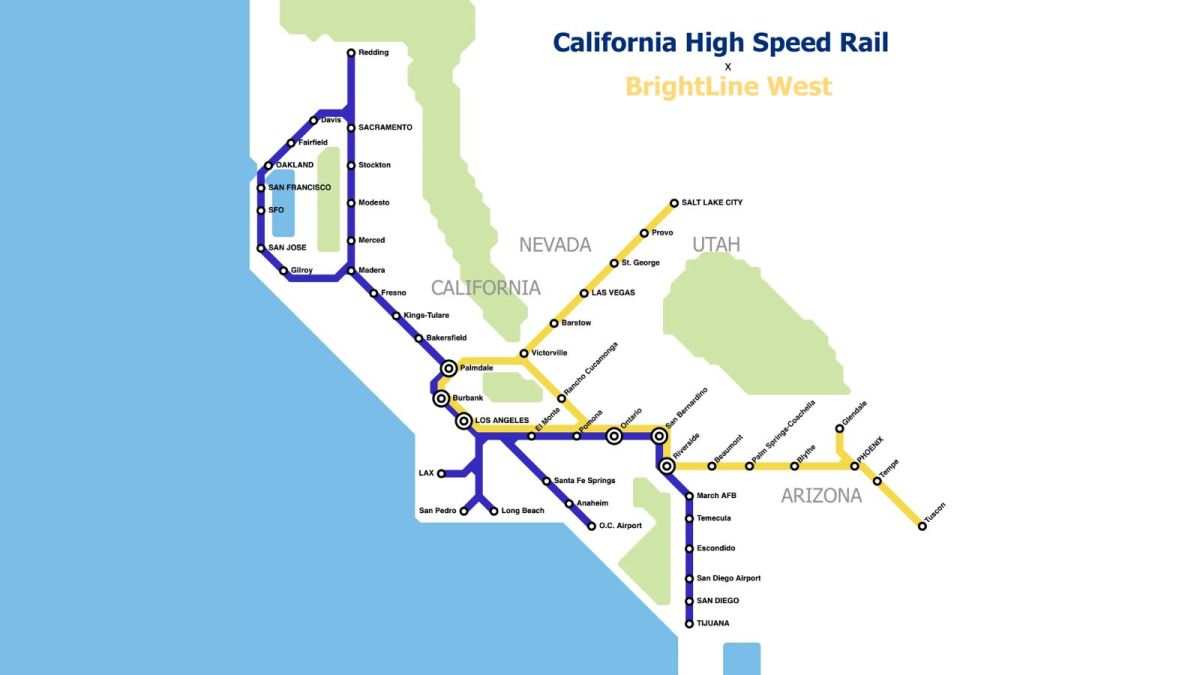
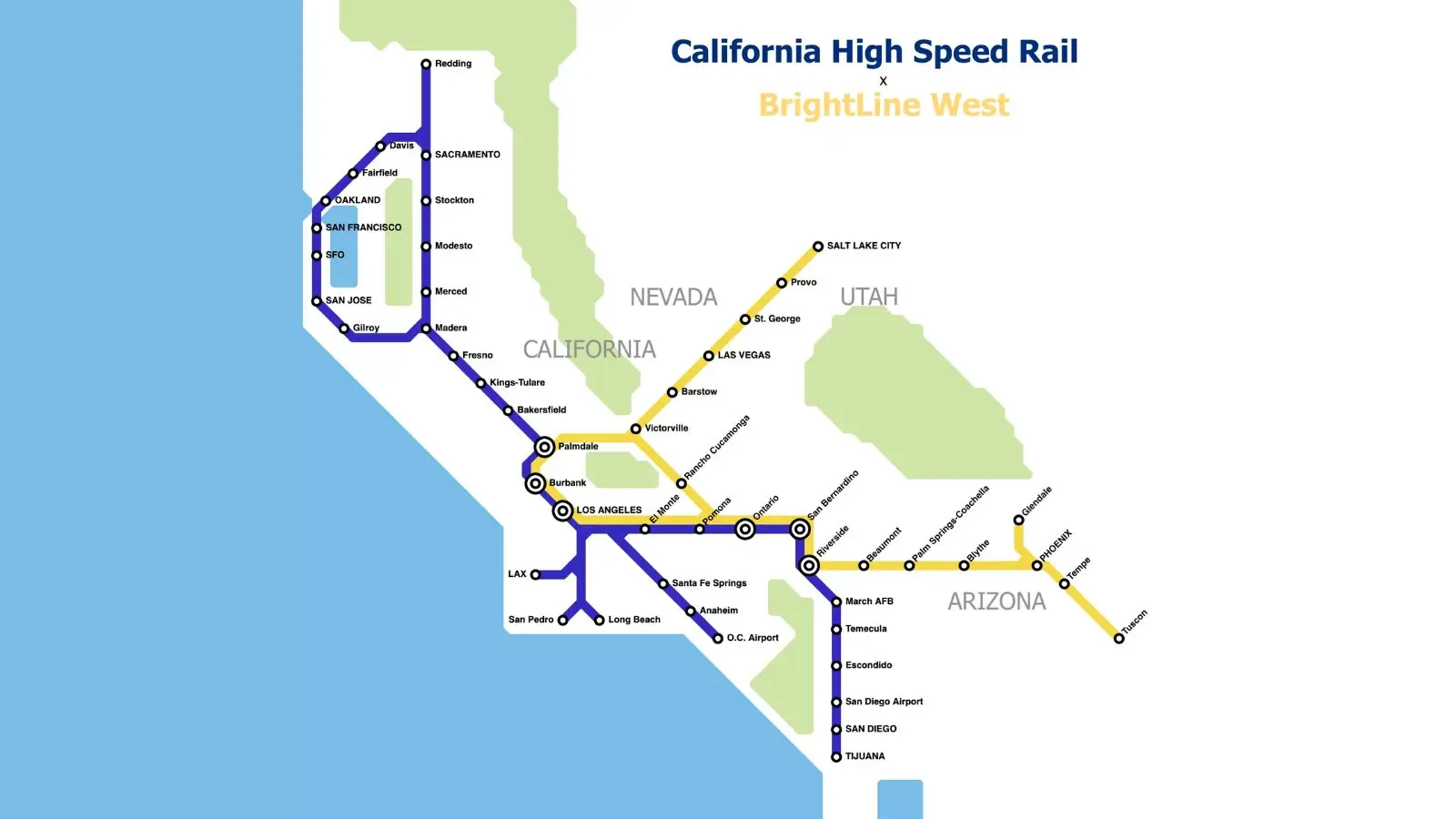
California’s planned high-speed rail is set to run about 494 miles in Phase 1, linking San Francisco, San José and Gilroy, then crossing the Diablo Range via Pacheco Pass into the Central Valley (Merced, Fresno, Bakersfield), before heading south through Palmdale to Burbank, Los Angeles and Anaheim.
What People Are Saying
California Governor Gavin Newsom, in July: “Trump’s termination of federal grants for California high-speed rail reeks of politics. It’s yet another political stunt to punish California.…We’re suing to stop Trump from derailing America’s only high-speed rail actively under construction.”
Transportation Secretary Sean Duffy, in September: “We have to pull the plug. Instead of wasting dollars on Governor Newsom’s high-speed rail boondoggle, these targeted investments will improve the lives of rail passengers, local drivers and pedestrians.”
What Happens Next
Barragan said the next stage of the process would involve creating an administrative record, which would take about a month, after which both sides would advance to filing motions for summary judgment.
When asked how long it might take for a ruling to be issued, Drozd said: “No prediction as to how quickly.”