
 article
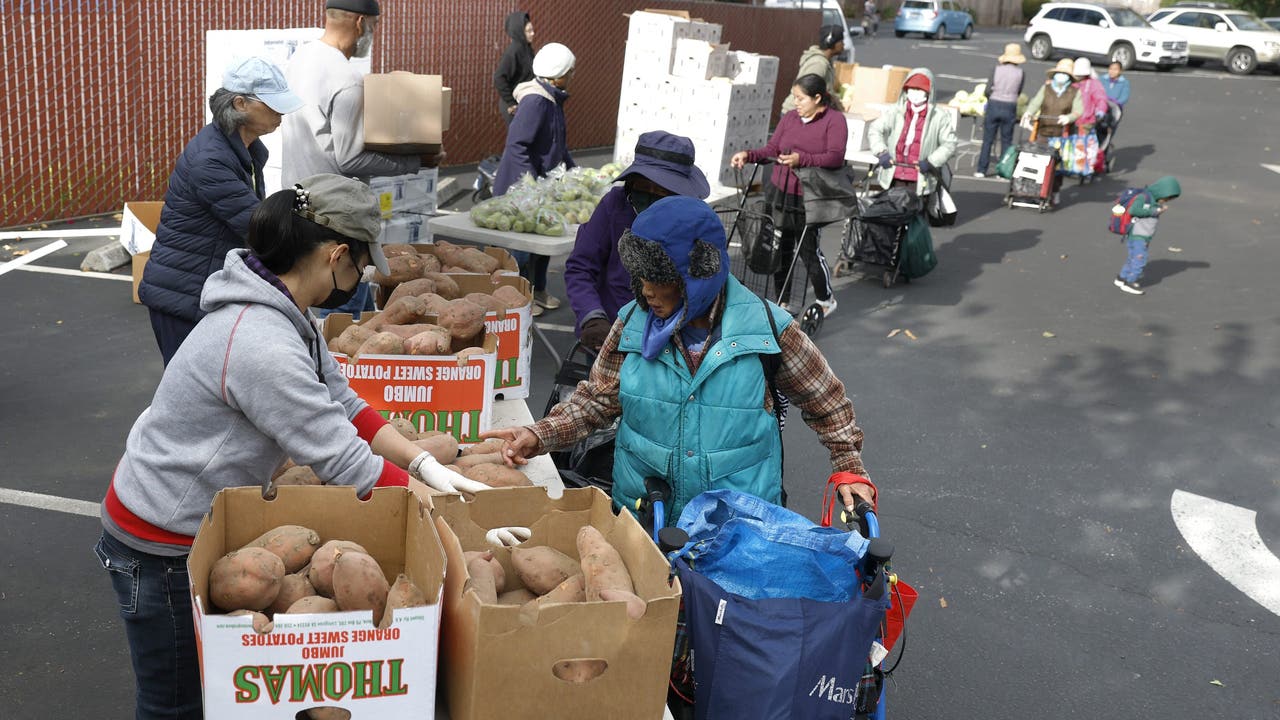
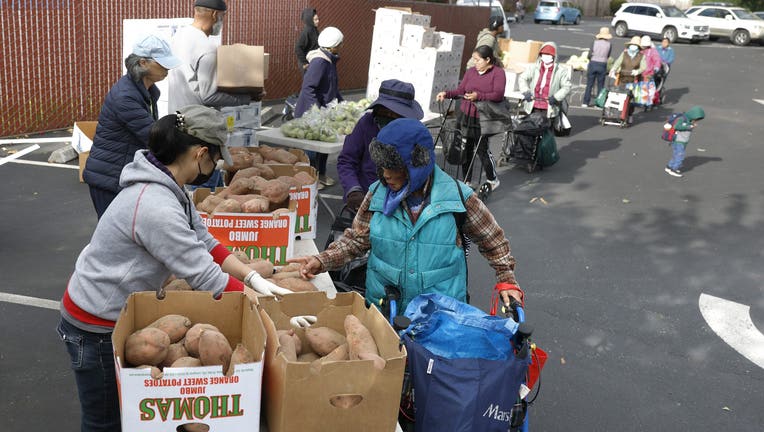
OAKLAND, CALIFORNIA – NOVEMBER 19: People in need receive free food during a food giveaway at Shiloh Mercy House on November 19, 2025 in Oakland, California. San Francisco Bay Area food banks are continuing to operate in crisis mode despite the feder
SAN FRANCISCO – The number of people in the Bay Area living below the poverty line has exploded.
That’s according to new data released on Wednesday by Tipping Point Community, an anti-poverty nonprofit organization founded by Daniel Lurie before he became mayor of San Francisco.
By the numbers:
The Tipping Point Community data establishes the poverty threshold at an annual wage of $28,081 for one adult, which is calculated using the Public Policy Institute of California’s Poverty Measure.
According to the organization’s analysis, the Bay Area’s poverty rate rose from 12.2% in early 2023 to 16.3% by the end of the same year, marking a 4.1% increase.
Put differently, 245,000 additional people in the Bay Area are now living below the poverty line, according to Tipping Point Community.
“These numbers underscore the scale of the problem – and the urgency to act,” said Sam Cobbs, CEO of Tipping Point Community. “More families are being pushed into poverty because wages can’t keep up with the Bay Area’s skyrocketing cost of living.”
The Tipping Point Community data also shows the cost of living in the Bay Area is outpacing income growth, and that half of all Bay Area residents living in poverty belong to families with at least one full-time worker.
Household incomes increased by 34% between 2016 and 2023, while the cost of living rose 46% from 2021 to 2023 alone, according to the organization. Similarly, prices for essentials surged 18%, which includes a 17% jump in grocery costs.
What’s next:
The levels of poverty outlined by the Tipping Point Community data have not been seen since 2016.
However, the organization said the rising trend is reversible, and that it is doing its part by investing in “systems and policies that create lasting change.”
Among those efforts include clearing the way for public funding to build affordable housing, expanding access to childcare, investing in training and apprenticeship programs that connect residents to quality jobs, improving college completion rates for low-income students and increasing access to and preserving existing social safety net programs.
“Altogether, these efforts aim to ensure that we not only respond to the urgency of rising poverty now, but invest in the systems level work that prevents poverty before it begins,” Tipping Point Community said.
The Source: Tipping Point Community.
San FranciscoBay Area homelessnessHousingHousing and HomelessNews