
San Dieguito Union High School District is mulling new rules for its high school foundations, months after an audit prompted by two teens’ investigation found financial and operational mismanagement within the nonprofits.
The district’s four high school foundations altogether raise millions of dollars in private donations for the schools and hold programs such as camps and clinics for students. The nonprofits are run by their own staff and volunteers without formal oversight from the district.
But that will soon change, as the district has drafted a proposed memorandum of understanding that would create new transparency and accountability rules for the foundations and establish district oversight.
The school board is currently reviewing the proposed MOU and is expected to finalize it in the next couple months, with the expectation that the agreements would go into effect next school year.
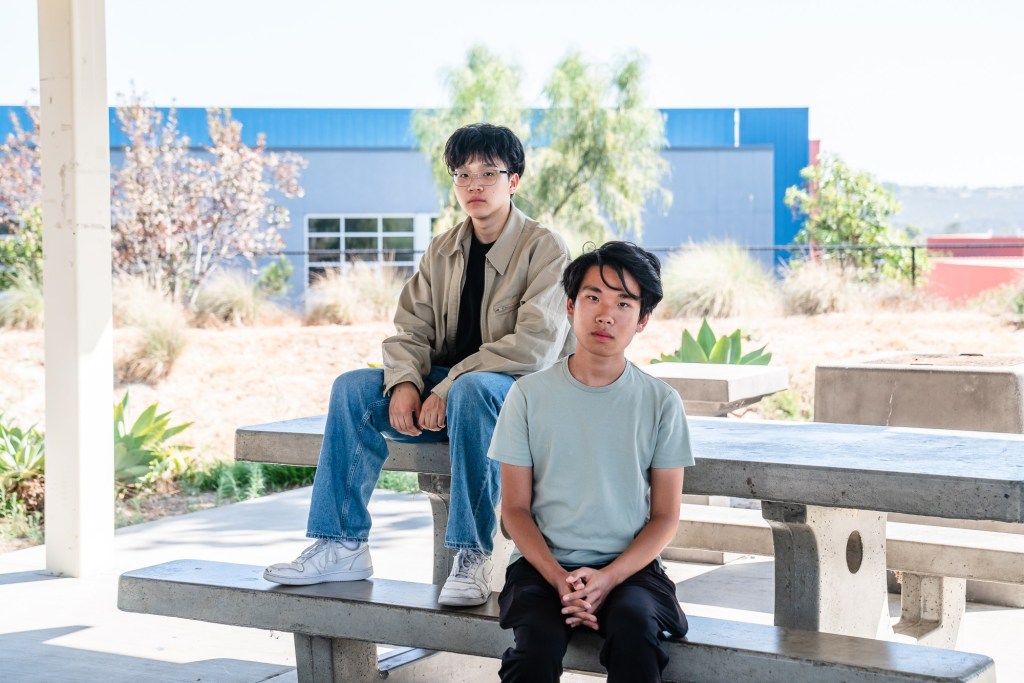
The foundations came under scrutiny last year after two Canyon Crest Academy students published a report raising questions about their school foundation’s activities.
In particular, they scrutinized its practices of taking a 25% cut of donations made to student clubs for a general fund and of taking portions of those gifts to cover its own operating costs, as well as its failure to report its executive director’s pay on federal tax filings for multiple years.
The students’ report prompted the district to commission an outside audit, which found several kinds of discrepancies and inaccuracies in the foundations’ financial records.
The audit noted that none of the foundations had comprehensive written policies or procedures, and some foundations were failing to report in-kind donations and investment activities, keep track of donor restrictions, regularly reconcile their accounts, document proper approval for expenditures and more.
Among other recommendations, the audit said the district needed to establish an MOU with its foundations to outline rules and responsibilities that would help prevent potential future mismanagement.
New rules proposed in the MOU would cap at 10% any administrative fees that foundations take from donations to cover their own operating costs.
They would also require foundations to explicitly tell donors how much of their donation, if any, would go toward a general fund, and let donors opt out of having part of their donation go to the general fund.
The MOU would also end a perk that foundations have had for years: The nonprofits have been able to use the district’s facilities for free, as well as to sublease facilities to third parties and pocket the facility fee revenue.
The proposed new rules would end that practice and make it so that the foundations have to pay facility use fees to the district. The MOU clarifies that the district has the sole authority to rent out its own facilities.
Foundation leaders told the district they’re concerned about the financial toll they’d suffer from this policy change, possibly to the tune of hundreds of thousands of dollars a year.
They asked the district for half off the usual rent rate, San Dieguito associate superintendent Stephen Dickinson said at a board meeting Thursday.
Some school board members said at the meeting that they would support not charging foundations anything to use district facilities for camps, clubs and tournaments or other activities that directly involve students.
Under the drafted MOU, foundations would have to submit financial statements to the district on a quarterly and annual basis, including information about balance sheets, income and donor activity.
Foundations would also adopt their own operations manual and establish procedures to verify and record approval for expenditures, conduct monthly cash reconciliation and more.
Litong Tian, who was one of the two Canyon Crest students who published the initial investigative report and is now a first-year student at Cornell University, said he approves of all the provisions in the drafted MOU. He especially likes the provisions to cap administrative fees and give donors an opt-out from the general fund.
“I hope the document will get approved in its current form as soon as possible,” he said in an email.