
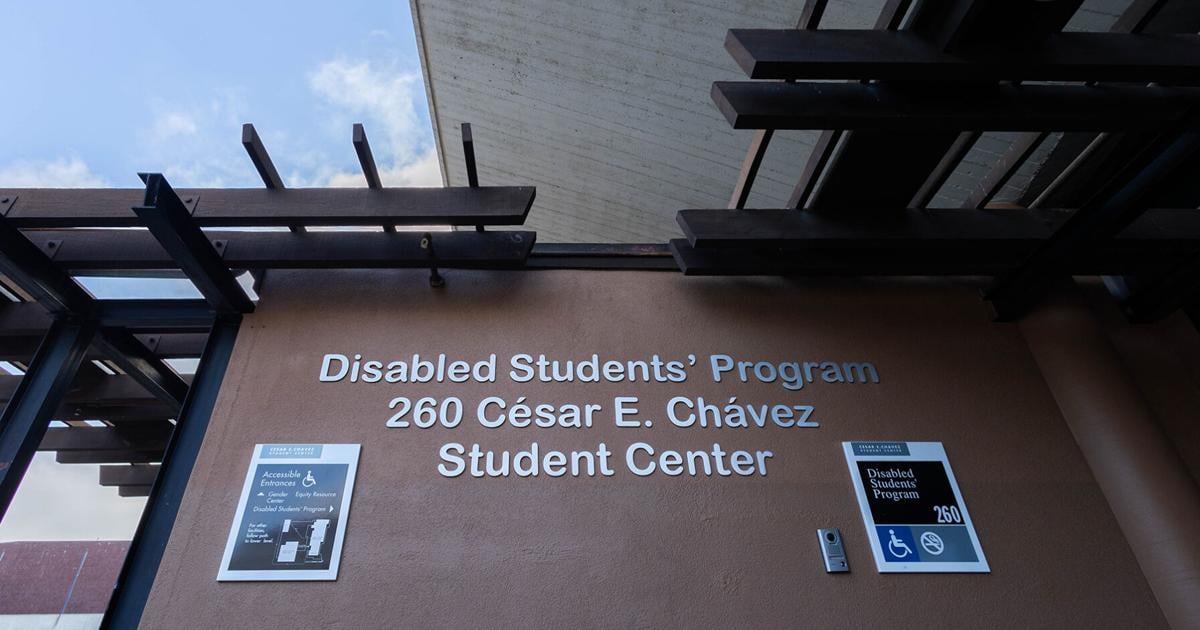
A total of $8 million in one-time funding for disabled students’ programs, or DPSs, across UC campuses from the University of California Office of the President is expected to run out by spring 2026.
“This 8 million dollars in funding has enabled students to receive timely accommodations, directly impacting academic success, and campus participation,”wrote ASUC Disabled Community Senator Jada Yang in a public response to the notice.
However, the UCOP payment covers a small fraction of what DSP needs to run at UC Berkeley, according to Carmen Varela, the executive director of campus’s DSP.
According to Varela, DSP is funded through a “hybrid model” which includes permanent campus funding, one-time and ongoing state funding, gifts, endowments and federal funding for DSP Scholars, a federally-funded TRIO program offered through Student Support Services.
Historically, UC Berkeley was one of the first university campuses in the country to establish accommodations for students with disabilities. According to Yang, the program, which is under the umbrella of campus’s Equity and Inclusion division, is the largest disability service program at any school in the UC system.
“DSP serves over 6000 students (at UC Berkeley),” Yang said. “(Of that) $8 million in funding, $1.5 million was directed towards UC Berkeley’s DSP.”
Yang said disability organizations across the UC system were alerted of the funding’s exhaustion at a meeting last Tuesday with the UC Student Association.Yang’s office is now urging UCOP to extend the funding for an additional year and include disabled students in decision-making.
“The funding (for DSP) was temporary and was intended to support recommendations from the January 2024 systemwide report on serving students with disabilities,” said a UCOP spokesperson. “Campuses matched the one-time funding to begin implementing some of the workgroup’s recommendations.”
Last month, UC Berkeley lost a $836,000 federal grant for one of its other TRIO programs, the Educational Talent Search, or ETS, initiative, which provided 1,500 disadvantaged youth with free year-round college support. Campus’s ETS program is one of about 123 TRIO programs to lose federal funding this year, according to Inside Higher Ed.
Both UCOP and campus said they are working to adequately accommodate their disabled communities going forward with the resources they have.
“UCOP is reviewing how resources were spent and considering strategies for continuing to support our community members with disabilities amid unprecedented financial challenges,” the spokesperson said.