
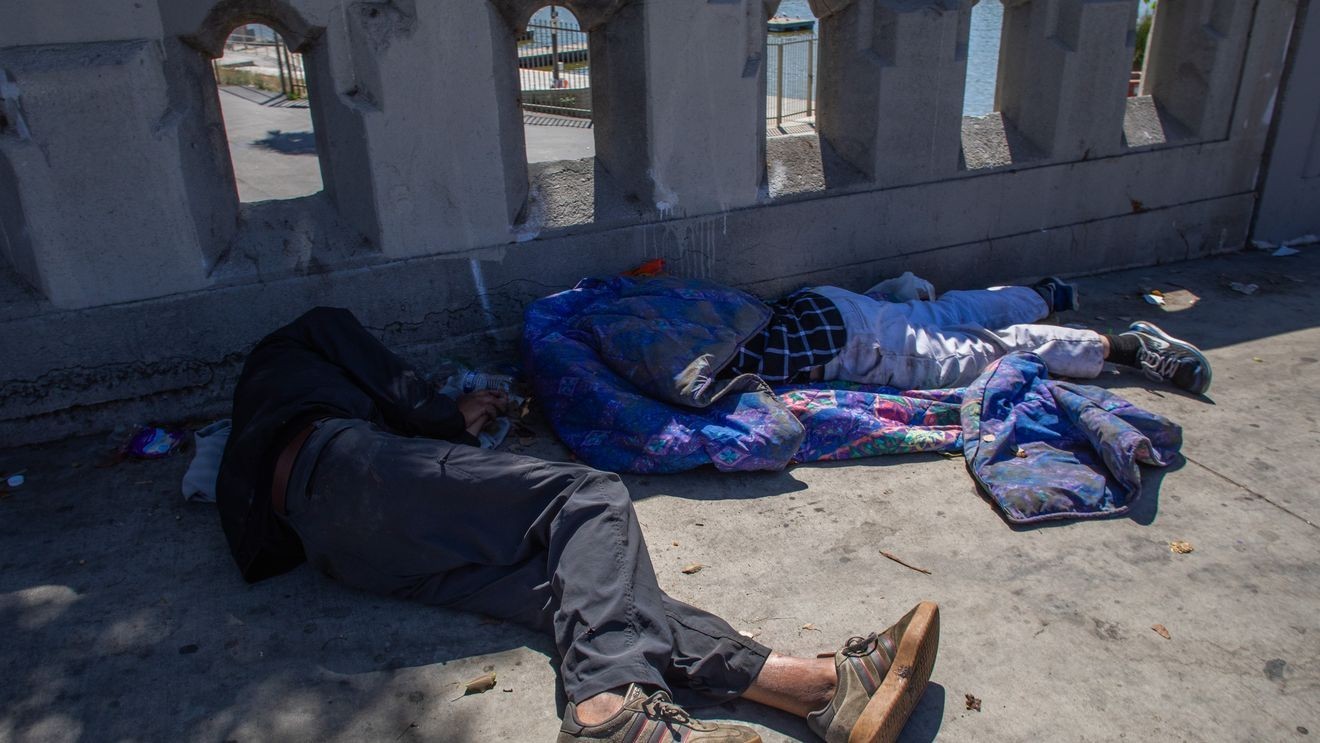
WASHINGTON (TNND) — Twenty states, along with Washington, D.C., have filed a sweeping lawsuit against the Trump administration, arguing that newly announced federal homelessness rules will push more people back onto the streets. The coalition says the administration’s changes gut long-term housing funding and replace it with short-term, requirement-heavy programs that states argue Congress never authorized.
According to the lawsuit, the administration’s overhaul targets HUD’s Continuum of Care program, the primary federal pipeline that funds permanent supportive housing. As California Governor Gavin Newsom described in announcing his state’s participation in the suit, the administration is “slashing federal money for permanent housing and replacing it with transitional housing tied to work mandates or treatment requirements.”
According to the lawsuit, the administration’s overhaul targets HUD’s Continuum of Care program, the primary federal pipeline that funds permanent supportive housing. (TNND)
What States Say HUD Did Wrong
The suit, led by New York Attorney General Letitia James, argues that the administration violated federal law on several fronts. According to AG James’ office, more than $3 billion in federal homeless-services grants are at risk, potentially affecting over 170,000 people nationwide.
The complaint makes three core legal claims:
HUD exceeded its authority.The rule violates the Administrative Procedure Act.The administration infringed on Congress’s power of the purse.
The administration has defended the shift as part of a broader strategy emphasizing accountability and faster transitions out of homelessness. But the case now moves to federal court, where judges will determine whether HUD exceeded its authority.
Cities Crack Down With Camping Bans, But Do They Work?
A 2025 brief from the National Alliance to End Homelessness concluded that sweeps and camping bans do not reduce homelessness and often make it more difficult for people to secure stable housing. (TNND)
At the same time, the federal policy fight escalates, cities across the country have been rolling out new enforcement rules following last year’s Supreme Court decision allowing states to prohibit public camping. Curfews, encampment clearances, and expanded policing have now become more common and, in many places, have visibly reshaped streets and public spaces.
But experts say cleaner streets don’t necessarily mean fewer people experiencing homelessness.
A 2025 brief from the National Alliance to End Homelessness concluded that sweeps and camping bans do not reduce homelessness and often make it more difficult for people to secure stable housing. The brief cites repeated consequences: destroyed belongings, missed case-management appointments, and mounting fines or warrants.
Debate Over Housing First
The Trump administration has also sharply criticized the “Housing First” model, which prioritizes getting people into housing without requiring treatment or sobriety first. Critics argue the approach has been misapplied and turned into what they call “housing-only”, offering apartments but not enough mental health or addiction services.
A report from the Capital Research Center highlights California’s experience, pointing to a 47.1% increase in unsheltered homelessness after the state required all homelessness funding to go to Housing First programs between 2015 and 2019.
However, the report does not provide evidence that Housing First directly caused that increase.
A Nationwide Policy Clash With High Stakes
The lawsuit against the Trump administration and the rise of new local enforcement policies represent two very different strategies unfolding simultaneously: one focused on nationwide program rules, the other on highly visible street-level enforcement.