
We may receive a commission on purchases made from links.
In many areas, when people think of mussels, they think of a variety of popular dishes. However, in much of the Southern half of California, the thought that springs to mind is that of fear over the potential environmental and infrastructure damage this mollusk may cause. That is because the golden mussel, which is native to Asia, has invaded water bodies and waterways from San Francisco to Los Angeles in an incredibly short amount of time. Given the rapidity of its advance, more than 250 miles in less than a year, and its potential for destruction, the considerable concern is understandable.
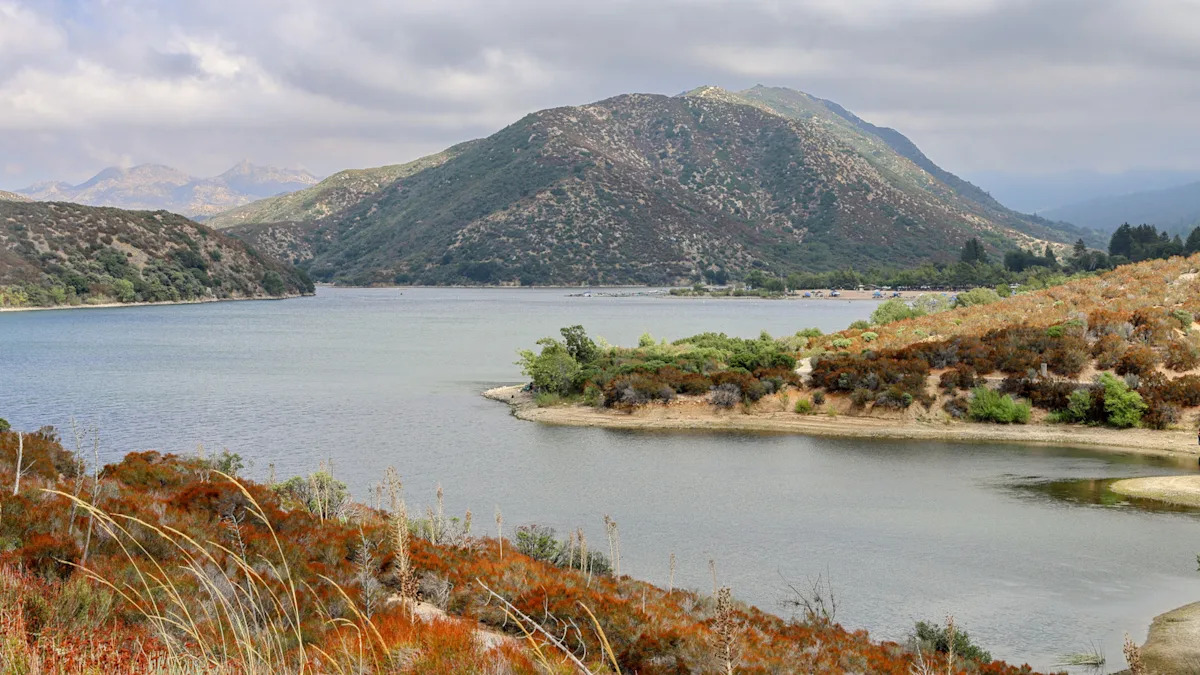
Golden mussels were first noticed in late 2024. This initial observation was in the Port of Stockton, which is due east of San Francisco, a deepwater port in the San Francisco-San Joaquin Delta. In a matter of months, it was seen as far south as Silverwood Lake in San Bernardino County, as well as Pyramid Lake in Los Angeles County. This fast-moving invasive mussel is reminiscent of the displaced zebra mussels, which originally arrived in U.S. waters through the Great Lakes but have since spread into several states across the country, including California.
Zebra mussels continue to cause as much as $500 million worth of damage a year to the infrastructure in the Great Lakes region alone, not counting the environmental damage they have wrought. This damage is primarily caused by clogging pipes, filters, and machinery within water systems and power plants, as well as attaching to docks, pilings, and boats. Golden mussels are quite capable of having a similar negative impact. Additionally, they disrupt the food chain at the base level by filtering out the plankton, which is a vital food source for a variety of native species.
Read more: 10 Types Of Freshwater Fish, Ranked By Danger Level
Helping prevent the spread of golden mussels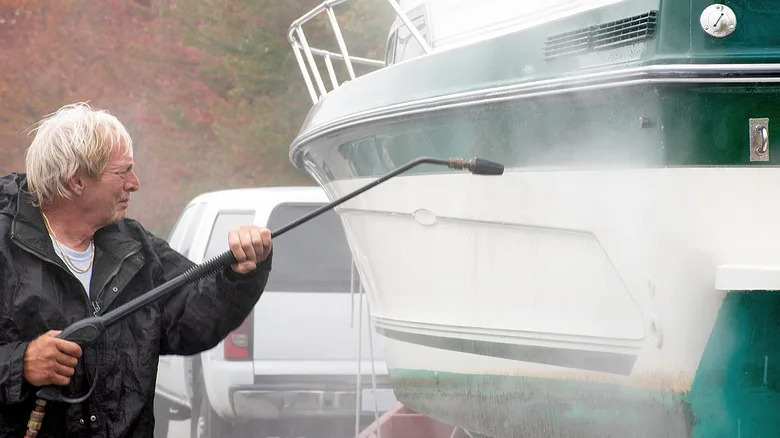
power washing boat hull – Liveslow/Getty Images
There are a couple of ways in which golden mussels have spread throughout the Golden State. One is traveling along and through the vast network of pipelines and canals that connect various waterways across the state. Unfortunately, there isn’t much the average citizen can do to prevent that from happening. Given that nearly 70% of the population of California receives water that is somehow tied to the San Joaquin Delta, this could be a massive problem for the state’s infrastructure.
However, the other way it is spread very much involves people and can be prevented. Golden mussels can hop from one water body to another by attaching themselves to objects that are moved between the water bodies. This would include boats, fishing equipment, water sports equipment, and more. Since they can live around a week and a half out of water, the transport doesn’t even have to be immediate. They can easily be transplanted via a boat hull from one weekend to the next. To help combat this problem, the state of California has launched a massive effort geared toward education, inspection, and even monetary incentives.
Much as it is very difficult to get rid of invasive grass species in your yard, it is very hard to eradicate golden mussels from waterways once they’ve become established. So, prevention is the key. With that in mind, California is pushing its Clean, Drain, and Dry program. Cleaning boats helps prevent the spread of invasive species by removing them from the hull, bilge, and engine. Boaters are encouraged to wash boats and all equipment immediately, utilizing StarBrite Biodegradable Boat Wash or a similar product. They should also drain any water from boats and equipment and allow the boat to properly dry for at least 5 days before using it in another body of water.
Want more design inspiration? Join our free newsletter to get the best home and garden tips, design hacks, and DIY projects delivered right to your inbox. You can also add us as a preferred search source on Google.
Read the original article on Outdoor Guide.