
Lee: The common response is to reach for diphenhydramine and dexamethasone, along with supportive care. Those medications aren’t “wrong,” but they don’t address the immediate, life-threatening pathophysiology. The critical drug that’s missing is epinephrine. If you could give one medication, what would that be? It is epinephrine. Think of it this way: For a person with a severe allergy, what do they carry? An EpiPen. It’s not a DexPen or a Benadryl pen. It’s an EpiPen. That’s the direct counter to the systemic vasodilation and bronchoconstriction happening during anaphylaxis.
dvm360: You stress the importance of differentiating between hypersensitivity types. Why is that so crucial for practice?
Lee: Because the management and long-term strategy for each type is remarkably different. We need to differentiate type one through 4 reactions. In practice, you might see:
Type I: The immediate anaphylaxis we just discussed.Type II: Immune-mediated reactions, like IMHA or thrombocytopenia.Type III: Immune-complex reactions, which can look like a localized vasculitis or little bald spots at the injection site.Type IV: Delayed-type hypersensitivity, which can cause sterile granulomas or lumps.
Understanding which pathway you’re dealing with is essential for everything from your acute treatment to your plan for future vaccinations for that patient.
dvm360: Beyond emergency treatment, you’ve identified a common error in vaccine administration protocol itself. What are you seeing?
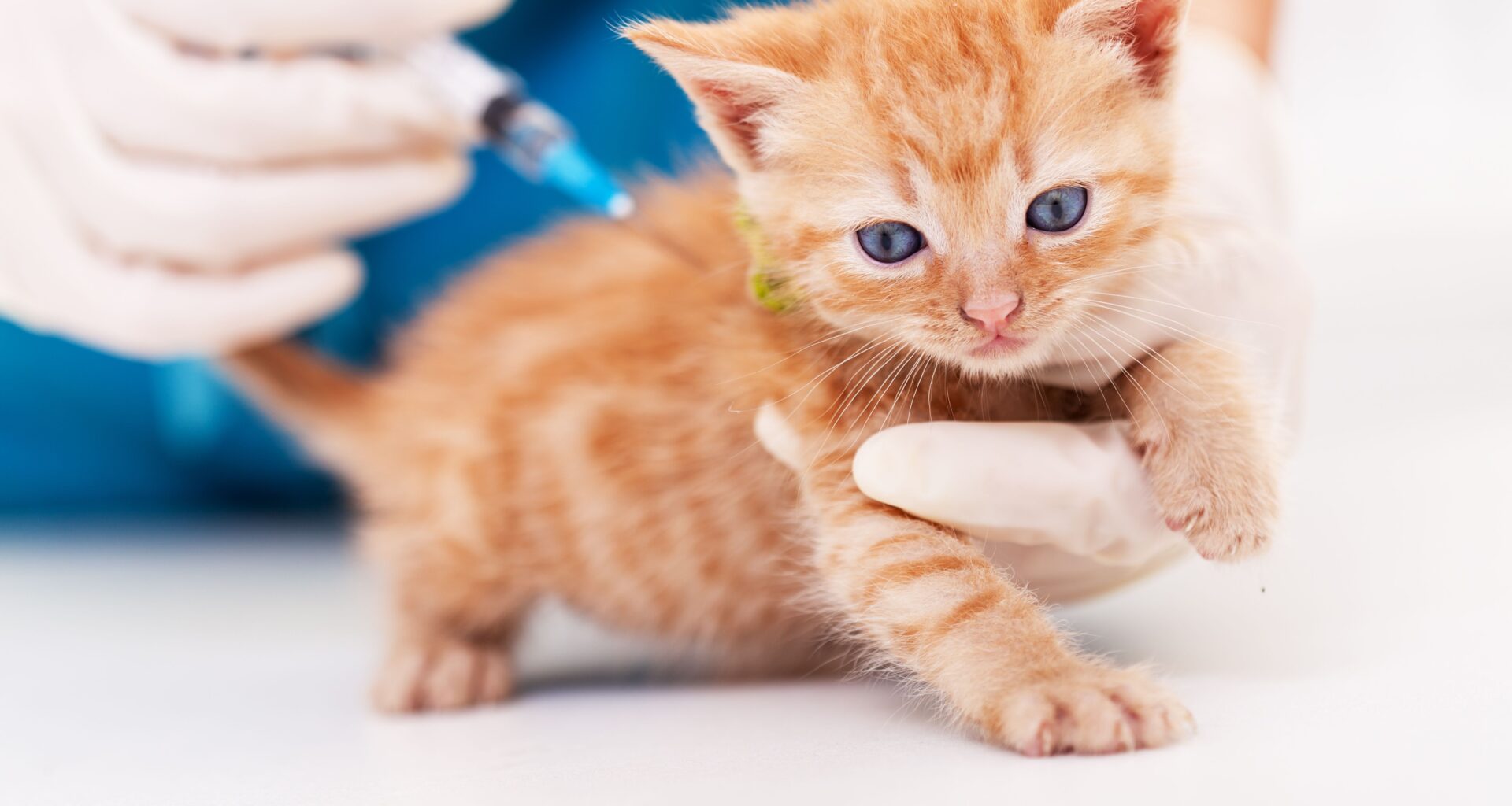
Lee: This is a widespread issue that started with a good intention. Decades ago, the concern over feline injection-site sarcomas rightly led to the protocol of giving feline vaccines very low on the body. However, that feline-specific protocol is now being incorrectly applied to dogs. I’m seeing a lot of people putting canine vaccines low on the limbs, and that is problematic. It is not helping out the pet; in fact, it’s working against us.
dvm360: What is the correct approach for vaccine sites?
Lee: For cats, keep everything low; for dogs, keep everything high. Administering vaccines high on the body in dogs is a lot more comfortable for the patient, and you’re going to have fewer problems.
Lee will be presenting on this topic and other preventive medicine strategies at the Fetch dvm360 Conference in Long Beach, California. Learn more or register here.