
As we enter December, the year is winding to an end, yet there is still plenty going on in the local brewing industry. The latest of our county-wide roundups includes items about heavy metal (and medals) hauled in from the Midwest, a satellite-taproom innovator exiting a community it trailblazed its way into over a decade ago and the end for a brewery whose owner spent the better part of a year trying to come back after closing the doors to his beer biz.
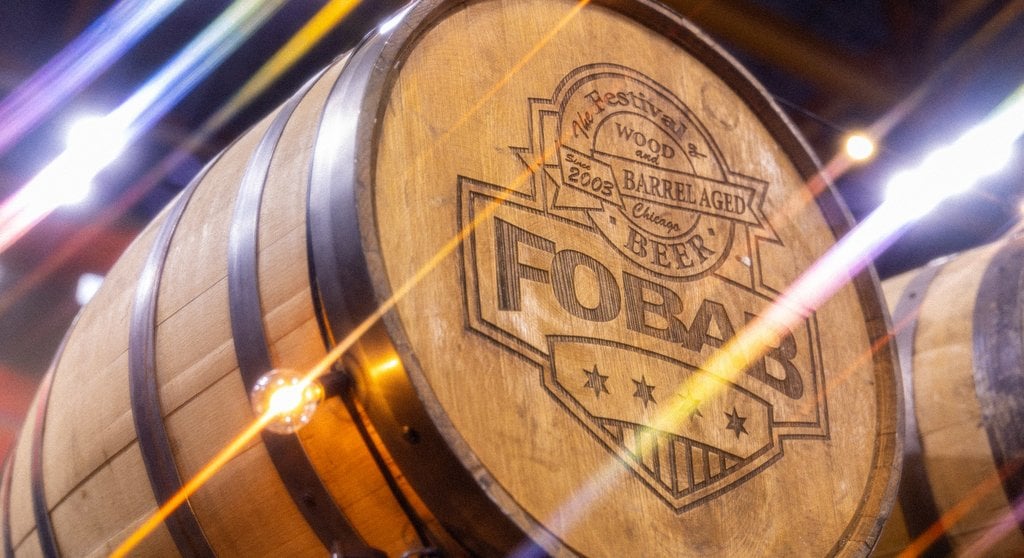
Dubbed the biggest weekend of the year for oak-matured beers, the Festival of Wood & Barrel-Aged Beer has taken place each autumn in Chicago, Illinois since 2003. On top of tapping more than 300 beers, ciders, meads and perries from craft breweries spanning the U.S., the event hosts a hotly contested brewing competition covering 13 style categories ranging from lagers to barleywines, mixed-culture and wild beers. This year, a pair of San Diego County operations garnered gold medals in a pair of distinctly different categories. North Park’s TapRoom Beer Co. took first place in the Specialty Strong Porter & Stout category with Illusions of Vanilje, a bourbon barrel-aged imperial stout infused with Costa Rica vanilla, TCHO cacao nibs and coffee. Meanwhile, Vista-based The Lost Abbey Brewing earned, not only the top prize in the Wild Beer – Mixed Culture / Acidic category, but Best of Show for the entire festival, with this year’s edition of its vaunted American gueuze, Duck Duck Gooze. This isn’t the first time The Lost Abbey has had the best beer of the fest. In 2022, the “Mother of All Ducks” anniversary blend of Duck Duck Gooze took Best of Show, following back-to-back wins in 2018 and 2019 for its peach- and peach-tea-infused oak-aged sour ale, Peach Afternoon. The company also took Best of Show in 2014 (Veritas 013 oak-aged sour with peaches and nectarines), 2012 (Track #8 bourbon barrel-aged strong ale with raisins, cinnamons and chilies), and Director of Brewing Operations Tomme Arthur was named runner-up for that honor for Cuvée de Tomme, a barrel-aged sour brown ale with raisins and cherries he first crafted while heading production at Pizza Port’s Solana Beach brewpub.
A stroll through North Park turns up the largest concentration of brewery taprooms of any neighborhood in San Diego…but it wasn’t always that way. When Belching Beaver Brewery opened its tasting room near the intersection of 30th Street and El Cajon Boulevard in 2013, the only other local beer operations calling North Park home were Poor House Brewing and Thorn Street Brewery, both of which were less than a year old and full-on breweries. Following in the footsteps of suds-satellite innovator Stone Brewing, Belching Beaver expanded its reach far beyond its North County HQ by tapping into a popular area that has grown by leaps and bounds around it. But come next year, the company will move out of its 2,500-square-foot space. Owner Tom Vogel says the business’ decision not to renew its lease was based on the fact that parking near the venue has largely been eliminated by the City of San Diego’s implementation of bike lanes. Belching Beaver plans to put on a farewell party before moving out. In the meantime, Vogel says his team is on the lookout for another location in North Park – preferably one with a kitchen or space for one – and welcomes anyone who knows of such a site to reach out online.
With all three of its locations shuttered, its beers absent from shelves and coolers for more than a year, and its most recent Instagram post having been published in October 2024 featuring a head brewer who has now been with Rincon Reservation Road Brewery for roughly a year, most believed Vista-based WestBrew had gone out of business for good. But behind the scenes, owner Joshua Schreer had worked for many months to try to keep his passion project going via multiple means of creative restructuring. Earlier this year, he endeavored to work with Modern Times Beer, offering up use of WestBrew’s headquarters to the then brewery-less company (which has since taken over the downtown San Diego production facility previously operated by defunct Resident Brewing). When that did not pan out, he explored other unpublicized options to keep the 2020-born brand going, none of which came to fruition. Schreer’s hopefulness in the face of adversity is an example of a 2025 trend in which owners of brewing companies announcing their closures have vowed, either publicly or through offline communications, to be back again in some shape or form. Examples include Border X Brewing, GOAL. Brewing, Oceanside Ale Works and Resident, the owners of which all said they hoped to revive their businesses, but have been unsuccessful in doing so or have since changed their minds.