
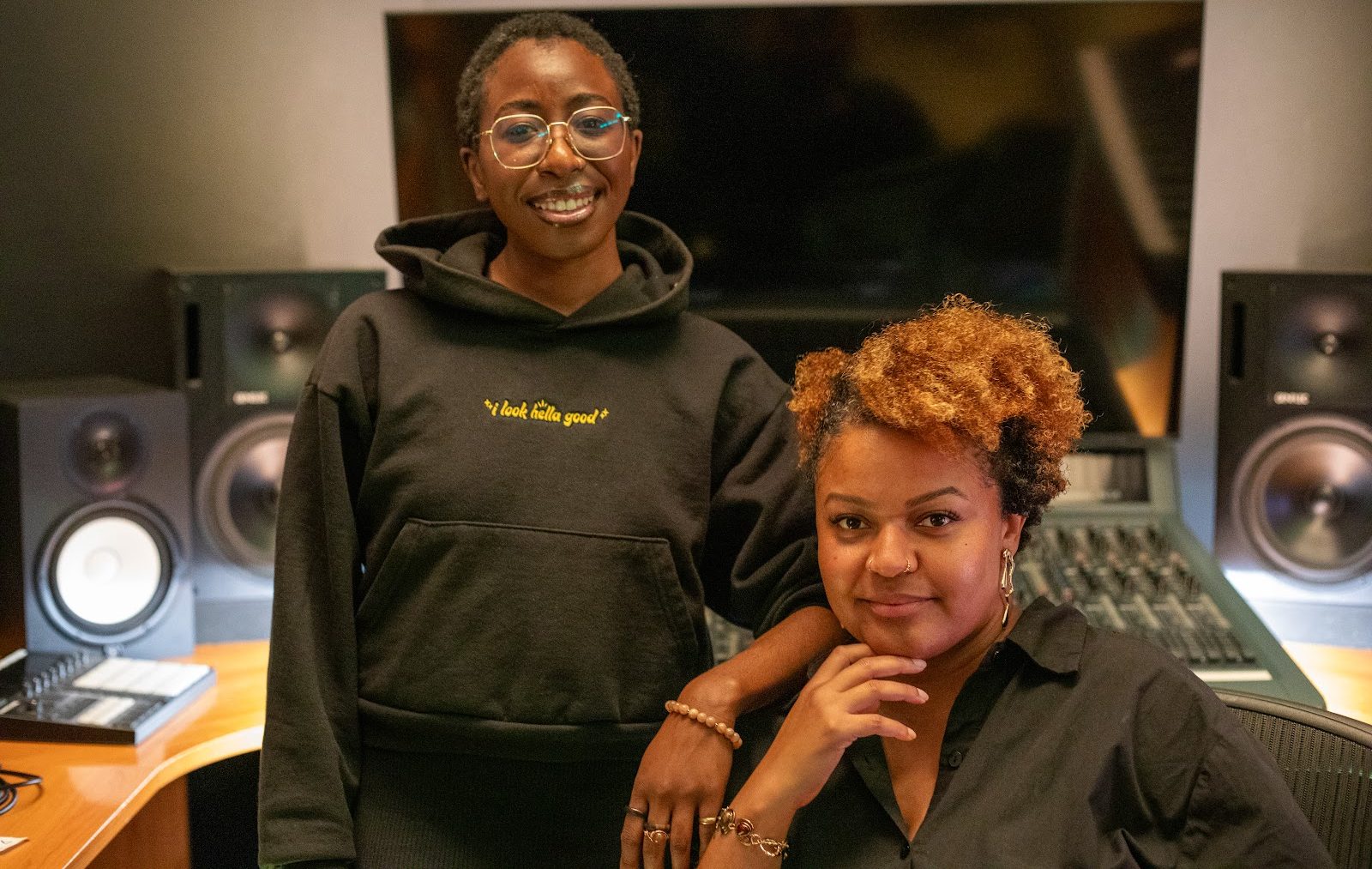
For years, Sacramento quietly has cultivated musical talent only to watch it slip away. Singers, producers, poets, and performers often reach a certain point in their development and hit an all-too-familiar wall: to make a living in the arts, they have to leave the city.
Now, thanks to a new investment into Sacramento artistry, that might change.
The city is acknowledging the importance of investing in opportunities that many artists say are paramount to their ability to survive and succeed in Sacramento.
“The dopest thing that lasts forever is art,” says musician Lizzy Paris. “Without funding and support from the community at large as well, those things aren’t seen to the capacity that they need to be seen. They’re not given the energy and the pedestal that they deserve.”
After graduating from Sacramento State, Paris became one of the many artists who felt they had no choice but to leave to succeed in the business. She traveled between the Bay Area and Los Angeles for gigs, looking for spaces where her talent was not only seen, but sustainable.
But by 2022, after years of moving, rebranding, and trying to keep music alive while building a “normal life,” she returned to Sacramento full time. Her first weekend back in town, she landed a gig. It felt like something had shifted not just within her, but within the city.
Her return was perfectly timed. Sacramento was quietly preparing to turn into the kind of place she once had to leave.
That same year, the city commissioned its first music census, a comprehensive attempt to understand what local musicians needed and why so many left. The results were stark. When it came to consistency of work, 86% of Sacramento musicians reported playing fewer than four gigs a month. Additionally, 75% reported they relied on income outside of their music and many lacked access to, or even awareness of, standard industry revenue streams such as licensing, royalties, and music publishing.
The census told a story the community had been living for decades: Sacramento didn’t lack talent; it lacked infrastructure.
In response, the city carved out new funding for its creative economy and awarded the Department of Sound, a youth-focused music education nonprofit, a grant to build something entirely new: a program dedicated not to performance, but to revenue development, artistic sustainability, and long-term career stability for working musicians.
That vision culminated this fall in the inaugural Sound of Business Summit, a six-day, first-of-its-kind training series for artists who already had released at least one song. From a pool of 265 program applicants, 108 musicians were selected. This method showed that the city wasn’t trying to build talent from scratch, it was investing in artists already putting in the work.
Paris, who has seen much success since moving back to Sacramento, even performing an NPR “Tiny Desk” concert, was chosen as both a spotlight artist and ambassador.
“Programs like this are amazing in small cities because it gives a voice to those smaller, marginalized groups of artists. You never know what type of amazing talent you’re going to find” Paris says.
Eighteen artists showed up each day of the summit for intimate sessions led by industry experts who broke down the business fundamentals many musicians don’t learn until they’re deep into the industry. These were about licensing, publishing, streaming revenue strategies, fan monetization, merchandising, intellectual property, all the unglamorous, essential mechanics of earning an income from music.
“We were founded on the vision that access to sound should be a community utility and not a luxury,” says John Hamilton Hodgson, founder and CEO of Department of Sound. “It is a very important part of a community.”
Hodgson has spent nearly eight years building that vision. Through the Department of Sound, he and his team have brought music and podcast production programs to more than 35 Sacramento schools. But the summit marked a new chapter focused on economic empowerment.
“We have such a hotbed of talent. People want to do these things but we don’t necessarily have the infrastructure built around it to have a proper scene,” Hodgson says. “So as a nonprofit, we try to step in and run some programs that, at scale, empower people with skills to do those things.”
Among the ambassadors was Camille Janae, a poet and curator who co-founded Out the Way on J, a monthly R&B and poetry series hosted at her hair salon, where the chairs are moved aside and intimacy becomes the point. Her work centers on building community, a theme that echoed throughout the summit. She sees her role as a connector, providing artists with a place for their work to be seen and adored by the community.
“I want to encourage folks to be intentional about the ways that they show support to local artists,” Janae says. “If art is something that we want to continue to see on the local level, we have to be intentional and active about that.”
And for Paris, even with her success, she says the city’s investment still matters deeply and hopes similar financial investment in the city’s artists grows over time.
Related