
Reading List
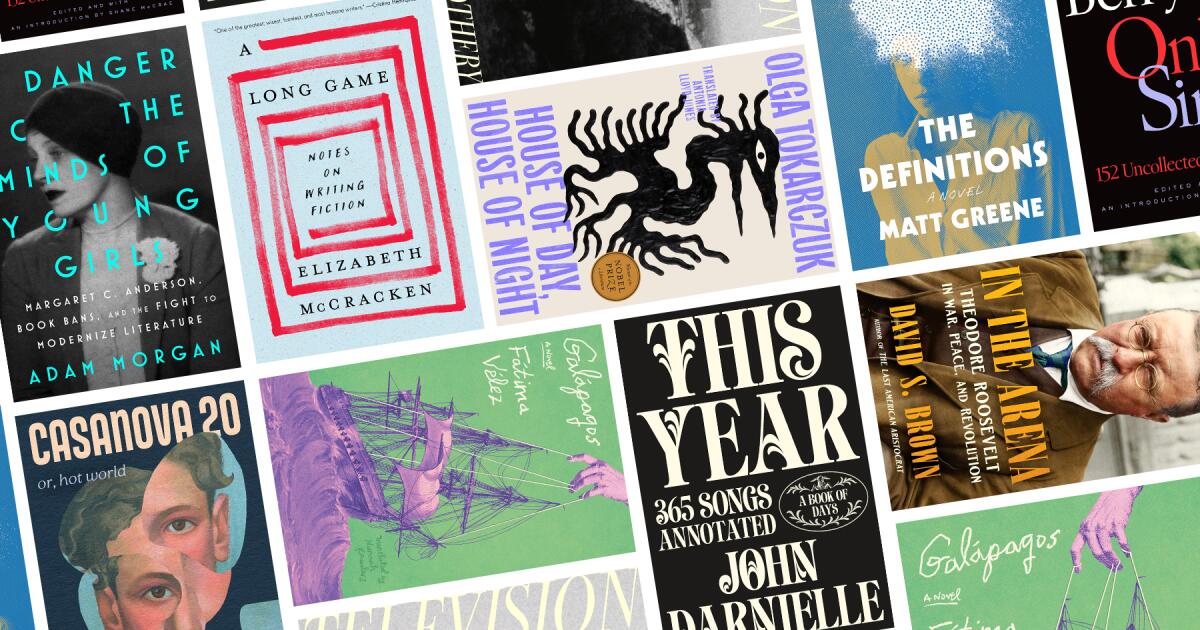
10 books for your December reading list
If you buy books linked on our site, The Times may earn a commission from Bookshop.org, whose fees support independent bookstores.
With apologies to T. S. Eliot, December might be the cruelest month — at least for publishing. As imprints focus on awards season and holiday sales, several of this month’s best titles are out as paperback releases. Never fear, readers; these soft-covers deliver great plots and will also leave room in your budget for the best kind of gifts: more books! Happy holiday reading.
FICTION
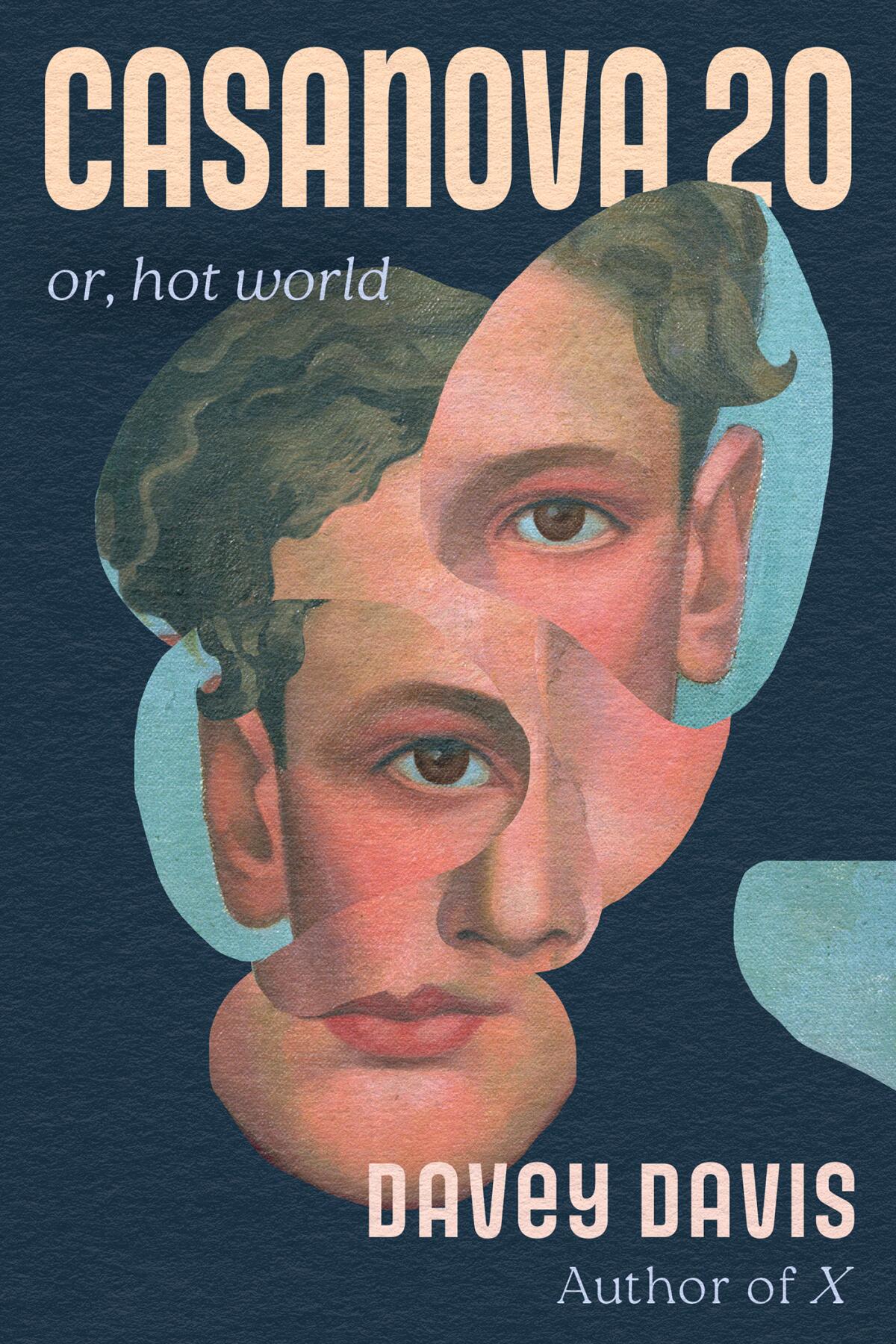
Casanova 20: Or, Hot World: A Novel
By Davey Davis
Catapult: 304 pp., $18
(Dec. 2)
What if you were so beautiful you could seduce anyone, but lost that allure? Would you sink into depression, or would you seek a new path through the world? Adrian, at the end of his 20s with countless “friends” of all genders, exits the global pandemic with his mojo gone. The one person who loves him platonically, Mark, is older, ill, and living across the country. Together they grapple with how to be seen in a society that ignores so many of us.
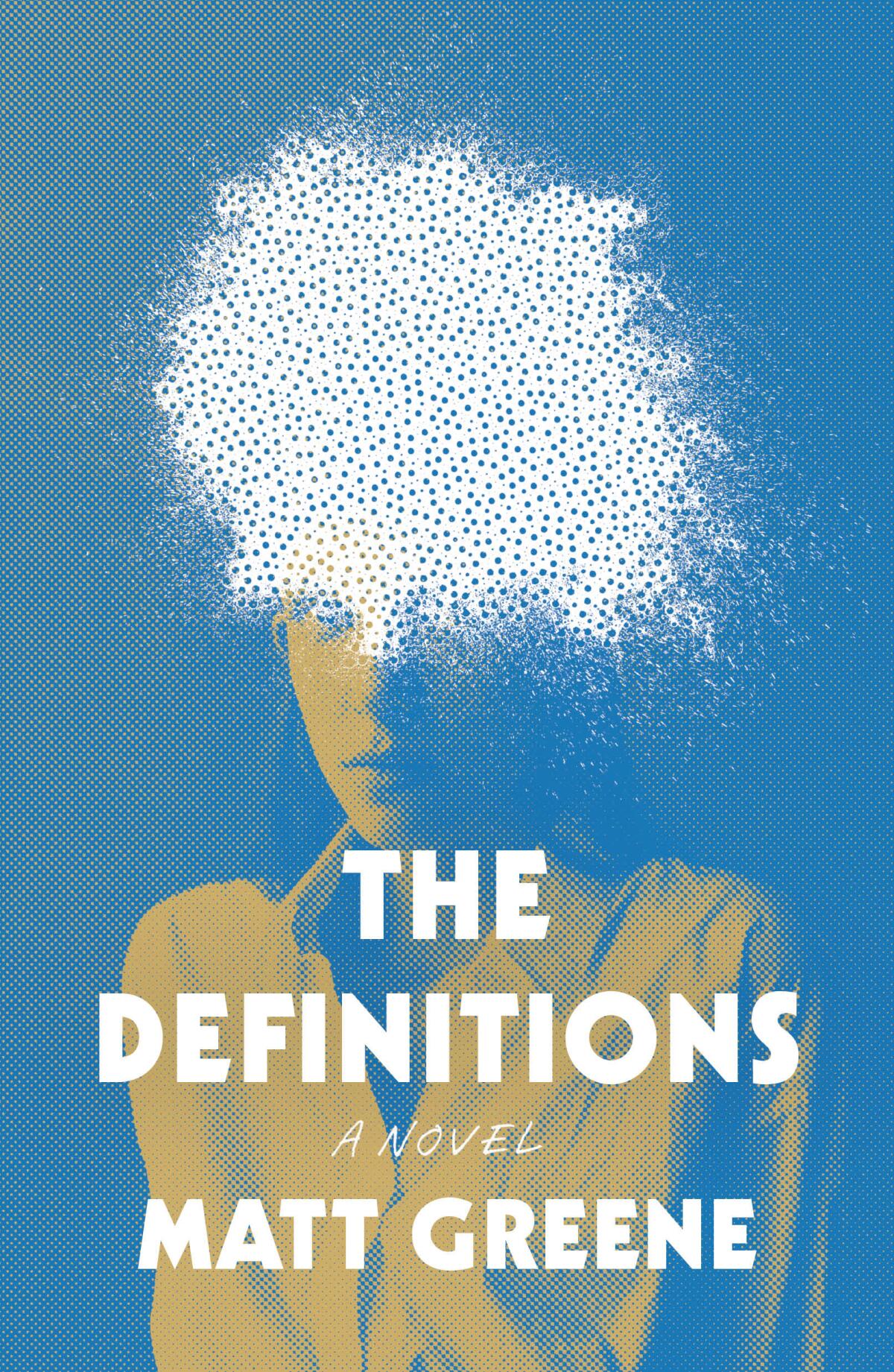
The Definitions: A Novel
By Matt Greene
Henry Holt: 176 pp., $18
(Dec. 2)
“We tell ourselves stories in order to live,” said Joan Didion famously, and in Greene’s new dystopian novel, survivors of a neurological virus have lost the ability to define words, let alone tell stories — they’re in a place known as “The Center” but have no memories. The tension derives not from further illness or uprising, but from the absolute unrecognizability of a world where meaning exists only in fleeting moments and can rarely be shared.
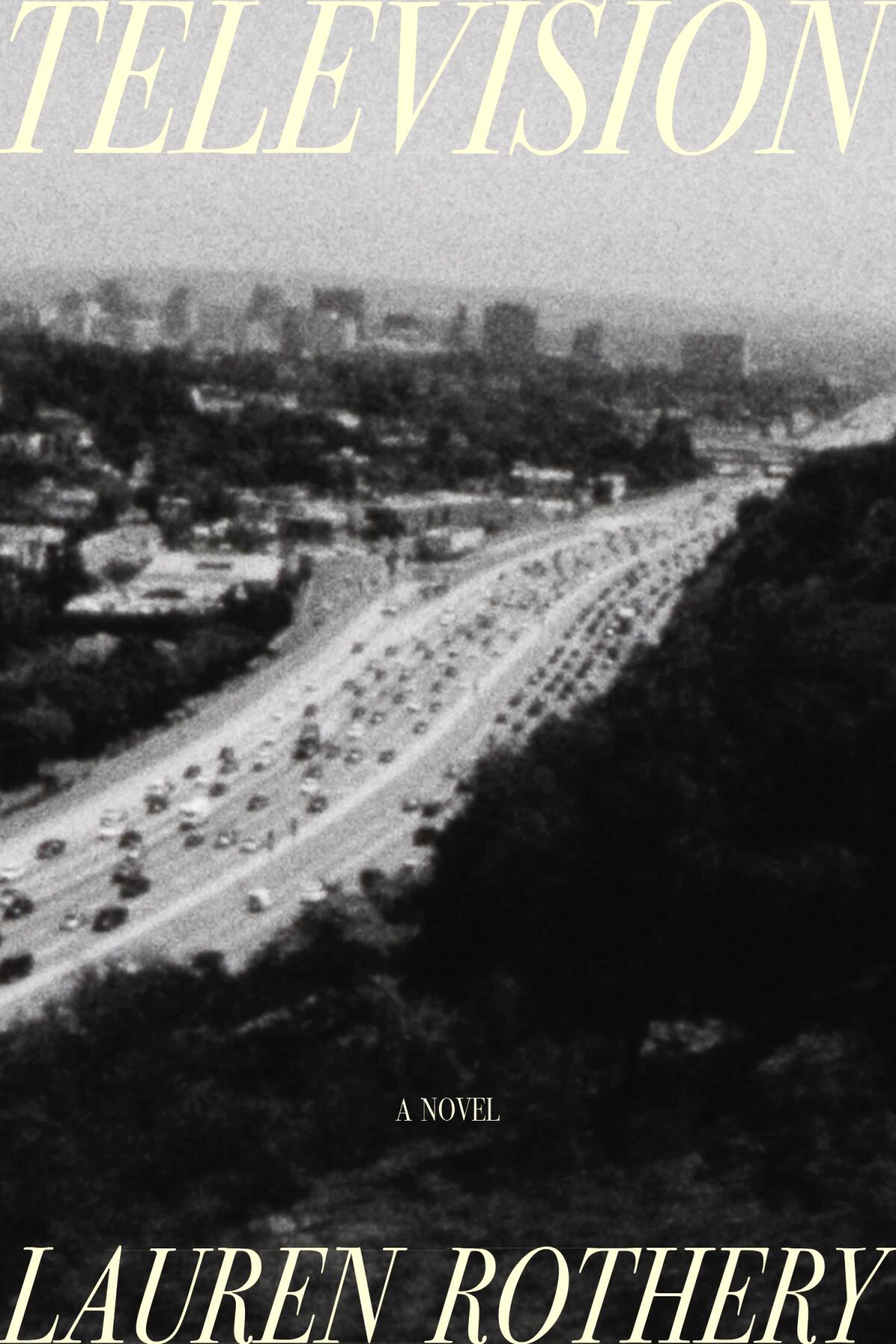
Television: A Novel
By Lauren Rothery
Ecco: 256 pp., $28
(Dec. 2)
Rothery, a filmmaker, started writing short stories during the pandemic, and now in her stylish debut novel focuses on the town she knows best, Los Angeles (the cover photograph is a still from one of her movies). Verity, an irascible but hugely successful aging Hollywood star, alternates narration with his younger best friend Helen in a story involving an aspiring scriptwriter named Phoebe. Pay attention, carefully, to what inspires the title.
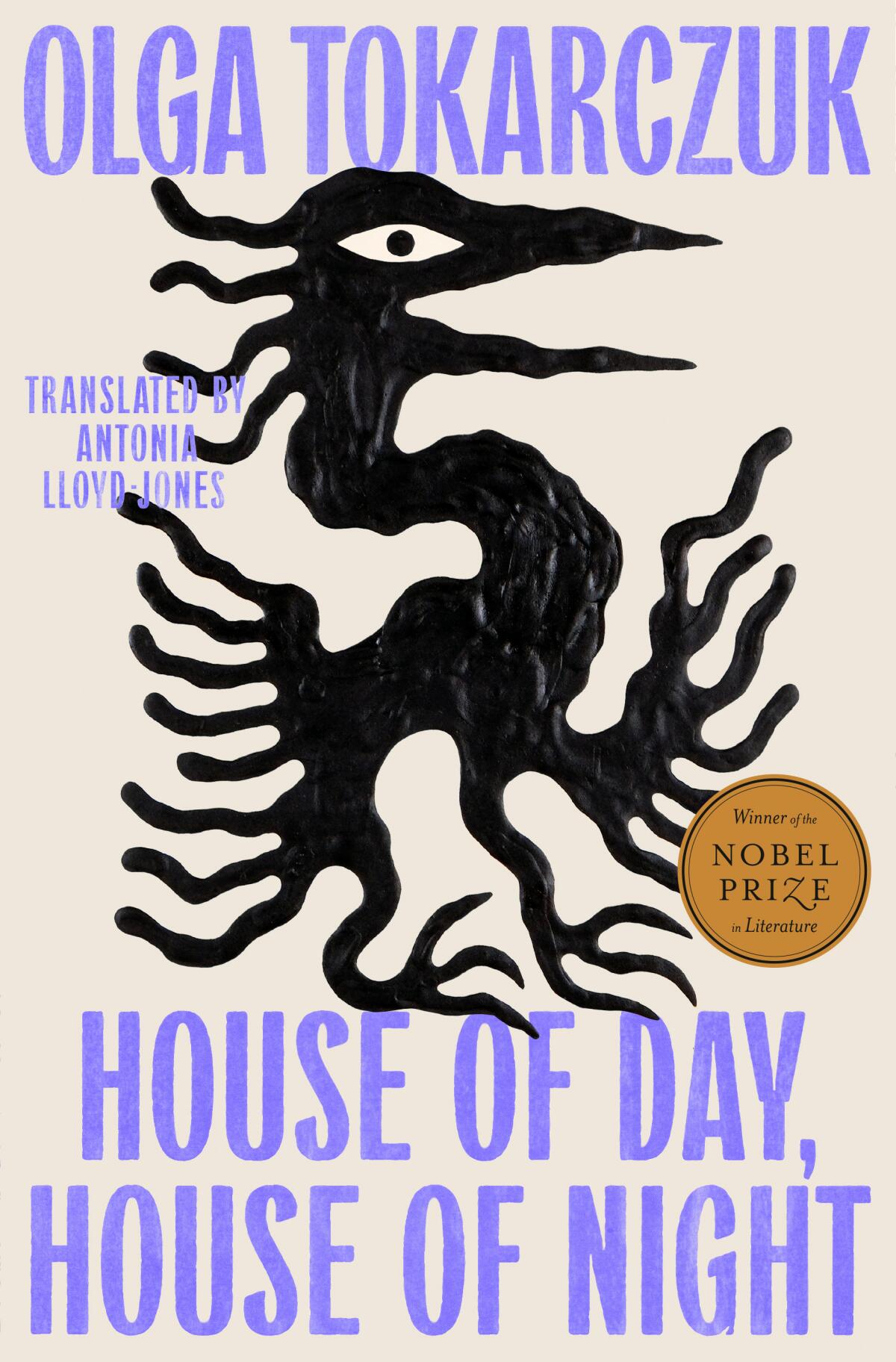
House of Day, House of Night: A Novel
By Olga Tokarczuk
Riverhead: 336 pp., $28
(Dec. 2)
First published in 1998, this early gem from Nobel Prize winner Tokarczuk takes place in Silesia, a region of Poland close to the Czech Republic and influenced by its Bohemian culture. Like the author’s more recently acclaimed “constellation,” or spread-out novels, “House of Day” includes vignettes with her obsessions — mushrooms, dreams, deaths — and multiple, vivid characters living in a single village.
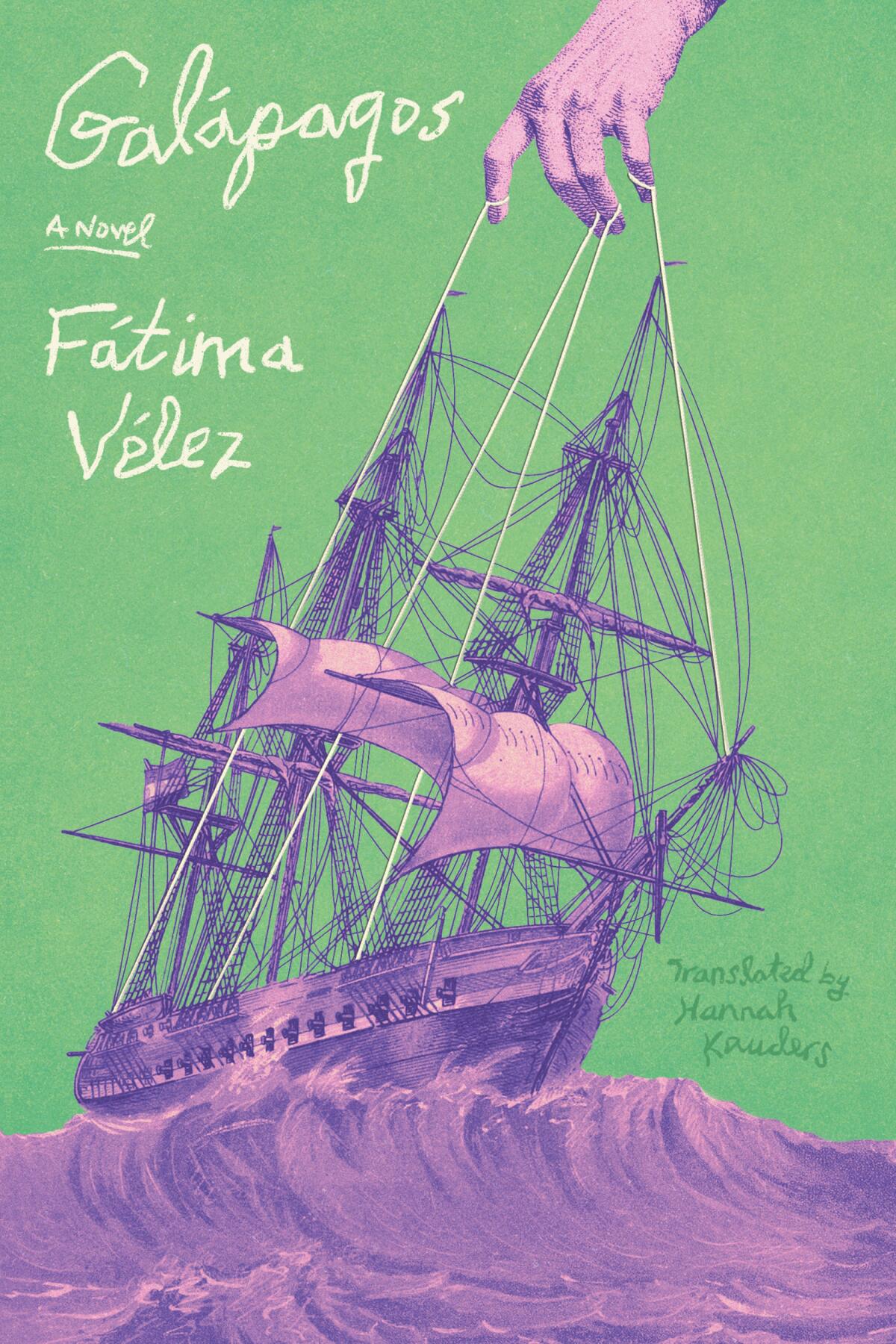
Galápagos: A Novel
By Fátima Vélez
Astra House: 208 pp., $22
(Dec. 2)
Colombian writer Vélez debuts with a story that winds up on a ship full of dying artists. The never-named illness (clearly HIV/AIDS) retains the vocabulary and symbolism of a plague narrative. The queer friends aboard in 1992, including painter Lorenzo and his partner Juan B., know that they’re never going to disembark. Instead, Decameron-style, they tell stories about their past lives and looming deaths, with grotesque details heightening urgency.
NONFICTION

In the Arena: Theodore Roosevelt in War, Peace, and Revolution
By David S. Brown
Scribner: 496 pp., $31
(Dec. 2)
Theodore Roosevelt believed life should take place “in the arena” where creation and conflict occurred, which historian Brown (“A Hell of a Storm”) demonstrates to be Roosevelt’s own milieu, whether on foot, in the saddle, or occupying the Oval Office. Fortunately, the author isn’t writing a hagiography. He portrays our 26th president fully, covering his maverick spirit as a soldier and statesman, but also the lifelong racism that influenced some of his policies.
This Year: 365 Songs Annotated: A Book of Days
By John Darnielle
MCD: 560 pp., $36
(Dec. 2)
Founder and sole member of The Mountain Goats, singer-songwriter Darnielle is also a novelist (“Devil House,” e.g.) and now, definitely a poet: The lyrics tied to a year’s worth of sunrises and sunsets range from unexpectedly tender to horrifically sad. The beauty of the collection is that each entry, while varying in quality, feels authentic — wrung with pleasure or pain from this wildly talented artist’s commitment to life on earth.
A Long Game: Notes on Writing Fiction
By Elizabeth McCracken
Ecco: 208 pp., $27
(Dec. 2)
The Story Prize-winning McCracken knows a lot about writing fiction, but think of her new title less as a craft book and more as a guidebook for first-time tourists and seasoned travelers alike. The author reminds us all that “no process is wrong that leads to the first draft of a book.” Or, as McCracken once said of bowling: “I like the fact that it’s difficult, impossible to perfect, but people are really devoted to it.” This volume is all strikes, no spares.
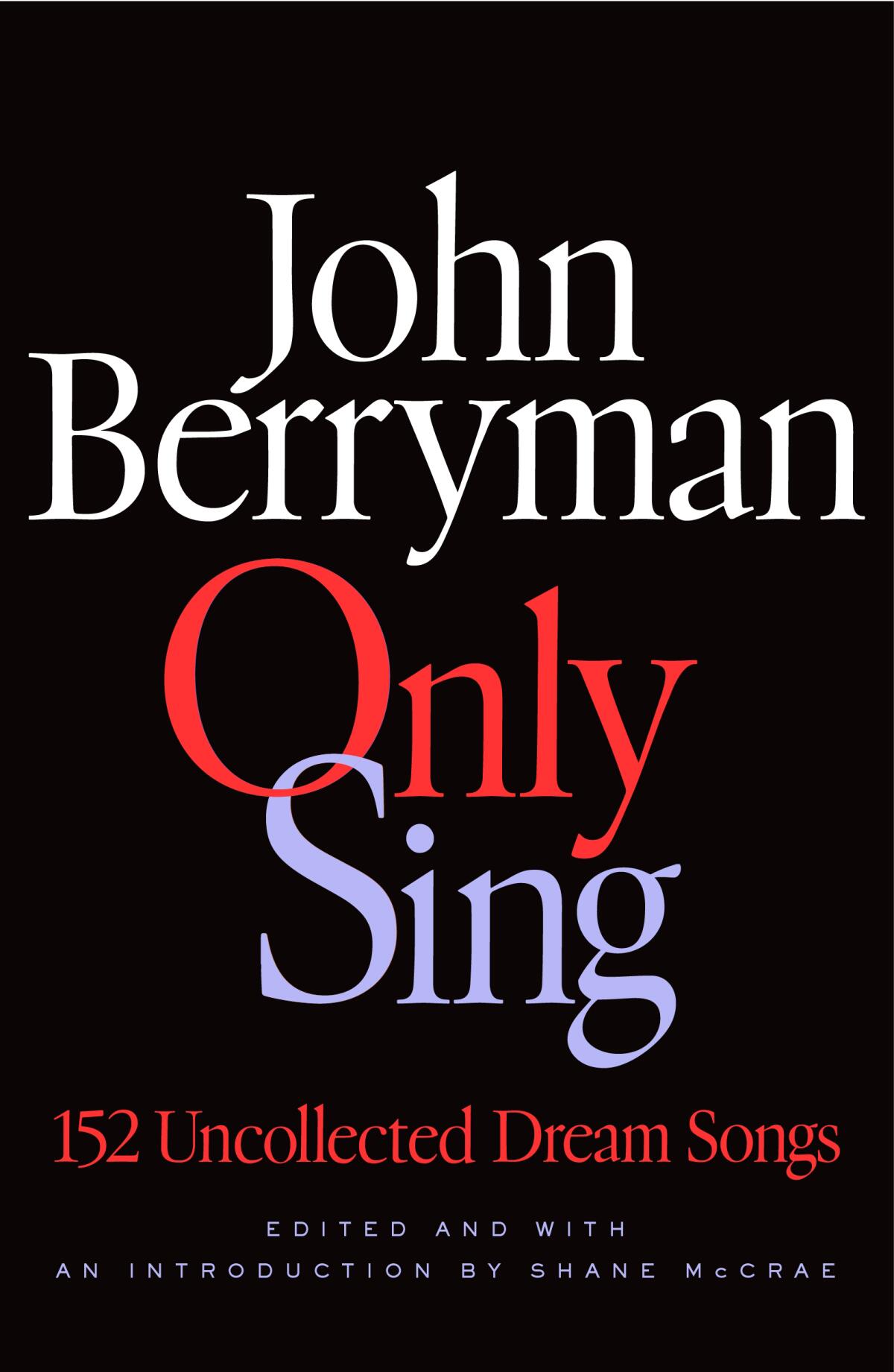
Only Sing: 152 Uncollected Dream Songs
By John Berryman
Farrar, Straus and Giroux: 192 pp., $28
(Dec. 9)
Berryman’s “77 Dream Songs” won the 1965 Pulitzer Prize for Poetry. To read these unpublished dream songs 60 years later feels like finding treasure and acknowledging that you like the rough-cut gems as much as the polished ones. Henry, the great poet’s alter ego, reappears in all his ambiguity and confusion, an all-American, unremarkable, yet observant “unheroic hero” in the words of Shane McCrae, who writes the Introduction to this collection.
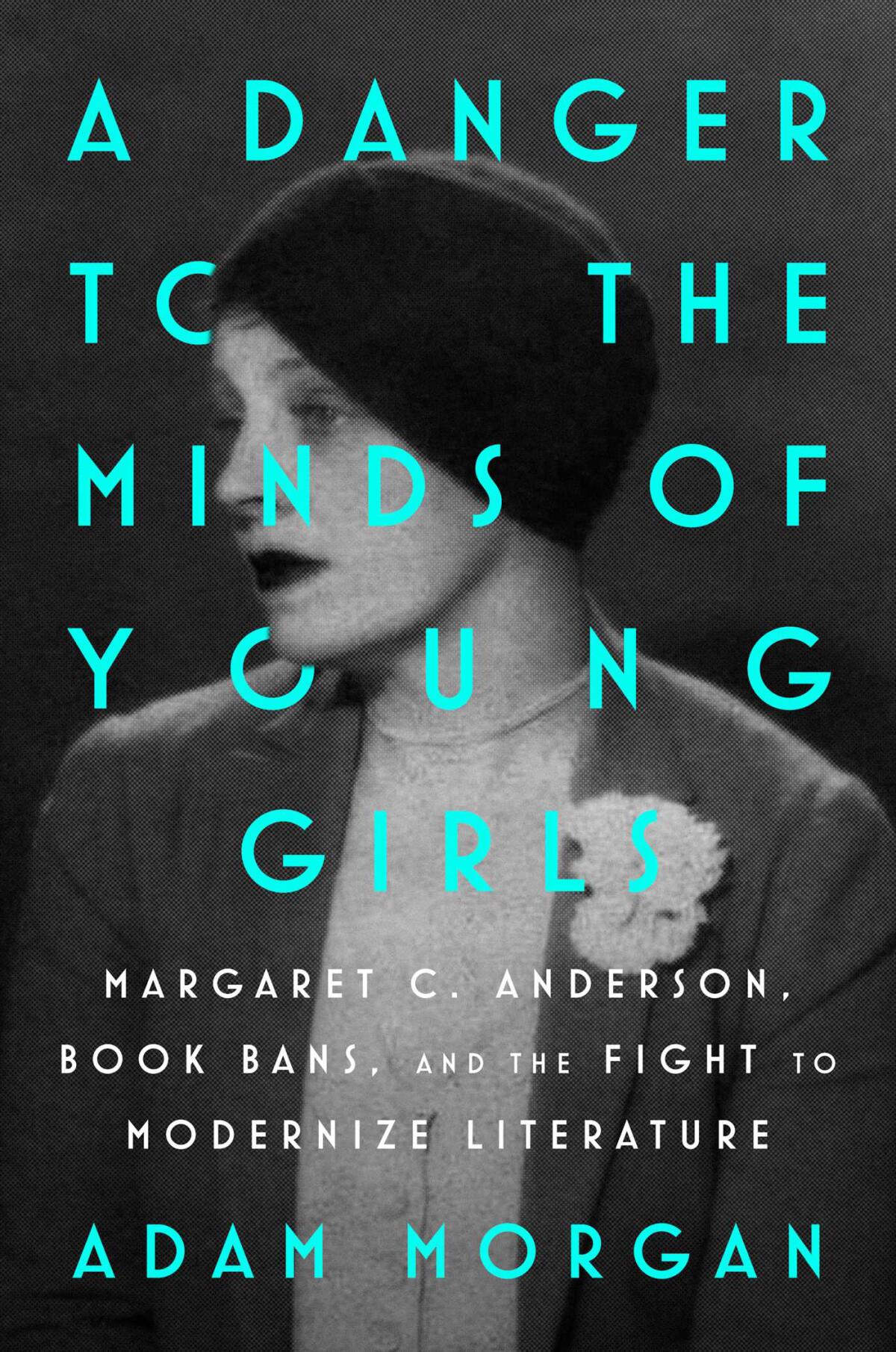
A Danger to the Minds of Young Girls: Margaret C. Anderson, Book Bans, and the Fight to Modernize Literature
By Adam Morgan
Atria/One Signal: 288 pp., $29
(Dec. 9)
Anyone who pigeonholes another person should be told the story of Margaret C. Anderson, a privileged Midwesterner who was also queer and radical and without whom we might not be reading Djuna Barnes, James Joyce, and T. S. Eliot (among others) today. Anderson founded “The Little Review” in Chicago in 1913 and nurtured it into a publication that moved to New York and Paris — and played a part in the infamous “Ulysses” obscenity trial.