
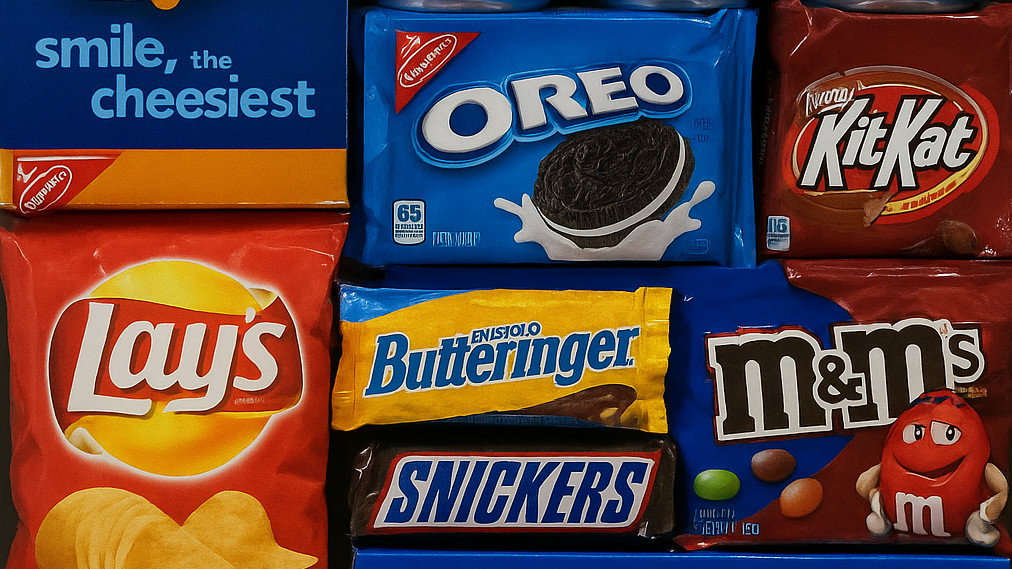
Landmark lawsuit accuses top brands of knowingly creating addictive, disease-linked foods
City compares tactics of food giants to Big Tobacco’s historic deception
Officials say companies must help offset billions in health care costs
San Francisco City Attorney David Chiu has filed a potentially groundbreaking lawsuit against 10 of the nation’s largest food manufacturers, accusing them of engineering and marketing ultra-processed foods that have fueled a nationwide health crisis. The defendants include Kraft Heinz, Mondelez, Post Holdings, Coca-Cola, PepsiCo, General Mills, Nestlé USA, Kellogg, Mars, and ConAgra.
“These companies created a public health crisis with the engineering and marketing of ultra-processed foods,” Chiu said at a Tuesday press conference. “They took food and made it unrecognizable and harmful to the human body… These companies engineered a public health crisis, they profited handsomely, and now they need to take responsibility.”
Mayor Daniel Lurie joined Chiu in supporting the lawsuit, calling it an effort to ensure that “San Francisco families deserve to know what’s in their food” and “aren’t misled about the products in our grocery stores.”
What makes ultra-processed foods different
The city’s complaint argues that ultra-processed foods—ranging from sodas and chips to boxed macaroni, processed meats, and breakfast cereals—pose unique health risks beyond their high sugar or fat content. These products are industrially reconstituted mixtures of additives, emulsifiers, flavor enhancers, and chemically modified ingredients designed to boost cravings and consumption.
According to the lawsuit, these foods now make up about 70% of the U.S. food supply, giving the illusion of consumer choice while fueling chronic disease.
Health toll tied to engineered foods
Public health officials say the shift toward ultra-processed foods has coincided with sharp increases in obesity, diabetes, colorectal cancer, heart disease, and depression. San Francisco Health Director Daniel Tsai called the lawsuit “a critical step toward protecting the health of our communities,” noting that low-income and minority populations have been hit hardest by aggressive marketing.
UCSF physician Dr. Kim Newell-Green added that research now links these products to “serious diseases—including Type 2 diabetes, fatty liver disease, heart disease, colorectal cancer, and even depression at younger ages.”
Big Tobacco’s influence on Big Food
The complaint draws direct parallels to the tobacco industry, which entered the food business in the 1960s when companies like Philip Morris and RJ Reynolds bought up major food brands. San Francisco alleges those corporations transferred their knowledge of addiction science to the food sector, deliberately crafting products—and marketing campaigns—designed to hook consumers, especially children.
By the 1990s, internal Kraft documents showed the company’s “Kids Task Force” boasting that its promotions reached 95% of U.S. children ages 6–12. The lawsuit also cites marketing campaigns that disproportionately targeted Black and Latino children, who see 70% more ads for ultra-processed products than white children.
Industry knew the dangers, suit alleges
City lawyers say executives had “actual knowledge” of the harm decades ago. In 1999, top leaders from Kraft, Pillsbury, and other major food companies met to discuss the mounting health crisis caused by their products. When a Kraft vice president warned that the industry’s tactics were inflicting a public health toll “rivaling that of tobacco,” his warnings were ignored.
Despite these warnings, the companies continued to push increasingly addictive foods, the lawsuit states.
Financial fallout and local impact
Health care costs linked to diet-related diseases have soared. U.S. health expenditures now account for nearly 20% of GDP, and by 2031 could hit $7 trillion. San Francisco alone spends billions each year on Medi-Cal, employee benefits, and public health programs, with diabetes alone responsible for $85 million in hospital charges in 2016.
Supervisor Shamann Walton, who joined the announcement, said the city will also examine its own food purchasing practices. “For decades, our communities have paid the price for an industry that put profit ahead of people,” Walton said.
Legal aims and next steps
Filed in San Francisco Superior Court, People of the State of California v. Kraft Heinz Company, Inc., et al. alleges violations of California’s Unfair Competition Law and public nuisance statute. The city seeks injunctions against deceptive marketing, restitution, and civil penalties to help offset health care costs.
Law firms Andrus Anderson, DiCello Levitt, and Morgan & Morgan are co-counsel on the case. DiCello Levitt partner Diandra “Fu” Debrosse said, “San Francisco is leading the way in holding corporations accountable for engineering a public health crisis.”
A precedent-setting case
“This litigation is about more than accountability,” said Jennie Lee Anderson of Andrus Anderson LLP. “It’s about giving San Francisco the tools to protect its residents for generations to come.”
City officials say they hope the lawsuit will set a national precedent—much as states’ tobacco lawsuits did a generation ago—by forcing food giants to face the costs of a crisis they helped create. The landmark class-action settlement for the tobacco industry — the Tobacco Master Settlement Agreement (MSA) — committed major U.S. cigarette manufacturers to pay the states an estimated US$206 billion over the first 25 years.