
Associated Students together with Cal State Fullerton Capital Planning and Facilities Management and the architectural firm LPA Design Studios have started a feasibility study for the development of the ASI Wellness Initiative.
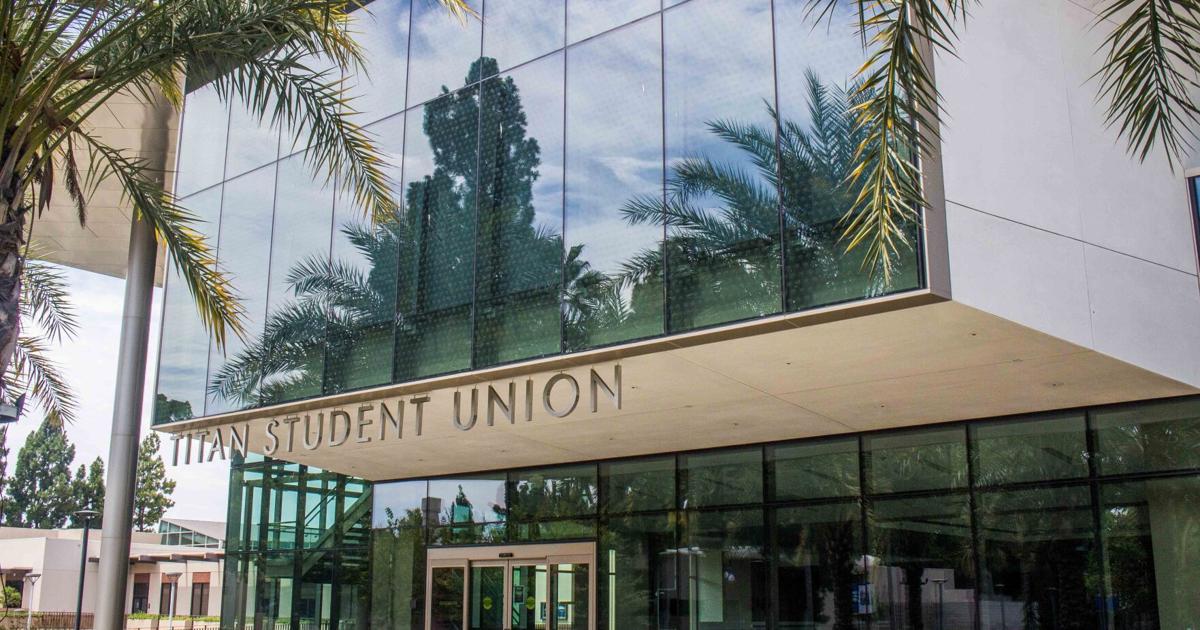
According to ASI’s Director of Organizational Communication and Outreach Christina Cardenas, the study is phase one of the project. It will settle a roadmap for the development of the Wellness Center, updating Basic Needs services and expanding the Student Recreational Center and the Titan Student Union.
At first, ASI had the help from consulting firm Brailsford and Dunlavey which, according to Cardenas, helped with “student outreach and program and facility concepts,” but they’re no longer part of the planning process.
To remain on schedule, they’re aiming to finish the study by the end of spring semester, in time to move on to phase two in 2026-27, which consists of centralizing the Basic Needs Center and begin designing the SRC and TSU renovations and the construction of the Wellness Center.
The centralization of the Basic Needs in one location will bring the ASI food pantry, CSUF Basic Needs service office, Tuffy’s Career Closet and CalFresh assistance to one place while also adding a teaching kitchen, cold storage lockers and a laundry facility.
A location for the Wellness Center is yet to be determined through the study, but ASI is in the early stages of hiring a “wellness director” who will work under the direction of the Chief of Organizational Operations and over time will hire and manage wellness-focused staff. A project manager position and additional student staff will be added in the near future.
According to the position description, the director will be responsible for “the strategic development, implementation, and management of comprehensive ASI wellness programs” while encompassing the eight dimensions of wellness — “physical, emotional, social, spiritual, environmental, intellectual, financial, and occupational.”
New staff and student positions were added to the management of the Student Union Fee to support the increase in ASWI student programs including a new program coordinator, office coordinator and four new student positions.
According to the ASI Annual Budget report, the expense budget increased 15% — $650,000 — due to new ASWI programs.
“These investments ensure long-term financial stability for student services while simultaneously bolstering student engagement, leadership development, and campus connectivity that will shape the Titan experience for generations to come,” the report reads.
ASI has two funds, the Associated Student Body and the Campus Union Fee. Student Programs and Engagement, which are usually under the AS budget, will now be funded by the Campus Union Fee, resulting in a 6% decrease in the AS budget revenue.
Besides short-term budget plans, ASI includes long-term expenses in the budget, which includes a SRC bond payment scheduled to be paid out in 2041.
The revenue projection from the Campus Union Fee for 2025-2026 is around $18,471,259.
The ASI Wellness Initiative was approved in March. The project is being funded by a four-year semesterly increase in student fees, which will provide additional scholarships, Club Inter-Council funding, an additional fall concert and other ASI programs.
Additional programs include Beyond the Conversation, ASI Carnival, Association for Inter-Cultural Awareness, ASI Esportes competitions and All Day ASI. According to the annual budget report, around 38,879 students attend the events and over 130 events happened in the past year.
The Wellness Center construction costs are estimated to be approximately $102 million and renovation costs $208 million.