
The San Diego Police Department has every reason to be proud of its success on the most basic metric of all: fighting crime. San Diego has long been one of the safest large cities in the nation.
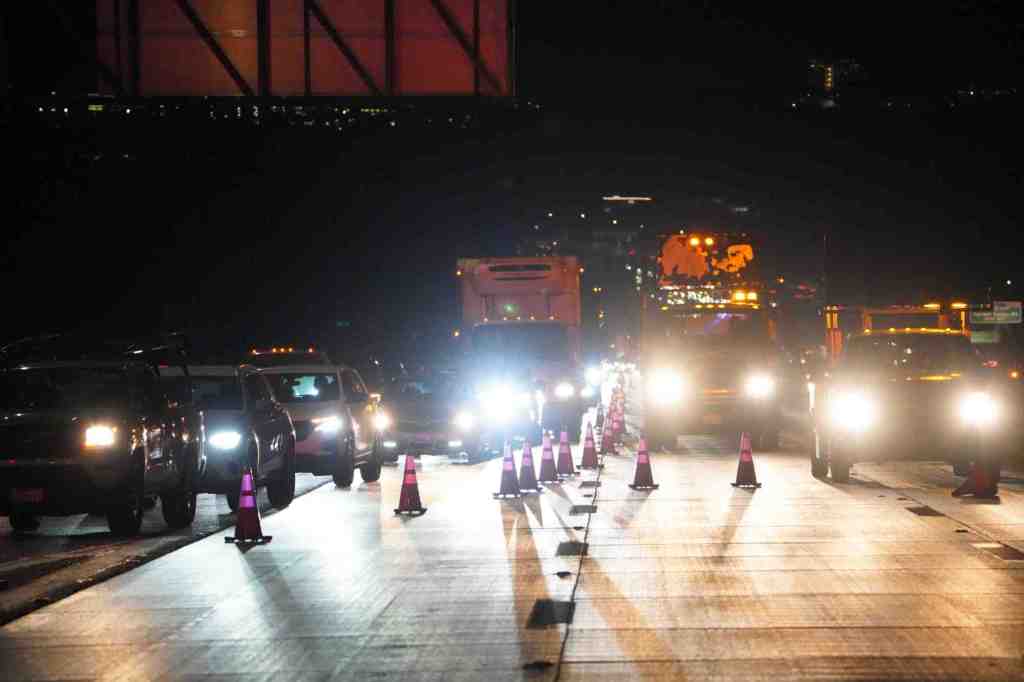
But the events of Dec. 5 could hang over the agency for years. The decision to close Interstate 5 at Del Mar Heights Road for eight hours as police talked with a suicidal man who threatened to jump off a bridge above the freeway created a nightmare for hundreds of thousands of people. It also produced a sharp backlash from residents who pointed out the decision didn’t just inconvenience so many people, it actually created a risk to public health and safety that went far beyond the well-being of a single troubled individual. A UTC resident whose letter to the editor was posted Thursday wrote about the anxiety she faced after she was stuck in traffic for 2.5 hours during a medical emergency, albeit a non-life-threatening one.
Yet in a U-T article printed Wednesday, SDPD showed no awareness of the risk it had created. “If a similar situation occurred again, officials said they’d respond the same way,” the report noted. A spokesperson even characterized the handling of events as being motivated by the desire “to ensure the safety of everyone involved.”
Really? If Mayor Todd Gloria and Police Chief Scott Wahl agree, perhaps they should familiarize themselves with the evidence that lengthy freeway closures are a health risk to those stuck in traffic as a result — and not just to sick people unable to get to the doctor or the emergency room.
In 2008, German researchers found a strong nexus between heart attacks and prolonged time stuck in traffic, which can raise blood pressure and decrease blood flow to the heart. “Sitting in traffic jams is officially bad for you,” was a ScienceDaily headline in 2016, citing research that linked exposure to fine particulate matter in air pollution to respiratory problems, including severe asthma attacks and pneumonia. In March of this year, the AirDoctor website detailed how drivers and passengers who were stalled in traffic for hours at a time faced heightened risks of cognitive damage and problems with their central nervous system.
This is not to say police should have ignored the suicidal man on Dec. 5. It is to say that when a freeway shutdown reaches a certain length of time — perhaps 90 minutes or two hours — the calculation in how police respond may need to change. Attempts to decisively intervene should be more actively considered.
In 2024, for example, Michigan State Police responded to a man sitting on the edge of a highway overpass by having several officers talk with the man and implore him to back away, while another officer snuck up behind him, grabbed him and pulled him to safety.
In 2013, for another example, the CHP tasered a man who was hanging from the edge of a freeway overpass near Fresno, causing him to fall about 15 feet into an air cushion set up by officers.
These were appropriate actions, not controversial ones. In its regular commentaries on critical issues in policing, the Police Executive Research Forum — akin to a law enforcement think tank — constantly emphasizes the need for chiefs and sheriffs to avoid getting stuck in policy ruts and to think about how they can maximize public safety.
What happened on Dec. 5 did not maximize public safety. This is a rut the SDPD needs to leave behind.