
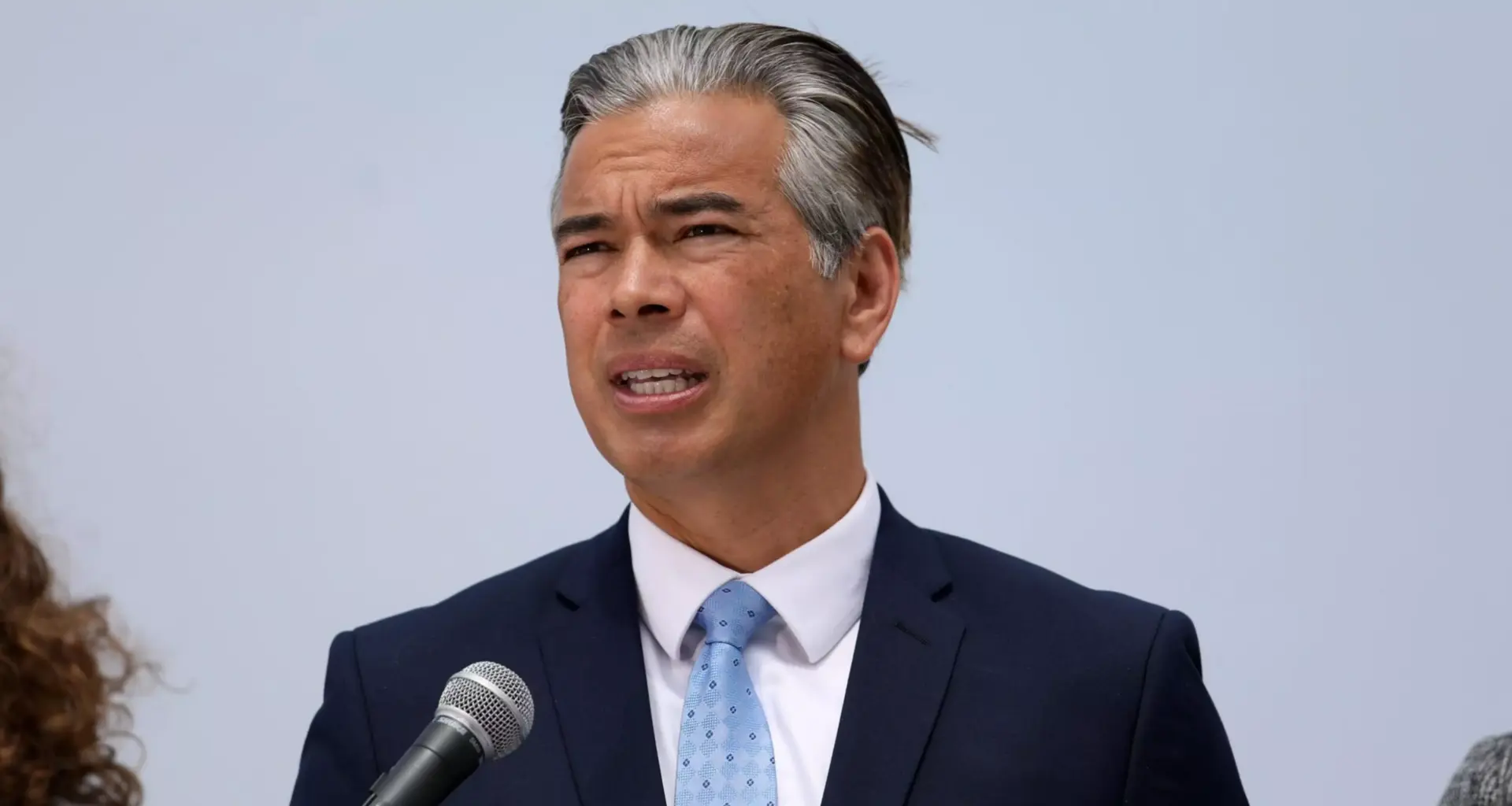
California Attorney General Rob Bonta on Friday announced that he is suing the Trump administration over its new policy of imposing a $100,000 fee on H-1B visa petitions, describing it as an illegal barrier that will worsen labor shortages in education and healthcare.
The lawsuit, filed in federal court by several states, challenges the fee announced by Trump in a Sept. 19 presidential proclamation. The coalition argues that the fee violates the Administrative Procedure Act and the U.S. Constitution by bypassing required rule-making procedures and exceeding congressional authority.
“President Trump’s illegal $100,000 H-1B visa fee creates unnecessary — and illegal — financial burdens on California public employers and other providers of vital services, exacerbating labor shortages in key sectors,” Bonta said in a statement touting the importance of the world’s fourth-largest economy. “The Trump administration thinks it can raise costs on a whim, but the law says otherwise.”
The H-1B visa program allows employers to hire highly skilled foreign workers in specialty occupations that require at least a bachelor’s degree. Employers typically pay between $960 and $7,595 in fees for initial petitions. The $100,000 fee represents an increase of more than 1,200%.
The lawsuit alleges that the fee far exceeds processing costs and was imposed without the notice-and-comment period required by federal law. It also raises concerns that enforcement could be applied selectively against employers disfavored by the administration.
Listen toThe Standard Podcasts
Pacific Standard TimeWednesday, Nov. 19

Pacific Standard TimeWednesday, Dec. 3

California officials say the fee would devastate public institutions that rely on foreign workers to fill critical positions. Educators represent the third-largest occupation for H-1B visa holders; there are nearly 30,000 working under the program nationwide. In the 2024-25 school year, 74% of U.S. districts reported difficulty filling positions, particularly in special education, sciences, ESL instruction, and foreign languages.
Healthcare institutions face similar challenges. Nearly 17,000 H-1B visas went to medical workers in fiscal 2024, half of them to physicians and surgeons. Without foreign-trained doctors, the nation faces a projected shortfall of 86,000 physicians by 2036, Bonta said.
“We are going to court to defend California’s residents and their access to the world-class universities, schools, and hospitals that make Californians proud to call this state home,” Bonta said.
The lawsuit adds to an extensive legal campaign by Bonta’s office against the Trump administration. Since January, the California Department of Justice has filed 48 lawsuits challenging federal actions on issues that include birthright citizenship, voting rights, education funding, and public health grants.
Bonta’s office reports securing approximately $168 billion in restored funding through litigation and winning early relief in 17 of 19 cases in which it was sought. Recent victories include blocking the administration’s attempt to withhold more than $900 million in education funding and restoring $300 million for electric vehicle infrastructure.
Congress caps most private-sector H-1B visas at 65,000 annually, with an additional 20,000 for workers with advanced degrees. Government and nonprofit employers are exempt from the cap — a provision the coalition says reflects congressional intent that the program serve public institutions.