
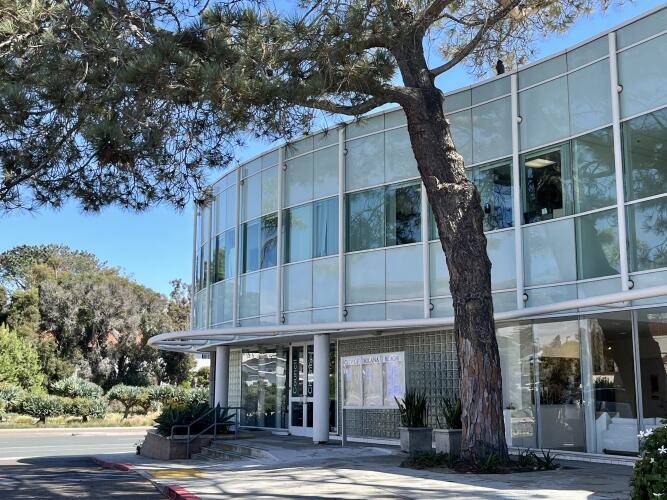
The Solana Beach City Council unanimously approved a resolution on Dec. 10 in opposition to new offshore drilling, following a proposed Trump administration plan to issue new drilling leases off the west coast.
The council’s resolution is the latest show of opposition by local governments to more offshore drilling leases. The San Diego County Board of Supervisors approved a similar resolution on Dec. 9.
New leases have not been issued for state waters since the 1969 Santa Barbara oil spill, and there haven’t been new leases in federal waters since the 1980s.
Under the proposed plan, there would be an expansion of offshore drilling along the West Coast from 2026 to 2031. Doug Burgum, secretary of the interior, said in a statement it will ensure “that America’s offshore industry stays strong, our workers stay employed, and our nation remains energy dominant for decades to come.” Opponents are warning of potential environmental disaster without much benefit to the global oil market.
A public comment period is open through Jan. 23.
Solana Beach City Councilmember Dave Zito said he remembers tar balls along local beaches in 2021 after more than 27,000 gallons of crude oil spilled off the coast of Huntington Beach.
“That was in the winter, so fortunately we didn’t have a lot of tourists here,” Zito said. “If something like that happens in the summer, even if it’s a minor spill, it would just devastate our tourism industry. This has no business being in our town.”
U.S. Rep. Mike Levin, D-San Juan Capistrano, has also spoken against the Trump plan. In April, he introduced a bill to ban offshore drilling in California, but it has not yet had a committee hearing.
The Solana Beach City Council adopted a resolution against offshore drilling in 2018, when the first Trump administration wanted to expand it in federal waters.
“Offshore drilling and ocean mining endangers our beaches, our economy, and the people and wildlife who enjoy and rely on them,” Solana Beach City Councilmember Jewel Edson said. “Protecting our coast is a bipartisan issue.”