
By Shaye Wolf, Special for CalMatters

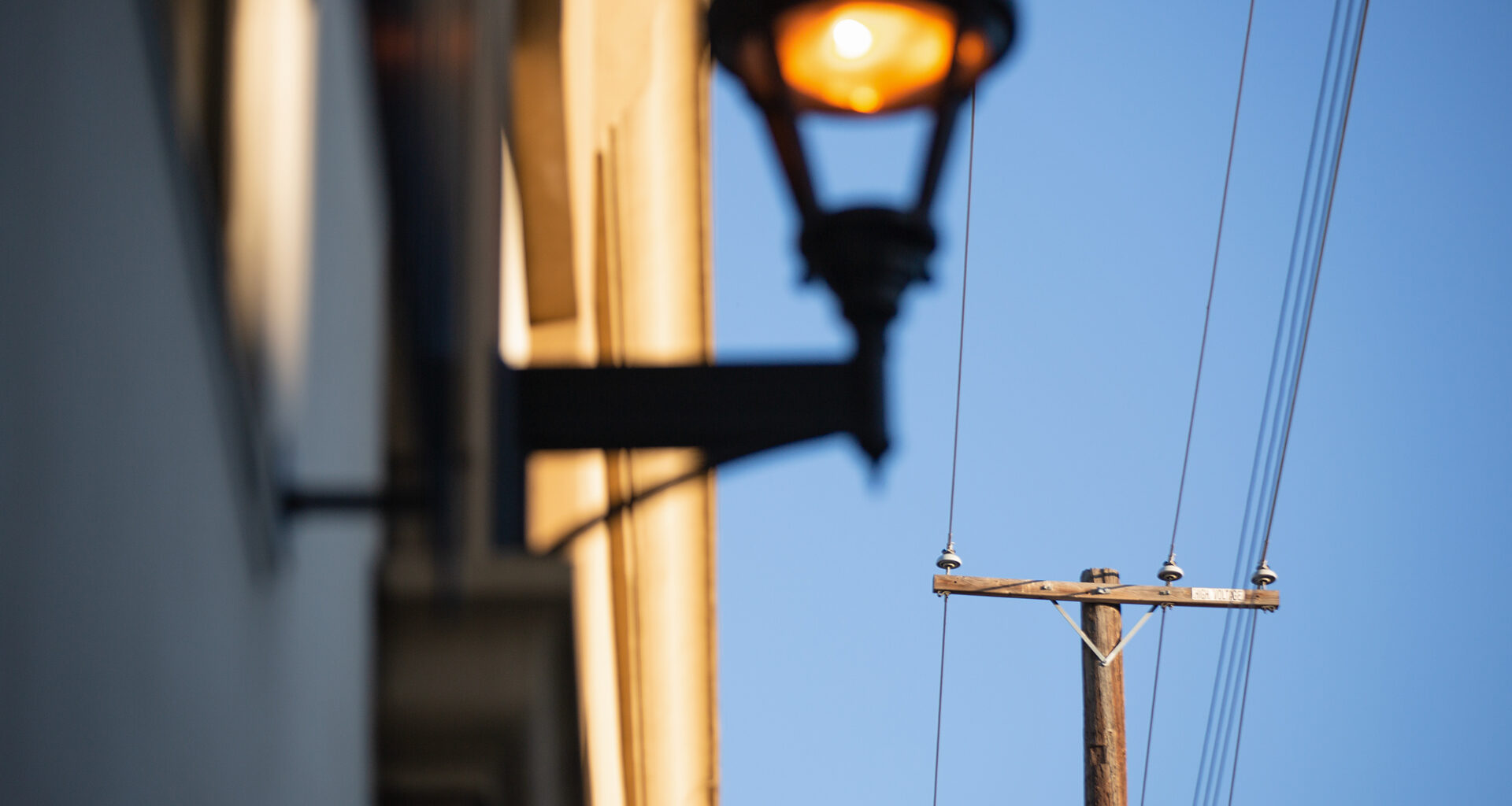
Power lines in Sacramento on Sept. 20, 2022. Photo by Rahul Lal, CalMatters
This commentary was originally published by CalMatters. Sign up for their newsletters.
Guest Commentary written by
California’s most expensive electricity source is finally poised to lose a government handout that props up its high costs and harmful pollution. In an era of clean, cheap solar and wind energy, policymakers are rightly beginning to treat biomass energy like the boondoggle it is.
Biomass energy — electricity made by burning or gasifying trees — is an expensive, dirty relic that relies on industry misinformation and taxpayer money.
In a vote later this month, the California Public Utilities Commission is expected to end the BioMAT subsidy program, which requires electric utilities to buy biomass power at exorbitant costs — four times the average. Californians get hit with those extra costs in our power bills, along with pollution that harms our health and climate.
Utilities and environmental groups support ending this costly subsidy.
But the biomass industry is fighting back with misleading claims that its projects are made clean by “new” technology or that they’re needed for wildfire safety. Don’t be fooled.
Burning trees to make electricity harms the climate. In fact, biomass power is more climate-polluting at the smokestack than coal.
Biomass energy releases toxic air pollutants that endanger health, increasing the risk of premature death and illnesses like asthma. The facilities often are located in low-income communities and communities of color that have long fought to shut them down.
It is telling that the biomass industry is rebranding.
It claims it will use “clean” methods to gasify trees instead of burning them. But gasification — which also involves heating organic material — releases large amounts of climate-harming air pollution.
State regulators in May denied a costly biomass gasification project that couldn’t show it would reduce emissions as promised.
The industry also promotes carbon capture and storage, claiming this technology will suck up carbon dioxide from biomass smokestacks and store it underground forever. But carbon capture and storage is a costly, decades-old technology with a long history of failure and serious health and safety risks.
Finally, the industry claims biomass energy projects will help pay for forest thinning, which it says will protect communities during wildfires. That means cutting trees, often large trees, which threatens wildlife and destroys forests, which naturally store carbon and fight climate change.
Thinning isn’t a good way to keep communities safe. Most of the community destruction is caused by wind-driven fires during extreme fire weather, made worse by climate change. The fastest-moving 3% of wind-driven fires is responsible for 88% of the damage to homes.
No amount of forest thinning can stop that. In fact, thinning makes cool, moist forests hotter, drier and more wind-prone, which can make fires burn faster and more intensely.
Most of California’s destructive wildfires — like the Los Angeles area fires in January — have burned in shrublands and grasslands, not forests, making thinning irrelevant in those cases.

A better way to prevent fires
Instead, the best investment for protecting communities during wildfires is hardening homes, so they’re less likely to catch fire, and stopping new development in fire-prone areas. Yet the state has earmarked only 1% of its wildfire funding for home hardening. Most goes to thinning.
Where thinning occurs, it’s most cost-effective to scatter the wood in the forest to create wildlife habitat, retain vital nutrients, and enhance natural carbon storage. If wood must be removed, it can be turned into mulch and shavings. The worst choice is subsidizing biomass companies to make dirty energy.
Any way you look at it, biomass energy is a polluting money pit that won’t solve our climate or wildfire safety problems.
California already has the affordable solutions we need: Clean, cheap solar and wind energy and energy storage to power our state, and home hardening to protect communities from wildfire while growing local economies.
California’s leaders need to embrace these proven solutions and get us out of the expensive, dangerous biomass business.
This article was originally published on CalMatters and was republished under the Creative Commons Attribution-NonCommercial-NoDerivatives license.