
A
CoStar report says the market will benefit from the big game, but it may be more muted than it was 10 years ago.
SAN
FRANCISCO — While the San Francisco hotel market is expected to benefit from
hosting the Super Bowl next February, forecasts are conservative compared to
when the city hosted the event 10 years ago, which highlights the market’s
struggles post-COVID, according to analysis from CoStar.
San
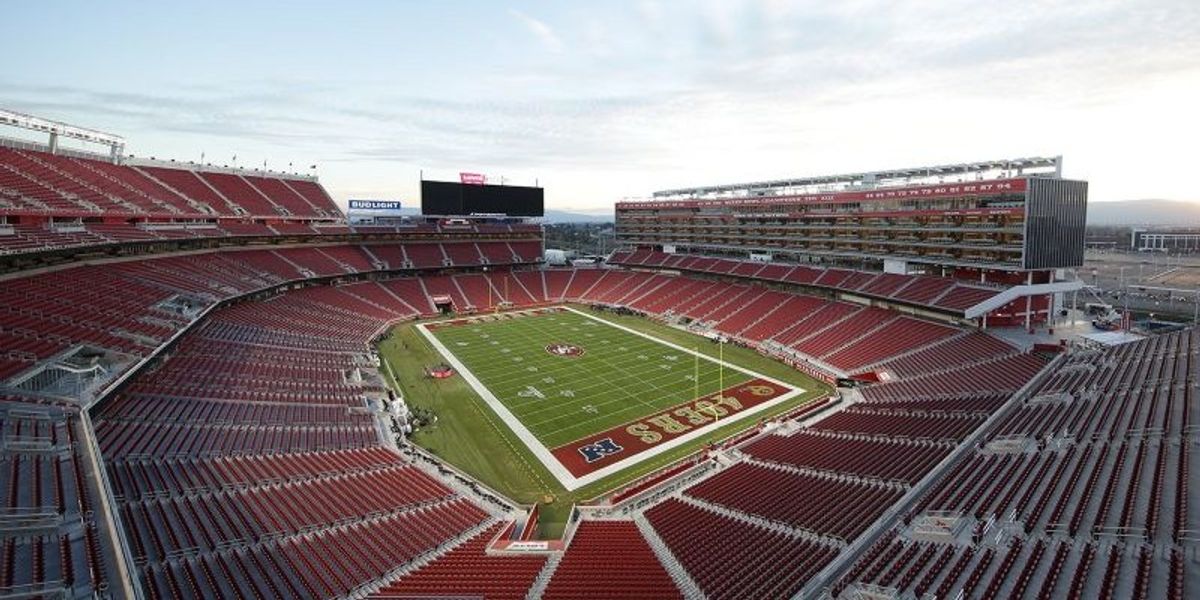
Francisco last hosted the Super Bowl at Levi’s Stadium in Santa Clara,
California, in 2016 and saw a significant lift in hotel performance with a
reported 30% increase in RevPAR ($198), occupancy hitting 81%, and ADR climbing
to $244.36. Those numbers jumped even higher over the weekend of the game in
occupancy (82%), ADR ($453) and RevPAR ($370).

Because
Levi’s Stadium sits about 40 miles from San Francisco’s downtown, the analysis
said nearby cities such as San Jose benefited even more from the Super Bowl,
with the city’s ADR surging 139% the day before the game and RevPAR increasing
162%.
While San
Francisco hotels are expected to deliver strong results in February, the week
of the game, the forecasts have been more muted this year. Room rates are projected to rise 37% year-over-year, which would fuel a 47% RevPAR increase.
That increase would translate to an ADR of $293.69 and RevPAR of $192.81 for
the month. While those numbers would be beneficial, they would reflect a 19%
decrease in occupancy and a 3% decrease in RevPAR compared to 2016, while ADR
would increase by 20%.
San
Francisco has struggled as a market post-COVID. Still, there have been many
signs of optimism this year that the hotel market is starting to rebound after
bottoming out last year, as illustrated by a JLL study earlier this year. The
study showed that the rebound was driven by improved convention center
performance, a resurgence of international demand and big upcoming events. The
burgeoning AI sector in the city also has many experts and investors optimistic
about the city’s hospitality future.

The CoStar
analysis said San Francisco has seen a strong rebound this year and is leading
the top 25 U.S. markets through October year-to-date with impressive gains in
occupancy (+4.9%), ADR (+5.9%) and RevPAR (+11.3%).
The analysis
says supply can also play a key role in occupancy projections. For example, New
Orleans, last year’s Super Bowl host city, saw a 51% RevPAR increase YOY and a
nearly 96% actualized occupancy on game night, resulting in an ADR of $810. San
Francisco has a supply roughly 20% larger than New Orleans (and a more spread-out
area), which can make demand benefits harder to concentrate.