
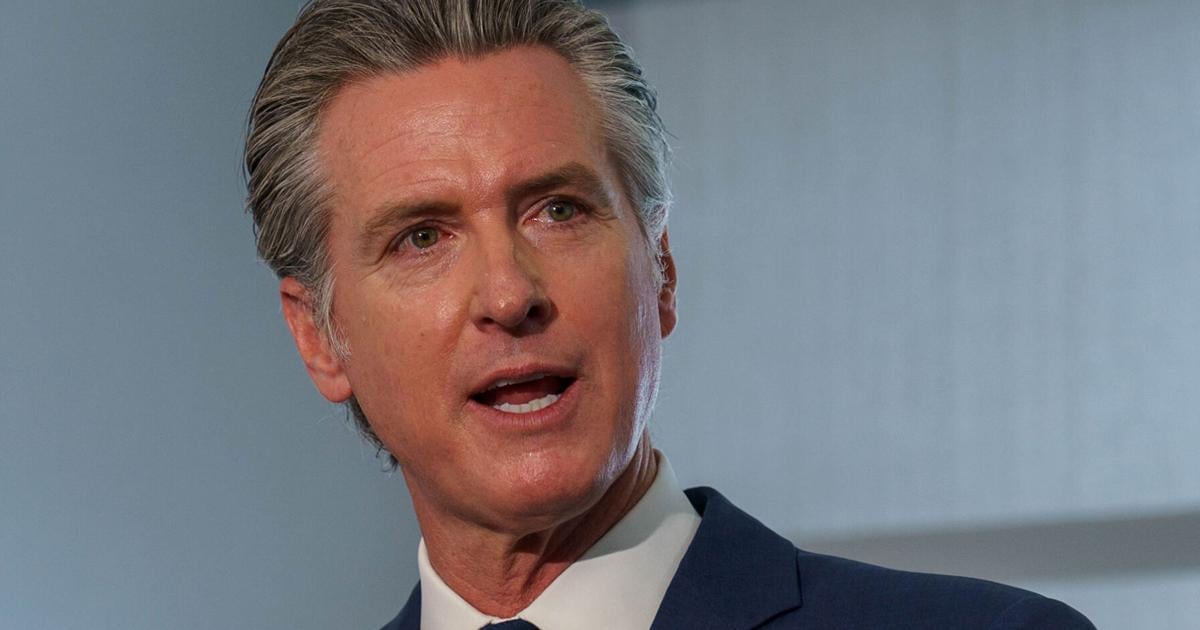
UC Berkeley professor Deirdre Mulligan of the School of Information has been invited to work on the California Innovation Council, an initiative that Gov. Gavin Newsom launched Tuesday to strengthen technology policies for the state, which include the use of AI
The council will include other notable figures in higher education, such as professor Daniel E. Ho of Stanford University and Katherine Newman, provost and executive vice president of academic affairs for the UC Office of the President.
Mulligan believes that universities are places of research and knowledge, which offer opportunities for faculty and students to both expand their academic careers and provide public service. She said she and others on campus can help the state understand the problems it is facing.
“(We) have lots of ideas about potential ways in which we can contribute to the state’s capacity to use technology to deliver first-in-class government services that align with our long-standing commitments to equity, civil rights et cetera here in California,” Mulligan said.
Krista Canellakis, the digital delivery program director for U.S. Digital Response, or USDR, is part of the Modernizing Government Service Delivery group of the innovation council, alongside Professor Mulligan. USDR is a nonprofit organization that partners with government organizations “to modernize how they serve their communities,” providing them with advice from technological experts, according to their website.
Canellakis said the benefit of including higher education institutions such as UC Berkeley in these conversations is that those who understand the research are able to engage with individuals who comprehend the outcomes of deploying this technology in government.
“That’s part of what makes this working group interesting,” Canellakis said in an email.“It brings together academics from Stanford and Berkeley with practitioners like me from USDR, plus folks from Mozilla, Tech Talent Project, Nava Labs, and New America. Different perspectives, all focused on the same goal.”
The same day the initiative launched, Newsom also announced the Emerging Technology Accelerator, a program that creates a formal partnership between the state and UC Berkeley.
According to Mulligan, UC Berkeley signed a Memorandum of Understanding with California, allowing herself and other UC Berkeley faculty to work with the state to continue to lead the expansion and use of responsible technology.
“We’re in a time when data and technology are being weaponized against the public,” Mulligan said. “Having California come out and show how technology can really do big things for the public, advance important public missions and do it in a way that meets the needs of all Californians is particularly important.”
These initiatives will allow the state to work with “the best and brightest tech policy experts across the country” to continue to bring AI advancements into state operations, according to Newsom’s announcement.