
SANTA ANA, Calif. — The Angels have settled the wrongful death lawsuit brought against them by the family of pitcher Tyler Skaggs, ending nearly five years of tense litigation between the team and the family of its former player.
The jury began deliberations on Monday, after more than two months of testimony, and on Friday, the two sides reached an agreement before the jury could reach a verdict. The terms of the settlement are not public.
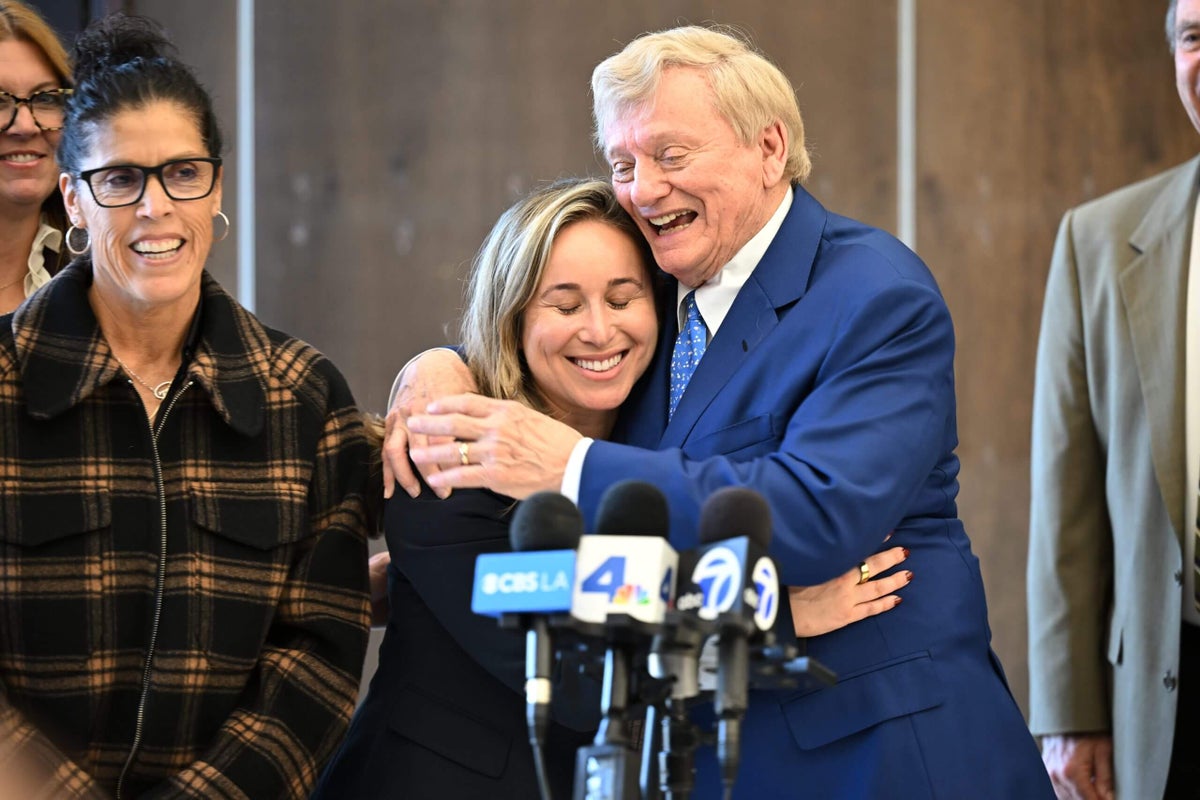
There were hugs and visible signs of emotion among the Skaggs family lawyers and their clients as the contract was brought into the courtroom to be signed, and the judge announced to those in attendance that a settlement had been reached.
Skaggs died on July 1, 2019, after ingesting a fentanyl-laced pill provided by Eric Kay, the team’s ex-communications director. Kay is serving 22 years in federal prison for providing the pill, after being convicted in a 2022 criminal trial that took place in Fort Worth, Texas.
“They’re delighted to have this behind them,” said Skaggs family attorney Rusty of his clients, Tyler’s mother Debbie Hetman and his widow Carli Skaggs. “This was a great day for them, because it’s finally over. Tomorrow is the first day of the rest of their lives, after six years of living through this.”
When asked whether the settlement allowed the Angels to avoid acknowledging responsibility, Hardin said, “I think any plaintiff that wanted their day in court has a bittersweet moment on that issue. The other side can still deny. But the other side would have still denied even if we had a verdict. They’re not going to walk in and say mea culpa.”
The Angels declined interviews through a team spokesperson, but issued a statement following the proceedings.
“The death of Tyler Skaggs remains a tragedy, and this trial sheds light on the dangers of opioid use and the devastating effects it can have,” the team said. “Throughout the course of court proceedings, both parties searched for a path to a mutually agreed upon resolution.”
MLB declined comment, referring to a November comment by commissioner Rob Manfred, who said the league plans to read the transcripts from the trial. A spokesperson for the MLB Players Association also declined to comment.
Speaking after court, jurors indicated that they had already determined the issue of liability before the case settled. Multiple jurors also said the group had decided to issue the Angels punitive damages.
Juror Tanya Josephs said the group was considering awarding a judgement in the range of $80 million, but that was before the group had fully determined apportionment of blame from among Skaggs, Kay and the Angels.
One juror, who spoke on condition of anonymity in order to freely discuss the deliberations, said that the jury would have awarded $62.5 million for lost earnings, which went down to $50 million when factoring in agents fees and consumption. Non-economic losses would have been $19.5 million total (split $10 million for Carli Skaggs, $7.5 million for Debbie Hetman, and $2 million for Darrell Skaggs). Punitive damages would have been $10 million. With the exception of the punitive damages, those numbers would have been reduced by some percentage, based on how at-fault the jury believed Tyler Skaggs to be.
Punitive damages would have required a separate hearing to determine, based on the value of the team, meaning the final number could have been different.
“You can tell they cared about each other — the Angels’ organization,” Josephs said. “But at some point, you have to know what right and wrong is, even if that’s your best friend — and he’s doing things that aren’t really scrupulous. At some point, you have to do something.”
On Wednesday afternoon, the jury had asked the court a question related to awarding punitive damages, after previously asking a question about future earnings. A day later, on Thursday, the Angels approached the Skaggs team about ramping up settlement negotiations, when the jury was off from deliberations.
The questions indicated that the jury had already determined liability against the Angels, and were at least considering punitive damages, which would not have been covered by insurance. Insurance companies covering the Angels began authorizing settlement payments on Thursday, said sources familiar, though it’s unclear how much of the deal is covered.
Settlement talks extended throughout the day Thursday, but weren’t finalized until after the jury began deliberating for about 15 minutes on Friday morning. Multiple jurors indicated they likely would have had a verdict within a few hours.
The foreperson — who asked to be identified only by his first name, Richard, in order to preserve his privacy — said that the jury’s views evolved over time. “I think as we started going more through the evidence of the case, and bouncing our thoughts and opinions of how people viewed it, we were able to get more of the 50-50 people over to the (Skaggs family) side,” Richard said.
The trial spanned nearly nine weeks. Court proceedings began on Sept. 22, with jury selection starting on Oct. 6. The trial officially began on Oct. 14, and the jury listened to testimony and arguments for 32 days.
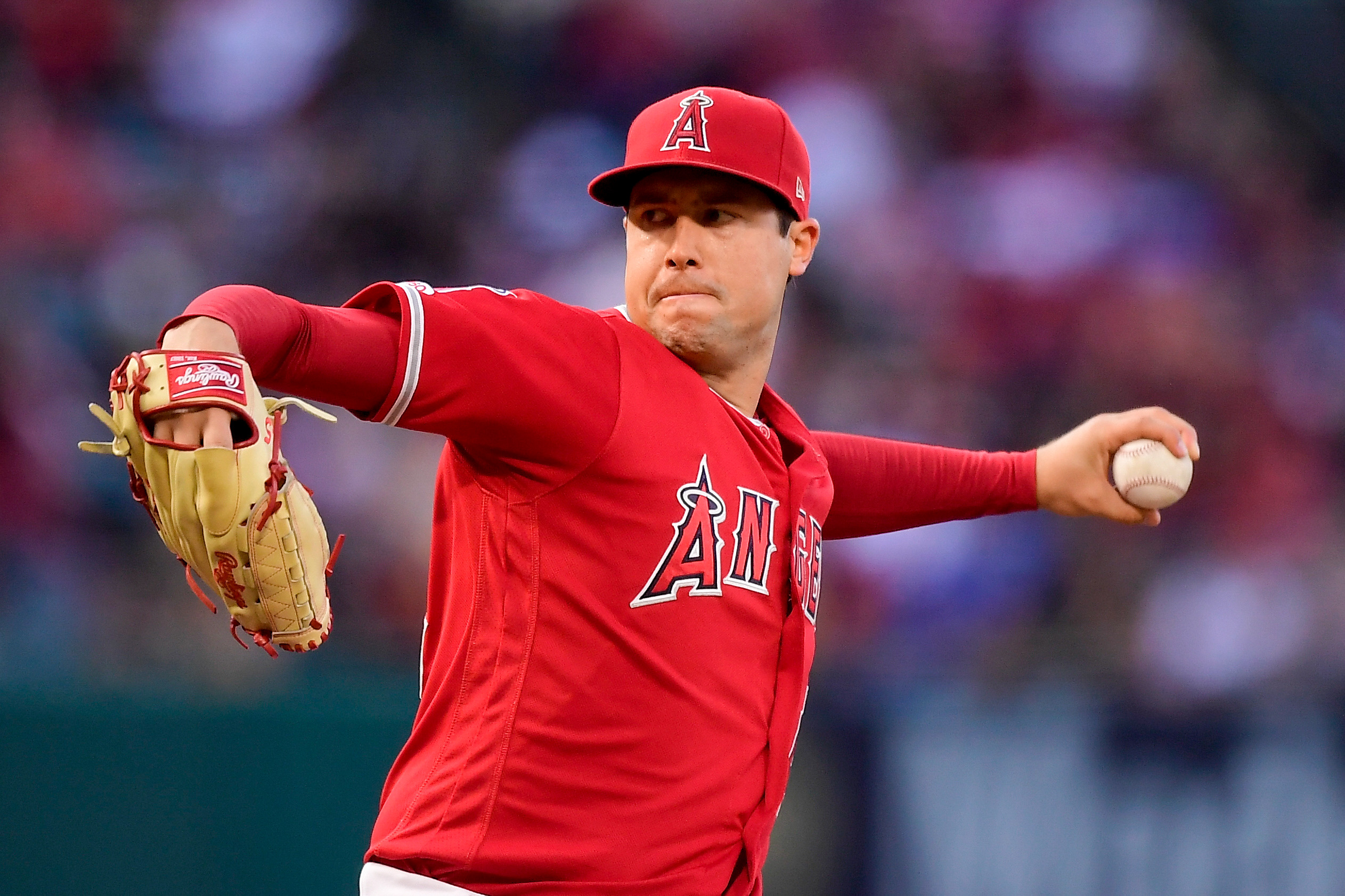
Tyler Skaggs died after ingesting a fentanyl-laced pill in 2019. (AP Photo / Mark J. Terrill)
Relations between the two sides were contentious throughout the proceedings. The Angels accused the Skaggs side of hiding multiple witnesses, while the Skaggs side accused the Angels of “gaslighting” throughout the trial, and accused one Angels executive witness of perjury.
Nearly every day of testimony included numerous sidebars, and during witness questioning, there were objections at almost every turn.
Skaggs family lawyer Daniel Dutko — who tried the vast majority of the case, alongside attorney Leah Graham — said in closing arguments that the Angels did not follow their own policies. He said the Angels’ characterization of Skaggs as a drug dealer and abuser “is not a picture that anybody knows.”
The Angels’ case was tried almost entirely by lead attorney Todd Theodora, who argued that Skaggs was “reckless” in his drug use, and that he was responsible for his own death. He said “the Angels know right from wrong” and acted reasonably in dealing with Kay’s drug addiction.
California requires that at least nine of the 12 jurors agree on the verdict form’s questions. And at least nine jurors ultimately agreed, according to multiple jurors, that the Angels were liable for Skaggs’ death — though the percentage of fault had a wide range. Richard, the foreperson, said he believed Skaggs had about 15 percent responsibility. Another juror, Darryl Kinson, said he believed it was 50 percent. One other juror said he believed the team bore only around 15 percent of the fault.
At one point in the trial, Angels VP for human resources Deborah Johnston testified that the team “worked with” MLB in addressing Kay’s addiction, and that the team was complying with MLB policy through its treatment. But some jurors didn’t find that credible.
“There were no documents, nothing,” said juror Jasson Thatch. “No evidence that showed MLB was involved.”
Still, at the start of deliberations, the jurors were largely split as to whether they would award any damages. A more thorough review of the evidence pushed undecided jurors in the direction of the plaintiffs, Richard said, largely due to the team not following their own policies.
The plaintiffs, Hetman and Carli Skaggs, stood quietly behind Hardin as he addressed the media in a press conference. They declined to be interviewed, but mingled with their lawyers after the press conference ended.
The settlement means there won’t be lengthy appeals. There won’t be a request for a mistrial, or long legal battles. But it also means the case, and potential ramifications, are over. While MLB said it will review the trial testimony, the Angels will not be required to admit fault or responsibility. Throughout the trial, the inner workings of the Angels organization were laid bare, often in ways that reflected poorly on the franchise. And it’s unclear what, if anything, the team will do to address those issues moving forward.
Hardin, the Skaggs attorney, said he hopes there’s still more to come.
“The focus should be on the Angels, and not Major League Baseball,” Hardin said. “But Major League Baseball should, and I expect will, send a message out. You guys cannot let this happen. They had the rules, and the Angels ignored it.”