
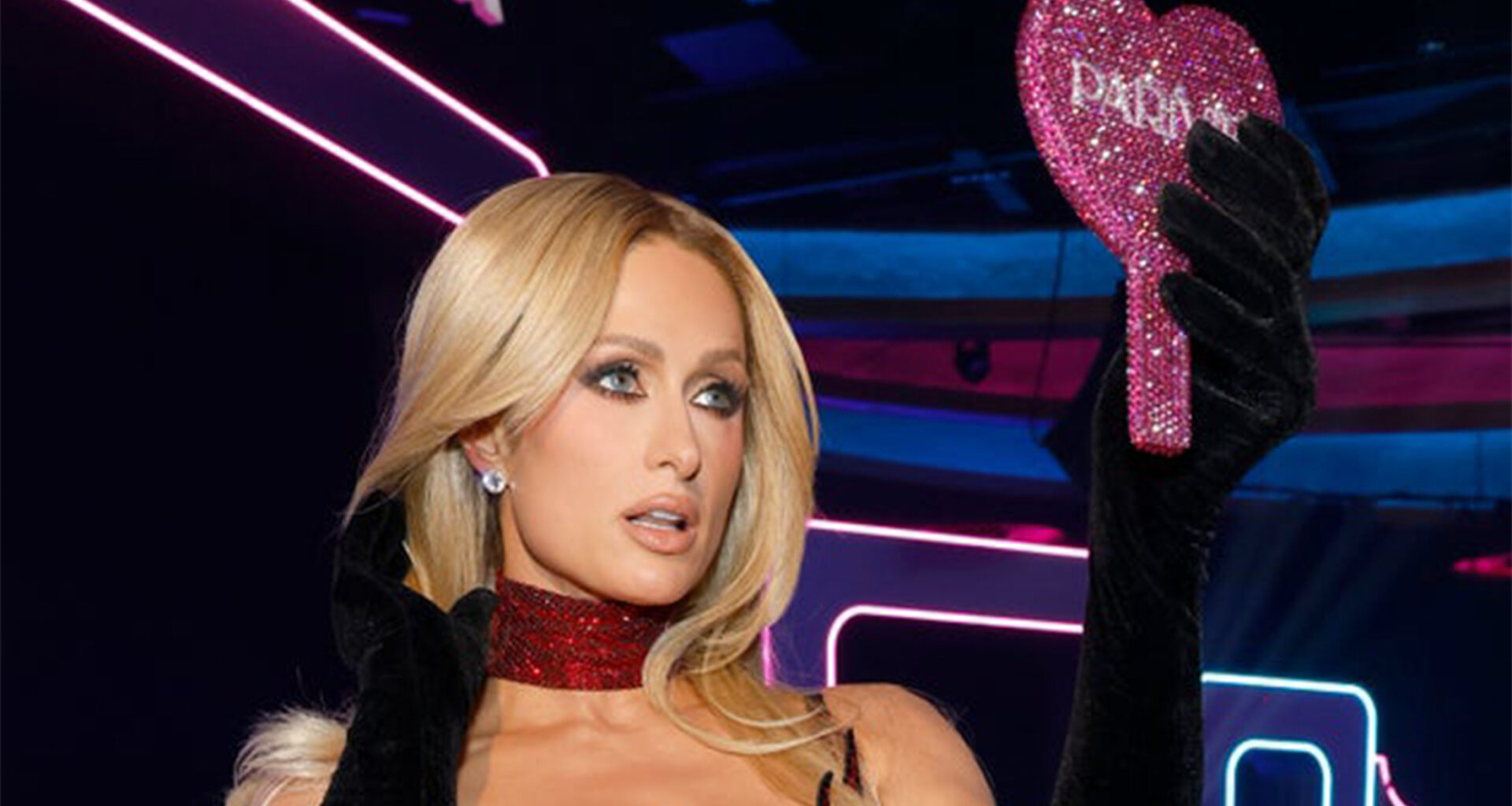
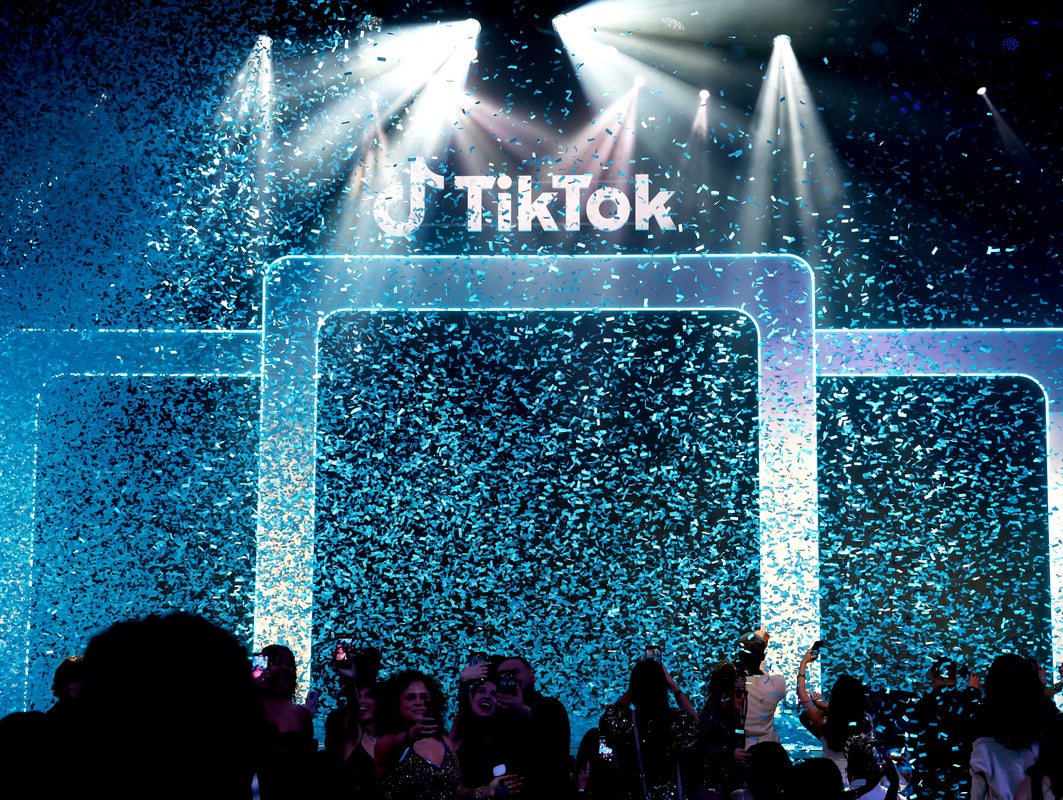
On a glittering December night at the historic Hollywood Palladium, Los Angeles officially welcomed the digital age to one of its most iconic stages. TikTok hosted its first-ever U.S. TikTok Awards on December 18, transforming the storied venue into a celebration of creators, culture, and a platform that has quietly, then loudly, reshaped how America watches, listens, shops, and connects.
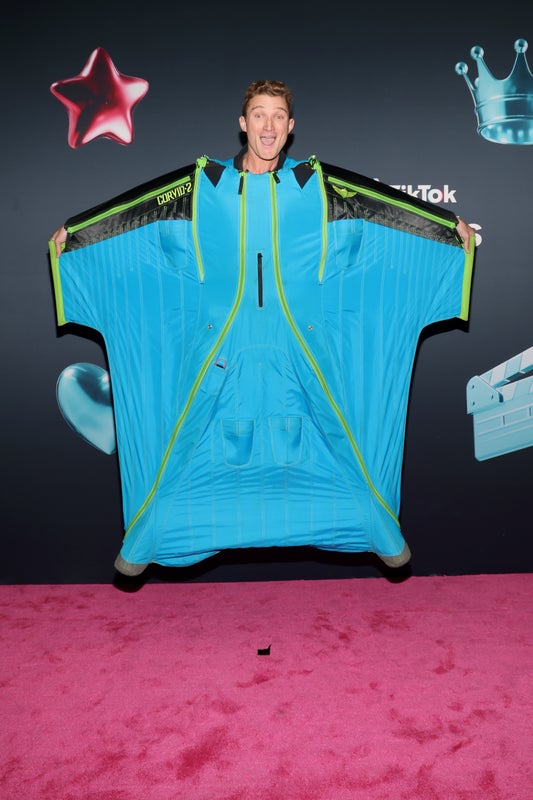
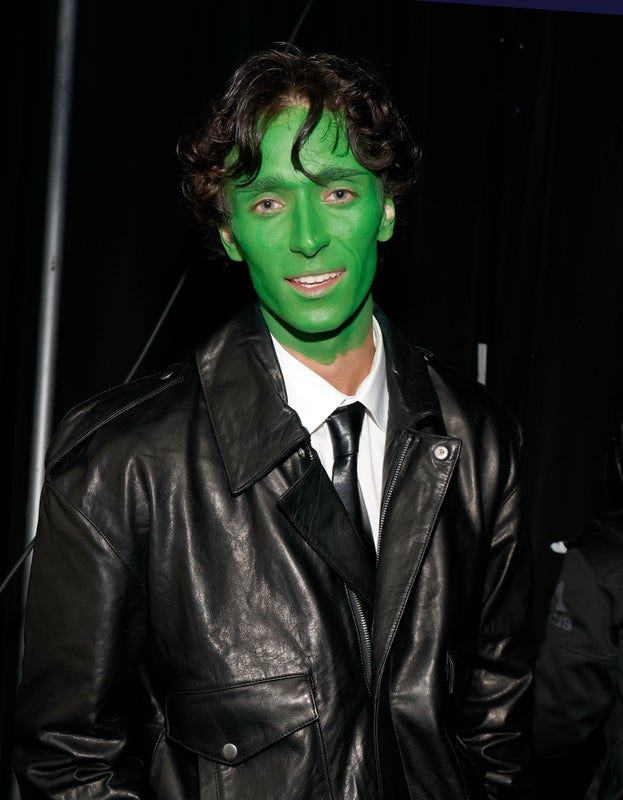
Hosted by La La Anthony, the ceremony felt less like a traditional awards show and more like the internet coming to life in real time. Creators, celebrities, and cultural tastemakers shared the red carpet, blurring the once-rigid lines between Hollywood fame and digital influence. The message was clear: TikTok is no longer adjacent to pop culture. it is pop culture.
 Credit: Phillip Faraone and Kevin Mazur / Getty Images for TikTok
A milestone moment for a platform that changed the game
This inaugural U.S. ceremony marked a defining moment for TikTok, a platform that now reaches well over 100 million Americans and, by some measures tied to U.S. usage, touches an even broader swath of the country. The numbers are big, but the deeper story is behavior: Americans don’t just scroll TikTok, they live inside it. Music breaks there. Trends ignite there. Food spots become lines around the block because of it. The “For You Page” has become a modern programming grid, only it’s personalized, nonstop and powered by culture moving at the speed of a swipe.
What made the night feel particularly significant was its timing. After years of political scrutiny and corporate chess around TikTok’s future in the United States, the platform staged an event that felt confident, celebratory, and distinctly Hollywood. Streaming live on TikTok (with Tubi as a viewing partner), the awards reflected exactly how entertainment is consumed now: instantly, socially, and everywhere at once.
 Credit: Phillip Faraone and Kevin Mazur / Getty Images for TikTok
Creators as the new cultural architects
At the heart of the evening was a celebration of creators who don’t just rack up views, they shape conversations. The night’s biggest honor, Creator of the Year, went to Keith Lee, a choice that captured TikTok’s unique power: making influence feel personal while still moving the real world. Lee’s food reviews have boosted small businesses, shifted local buzz, and reminded viewers that sincerity can still win online. When he accepted the award, the applause wasn’t polite; it was the sound of an industry recognizing a new kind of star.
This is what modern influence looks like: community-first, algorithm-amplified, and impact you can measure in foot traffic.
Scroll to continue reading
 Credit: Phillip Faraone and Kevin Mazur / Getty Images for TikTok
Paris Hilton and the art of reinvention
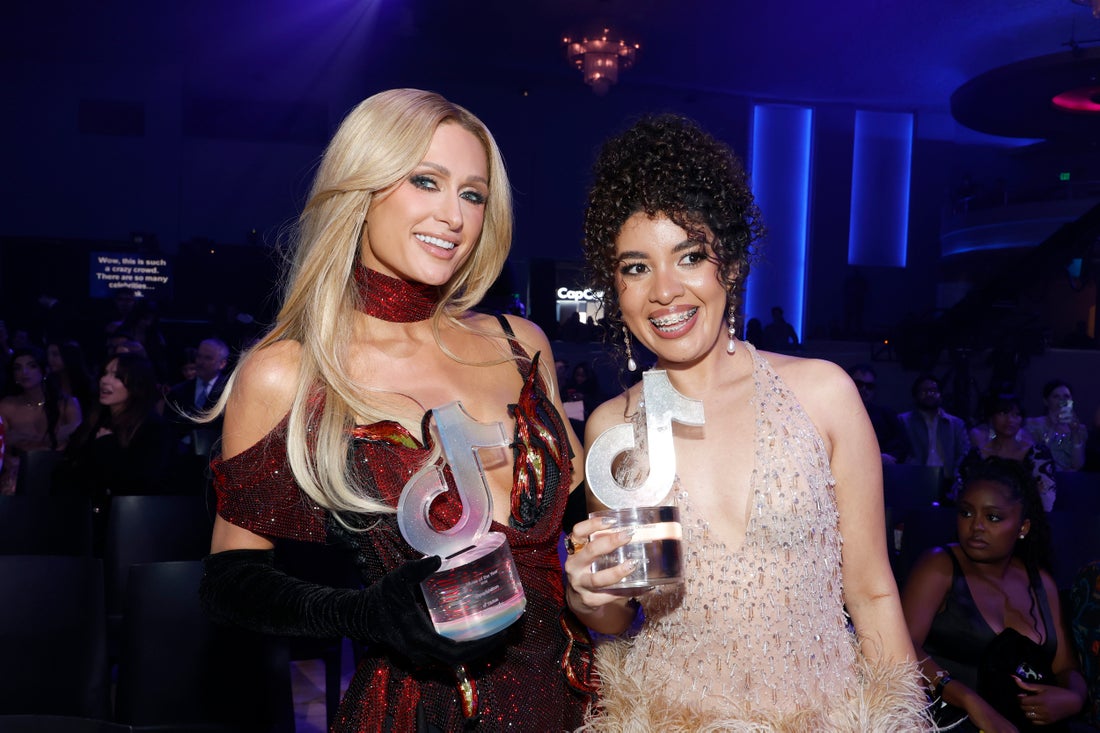
One of the night’s most buzzed-about honors went to Paris Hilton, awarded Muse of the Year, a title that felt not just fitting, but almost inevitable. Hilton didn’t “arrive” in the influencer era; she helped invent the blueprint for it. Long before the word “creator” became a job title, she understood branding, virality, and the fine art of being in on her own myth.
Her pop-culture origin story is pure early-2000s Hollywood canon: the paparazzi flashbulbs, the nightlife, and, most importantly, the reality-TV breakthrough. When The Simple Life launched with Nicole Richie, it wasn’t just a hit; it was a cultural reset, the kind that taught a generation how to watch personality as entertainment. Hilton turned a catchphrase (“That’s hot”) into a global business card, then kept evolving, DJ sets, beauty, fashion, licensing and entrepreneurship, staying visible without staying stuck.
What makes her TikTok moment remarkable isn’t simply that she’s thriving on a platform driven by Gen Z. It’s that she’s doing it with a kind of playful fluency: nostalgia without stiffness, glamour without distance, self-awareness without trying too hard. At 44 (and approaching 45), she remains a living example of pop culture’s rarest skill, endurance. Hilton’s relevance isn’t an accident; it’s a strategy perfected over decades, now translated into short-form video with a wink.
And there’s something quietly satisfying about the symmetry of it all: a woman who once defined tabloid-era fame now being honored at the awards show for the platform that defines fame today.
 Credit: Phillip Faraone and Kevin Mazur / Getty Images for TikTok
An awards show that felt like a For You Page
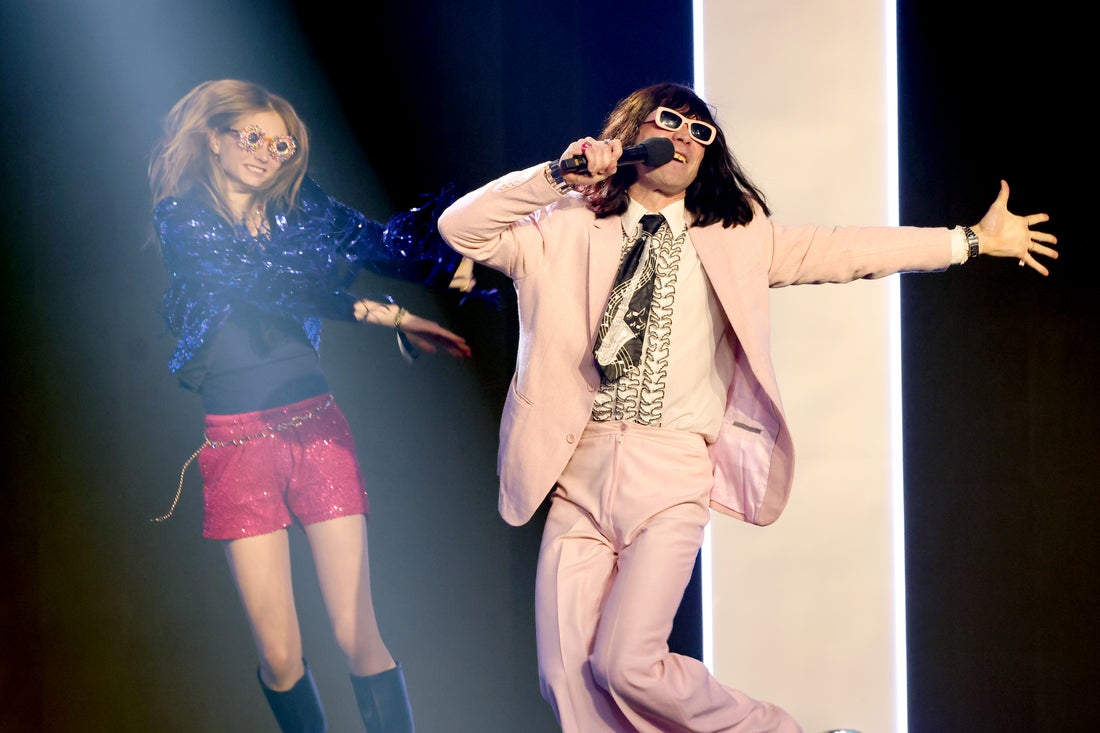
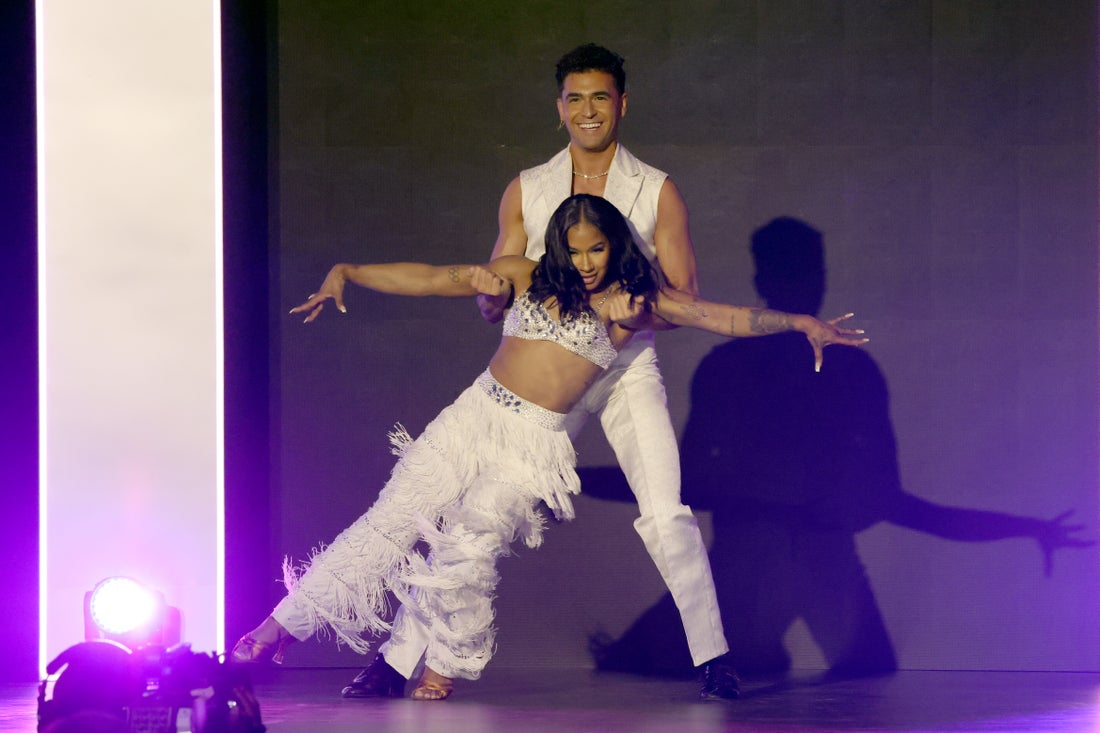
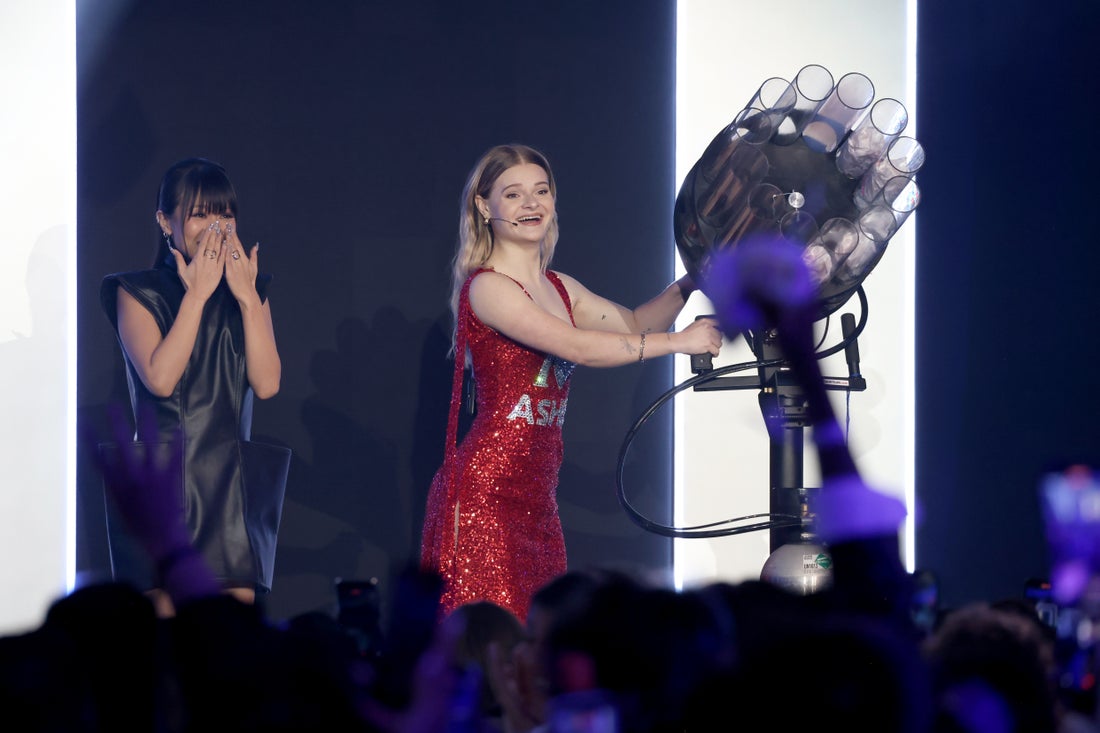
From high-energy performances to immersive brand activations, the TikTok Awards leaned into what the platform does best: variety, spontaneity, and spectacle. Ciara delivered a show-stopping performance, while the show itself played like a live remix of the app: quick pivots, visual punchlines, big reactions, and moments engineered to be clipped, posted, and rewatched before the night even ended.
Sponsors didn’t just “support” the event; they functioned like native TikTok characters. Beauty, commerce, and editing culture were all present in the room, mirroring the platform’s signature blend of content and consumer behavior. Legacy award shows can feel like museums. This felt like a feed: alive, reactive, communal.
 Credit: Phillip Faraone and Kevin Mazur / Getty Images for TikTok
A new chapter for TikTok in America—and why Larry Ellison isn’t “taking over”
The ceremony also arrived as TikTok enters a pivotal corporate chapter in the U.S. TikTok and ByteDance have signed binding agreements to form a new U.S.-based joint venture, one designed to keep the app operating stateside while addressing long-running national security concerns. Under the announced structure, Oracle, Silver Lake, and Abu Dhabi-based MGX are each slated to take significant stakes, while ByteDance retains a minority position under the legal threshold. A majority-American board and U.S.-focused oversight of data and platform security are central to the plan, with Oracle positioned as the “trusted security partner” for U.S. user data and related safeguards.
So where does Larry Ellison come in? He’s foundational to the story because Oracle is foundational to the structure, but that’s different from a personal takeover. Ellison isn’t “buying TikTok” outright; Oracle is part of the investor-and-operations framework designed to satisfy U.S. requirements, with multiple parties involved and specific limits on ByteDance’s ownership.
 Credit: Phillip Faraone and Kevin Mazur / Getty Images for TikTok
It’s also worth noting what isn’t confirmed: while political names and power-adjacent financiers always swirl around deals of this scale, the publicly detailed investor group centers on Oracle, Silver Lake, and MGX, plus affiliates of existing ByteDance investors and a smaller slice for other new investors that haven’t been publicly itemized in detail. Jared Kushner’s investment firm is called Affinity Partners, but as of now, it has been in the headlines for other high-profile dealmaking, not as a named, confirmed participant in TikTok’s newly announced U.S. joint venture.
As for Washington’s role: the scrutiny didn’t start this year. The push for tighter oversight accelerated under President Joe Biden’s administration with legislation and regulatory pressure, and the current resolution effort is unfolding under President Donald Trump’s administration, which has issued executive actions extending deadlines and enabling negotiations toward a U.S.-compliant structure.
And on the question everyone asks at parties: has TikTok “passed” Instagram? In raw user totals, Instagram remains a heavyweight with massive scale. But culturally, and increasingly commercially, TikTok often feels like it’s setting the agenda first. Instagram can be where trends get polished. TikTok is where they’re born.
 Credit: Phillip Faraone and Kevin Mazur / Getty Images for TikTok
And the standout winners were…
Creator of the Year — Keith Lee
Video of the Year — Bretman Rock
Breakthrough Artist of the Year — Alex Warren
Rising Star of the Year — Jeremiah Brown
Storyteller of the Year — Tineke Younger
TikTok for Good Award — Zach & Pat Valentine
Sports MVP of the Year — Mariah Rose
CapCut Creator of the Year — Recider
TikTok LIVE Creator of the Year — Elizabeth Esparza
Muse of the Year — Paris Hilton
The first U.S. TikTok Awards didn’t just celebrate a year of viral moments; it marked a shift in who gets to define culture. And if this night at the Hollywood Palladium was any indication, the creators of today are already shaping the entertainment industry of tomorrow.