

BAKERSFIELD, Calif.(KBAK/KBFX) — Kern County, a leading area for valley fever cases in California, is facing heightened health concerns as strong winds stir up dust across the region.
The California Department of Public Health warns that spores of a fungus living in the soil can become airborne during windy conditions, potentially causing valley fever when inhaled.
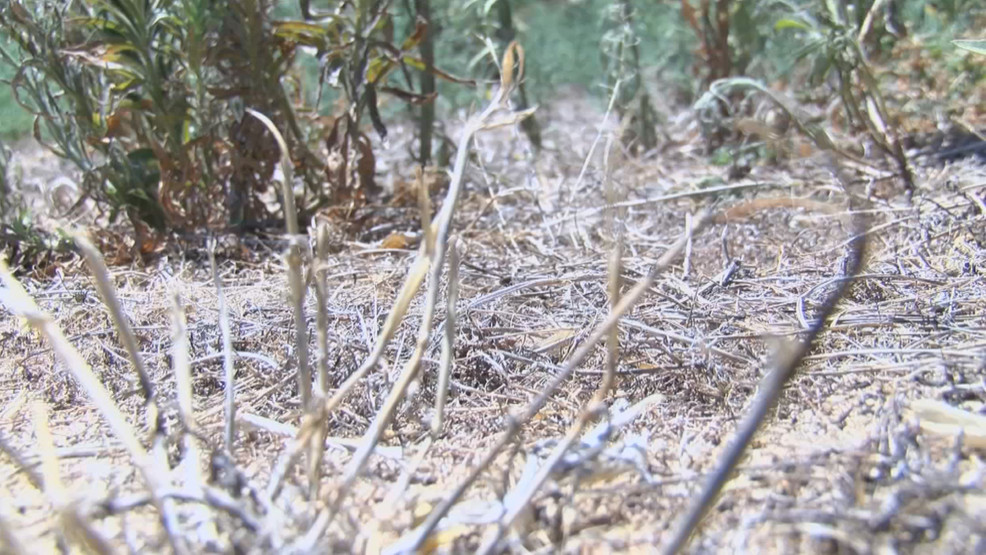
Soil at a Delano almond orchard. (KBAK/KBFX)
Residents, particularly those with pre-existing conditions, are advised to limit outdoor activities, wear N95 masks if necessary, keep windows and doors closed, and set car air conditioning to recirculate air.
Jaime Holt, chief communications officer for the San Joaquin Valley Air District, expressed hope that upcoming rain might reduce dust levels.
“Hopefully, it will bring with it enough power and enough force that it will tap down some of this dust, going into the next few days,” Holt said.
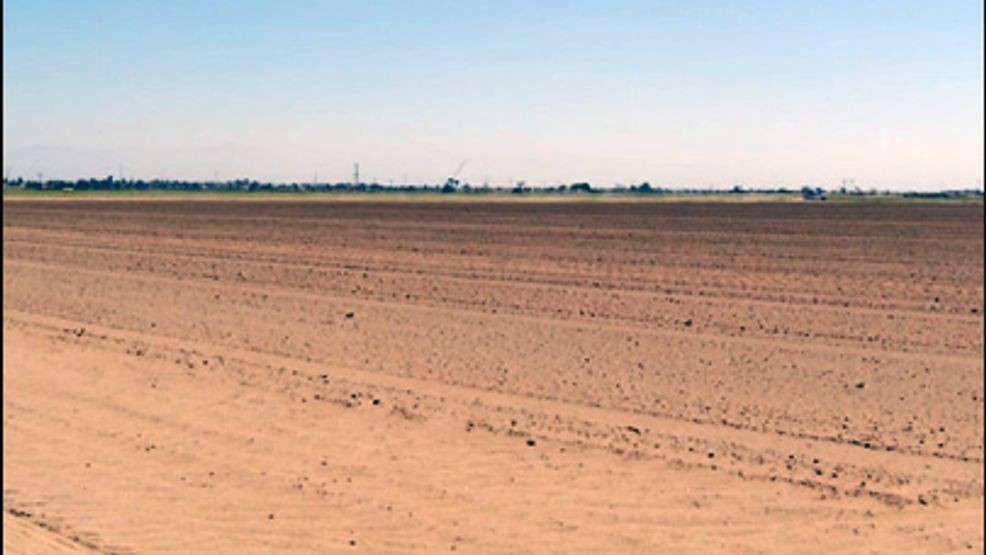 FILE – Valley fever cases rising throughout the California.{ }
However, the California Department of Public Health notes that while rain may initially suppress dust, it can also promote the growth of the valley fever fungus.
As the ground dries, spores may continue to spread through the air.
Symptoms of valley fever, which can appear one to three weeks after exposure, include fatigue, cough, trouble breathing, fever, night sweats, muscle or joint pain, chest pain, weight loss, and skin rashes.
Some individuals may experience symptoms for weeks or months, while others may remain asymptomatic.

For more information and resources on valley fever, residents can visit the Kern County Public Health website.