
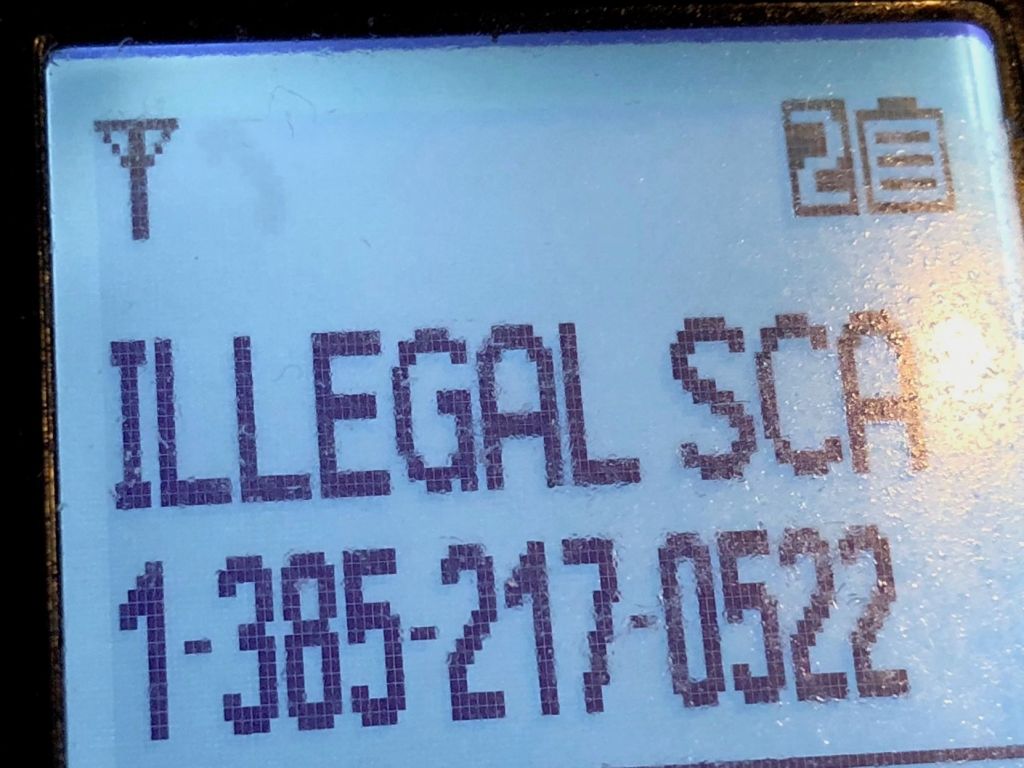
Scammers are getting better at using texts, calls, and emails to steal money from their unsuspecting victims.
Oakland County Prosecutor Karen McDonald said the simplest thing to do is ignore unknown callers or hang up. While that advice may seem obvious, she said, tenacious scammers continue to catch people off guard.
Scammers succeed by impersonating businesses, government agencies, and even family members. Artificial intelligence and other technology makes imitating trusted voices or using recognized numbers or email addresses much easier.
In February, some Bloomfield Township residents fell prey to criminals who claimed they owed money for trash pick-up. In July, a 78-year-old Troy man lost nearly $50,000 to a fraudster and nearly lost $42,000 more to a scammer who claimed the victim needed to pay for a computer anti-virus program. But the victim became suspicious and called police.
In March, Oxford Township resident Sandy Selvan, 68, lost her life savings – nearly $500,000 – to a scammer posing as actor Mark Harmon.
Officials: Scammers hitting Bloomfield Township with bogus billing scheme tied to trash pickup
“Obviously we continue dealing with jury-duty scammers and people impersonating deputies demanding Venmo transfers and bitcoin,” said Deputy Tyler Sweers, an Oakland County Sheriff’s spokesman. “These people are always trying things. A lot of times they prey on love or panic or other emotions.”
McDonald said scammers have a lot of tricks.
“We always want to think the best of people, especially this time of year,” she said. “Scammers will use your good will this season to separate you from your money.
McDonald said people should be wary of:
• Calls about money, prizes, debts, or problems with your account and an urgent need for payment;
• Caller’s threats of arrest, lawsuits, immigration action or cutting off utilities or benefits if you don’t quickly pay or provide information;
• Any requests for sensitive information: Social Security number, date of birth, bank or card numbers, passwords, one‑time codes, or PINs;
• Any demand for payment using gift cards, wire transfers, cryptocurrency or apps like Venmo, Zelle, Paypal, or CashApp, or offers to send a courier to get cash;
• Any offer that seems “too good to be true,” such as prizes, refunds, or low‑interest loans.
• Callers who are strangers to you but seem to know family members’ names or where you work or who use a friendly tone but get aggressive if you hesitate;
• Offbeat pauses or background noise
McDonald said if you happen to pick up such calls, hang up quickly, even if you think you recognize the number or the voice on the other end, especially if the caller says they’re in jail or in trouble and need money urgently. Call another family member to confirm the first caller’s claim.
“You don’t have to be polite to a scammer,” McDonald said, adding that no one should share personal or financial information to a caller, ever.
If the caller claims to be from your bank, a company or government agency, hang up and call back using a number from your statement, card, or the organization’s website—not a number provided during the call.
If you realize you’ve fallen for a scam, contact your bank or credit card company quickly, she said, and file a police report.
Smart people still get scammed, McDonald said, but shame or embarrassment shouldn’t keep you from taking action to protect yourself.
In addition to changing account passwords, she advises people to document what happened by using screenshots if possible and jotting down a timeline and what information was shared.
People can check their credit reports at AnnualCreditReport.com and set up a fraud alert or credit freeze with the major credit bureaus:
• Equifax – www.equifax.com
• Experian – www.experian.com
• TransUnion – www.transunion.com
McDonald encouraged people to share safety tips with vulnerable family members and help them protect their accounts.