
By Edward Henderson, California Black Media
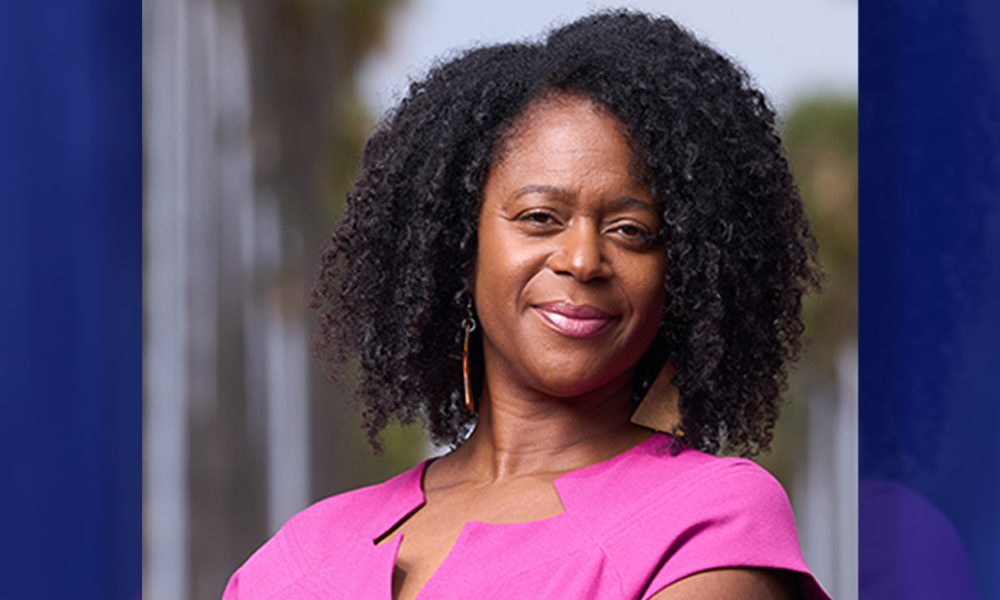
Representing the 28th Senate District, Sen. Lola Smallwood-Cuevas (D-Los Angeles) brings a lifelong commitment to working families.
After earning her communications degree from California State University Hayward (now known as CSU, East Bay), Smallwood-Cuevas began her career as a journalist telling the stories of working people—an experience that drew her into the labor movement.
Since being elected to the California State Senate, Smallwood-Cuevas has championed legislation that strengthens worker protections, expands access to justice, and uplifts historically marginalized communities.
California Black Media (CBM) spoke with Smallwood-Cuevas about her successes and disappointments this year, as well as her goals for 2026.
What stands out as your most important accomplishment this year?
I’m proud of how we fought back against the Trump Administration’s attacks, especially on the budget, and strengthened protections for workers while fortifying the cultural power of Black Los Angeles. Workers’ rights remained central in my bill package because my background in organizing taught me a simple truth: when workers do well, communities do well.
I also moved forward with the creation of California’s first Black cultural district in South LA. Amid gentrification, this district will protect cultural assets and bring resources as Los Angeles prepares for the FIFA World Cup and Olympic Games.
 TrendingPower of the Genesis G70 Sport Prestige Model
How did your leadership contribute to improving the lives of Black Californians this year?
We must name the disparities Black communities face—higher homelessness, incarceration, and health incidents. During the budget fight, when the governor proposed zero dollars for homelessness, I pushed hard. We secured $500 million for homelessness response, reinstated $1 billion for supportive programs, and added another $500 million for affordable housing.
What frustrated you most this year?
Our people are under attack. Racial profiling is creeping back into federal policy. Crime is being weaponized to justify disproportionate incarceration—even though crime rates are at historic lows.
But what frustrated me most was how quickly diversity, equity, and inclusion were rolled back through federal orders and preemptive action by corporations and foundations.
What has been your greatest inspiration this year?
Our resilience. California does not stay down. The movement around Proposition 50 was incredibly inspiring. I saw unity across Black California.
What is one lesson you’ve learned this year that will guide your decision-making next year?
Black California is resilient and brilliant. We are stronger than our opposition. And the lesson echoes Dr. King: “Organize, baby, organize.” We must build coalitions across local, county, and state levels.
In one word, what is the biggest challenge facing Black Californians?
Visibility. Visibility is power. We must be present—in rooms, on boards, in media, in headlines. We cannot retreat from Black identity.
What is the goal you most hope to achieve in 2026?
Economic stability. When California enters a recession, Black communities enter a depression. My goal is to advance policies that create real economic opportunity through safety-net protections, contract access, and targeted local hiring for quality jobs. crisis.
