
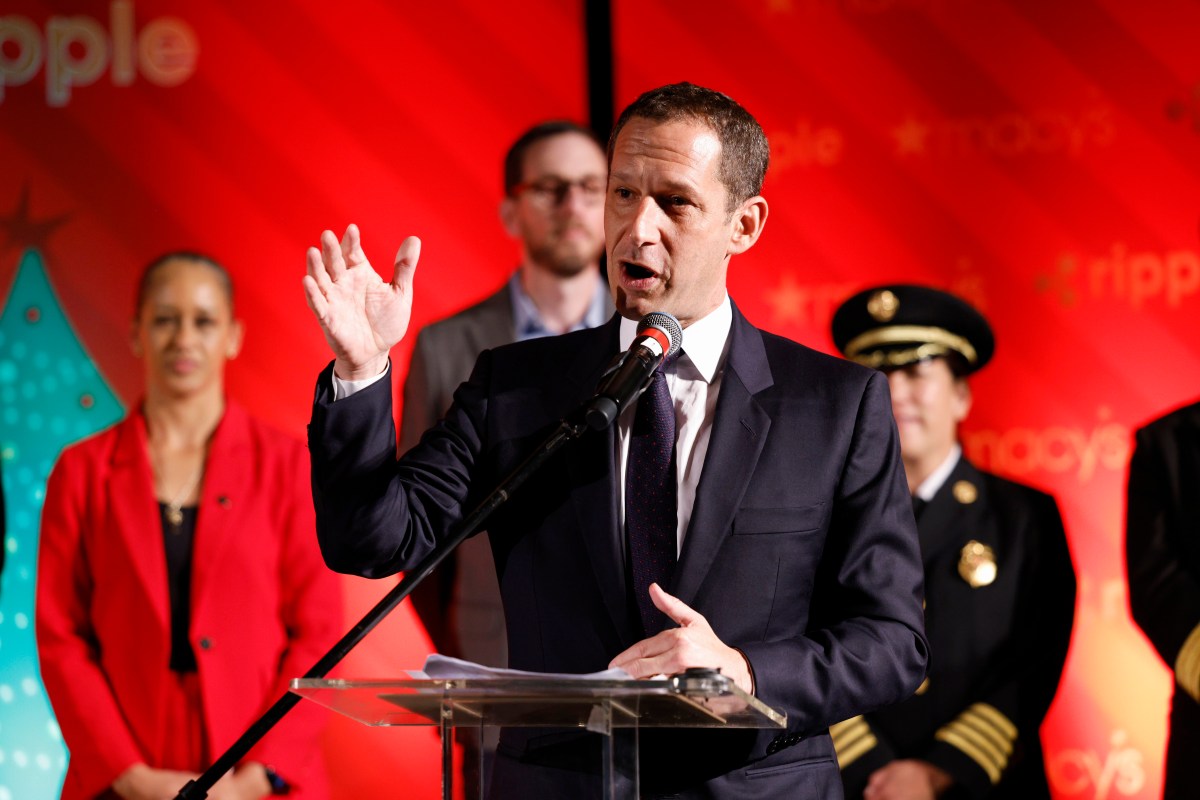
San Francisco Mayor Daniel Lurie approved a new law setting up a reparations fund to compensate for slavery and racial discrimination that passed the city’s Board of Supervisors earlier in December.
In a statement to Newsweek, Lurie emphasized that while the new law sets up a reparations fund, the city is not allocating money to it.
“I was elected to drive San Francisco’s recovery, and that’s what I’m focused on every day. We are not allocating money to this fund—with a historic $1 billion budget deficit, we are going to spend our money on making the city safer and cleaner,” he said.
The fund was set up in response to recommendations for single payments of as much as $5 million to any Black San Franciscans who might be eligible.
Why It Matters
Advocates have called for the government to consider reparations, efforts to address the country’s legacy of slavery and racial discrimination. Evanston, Illinois, was the first city to offer reparations to some Black residents in 2021. Other cities have also established task forces to consider how reparations may be paid to Black Americans.
What to Know
San Francisco supervisors have passed a new ordinance that sets up a reparations fund. The fund is intended to implement recommendations from the San Francisco Reparations Plan 2023, which recommended a “one-time, lump sum payment of $5 million to each eligible person.”
“A lump-sum payment would compensate the affected population for the decades of harms that they have experienced, and will redress the economic and opportunity losses that Black San Franciscans have endured, collectively, as the result of both intentional decisions and unintended harms perpetuated by City policy,” the report reads.
However, the new law only sets up the fund; it does not actually include any money for it. Money could be allocated or donated to the fund at a later date.
The $5 million payments would only be paid if funding allows, and it’s unclear how much funding San Francisco lawmakers are willing to put into the fund. More details about who exactly may qualify remained unclear.
The fund shall be administered by the city’s Human Rights Commission and “shall be expended solely for the purposes of supporting and implementing the recommendations described in the Reparations Plan,” according to the text of the ordinance.
It passed the Board of Supervisors on December 9 and was approved by Lurie on December 23.
The African American Reparations Advisory Committee produced a report in 2023 outlining many types of reparations. In addition to the lump sum payment, it pointed to financial reparations such as supplementing the income of lower income African American households, providing access to financial education and the financing of a debt forgiveness program. It pointed to myriad examples of racial discrimination throughout the report.
What People Are Saying
Supervisor Shamann Walton told local news station KGO earlier in December: “This most certainly is different than asking the city to pony up dollars to support reparations recommendations. It’s gonna take some time. We’ve got to build a pot and then, of course, come up with the right criteria in terms of how we’re going to prioritize what recommendations we address first. But this is a major first step.”
Journalist Gerald Posner wrote to X: “Every time I think my native San Francisco might be pulling out of its long ultra-progressive fog, something like this happens. A billion-dollar deficit—and city leaders quietly set up a $5M-per-person reparations fund framework. It’s not governance. It’s a farce.”
Journalist Corey Walker wrote to X: “This will immediately be sued and struck down by the 14th amendment. And no, ‘descendants of slaves’ will not pass SCOTUS muster. It will be considered a race proxy.”
Reverend Amos C. Brown wrote in a San Francisco Chronicle opinion article: “On Tuesday, the Board of Supervisors approved the establishment of a public-private fund to pay for some of those recommended actions—and allocated not a penny. An apology without action and a fund without an allocation are not reparations. The time for waiting is over. The time for action has arrived.”
What Happens Next
The fund has not received financial allocations. The ordinance becomes effective 30 days after enactment.