
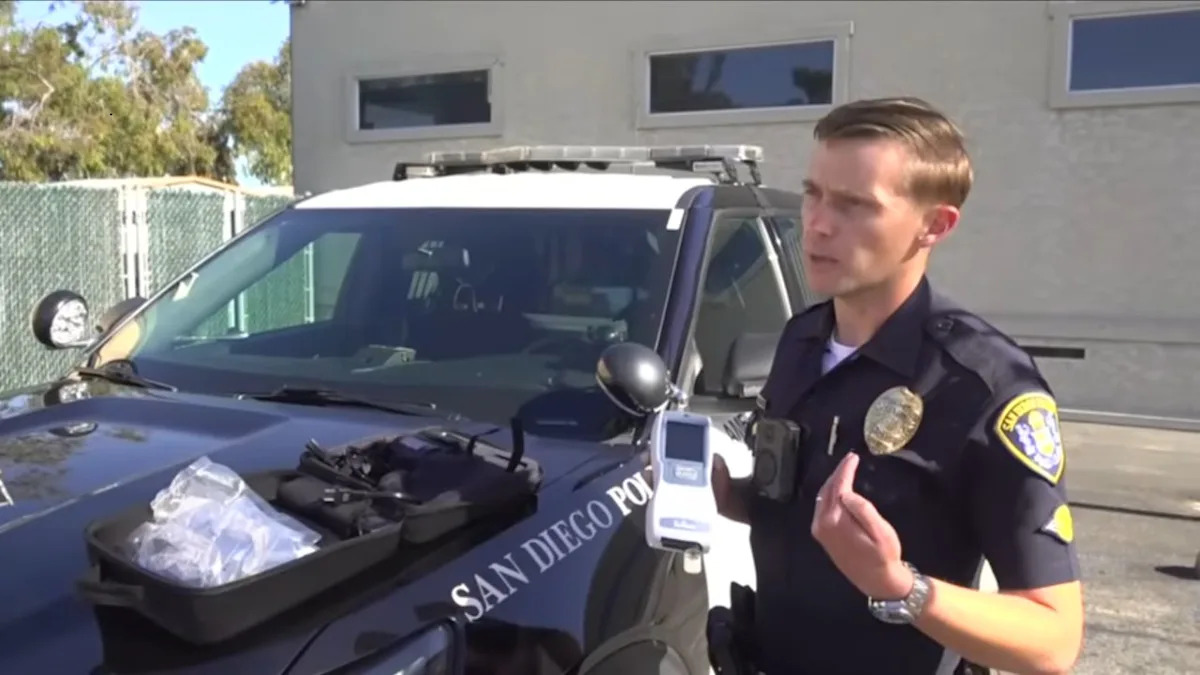
San Diego drivers may soon hear something new from police at traffic stops that could feel a bit like stepping into a sci‑fi movie. Instead of just checking your license and registration, officers now have a pocket‑sized gadget that can screen for drug use right there on the curb. It is a development that has piqued curiosity and sparked conversation across this coastal city.
According to multiple media outlets including CBS 8, the San Diego Police Department has started using a new handheld drug testing unit called the SoToxa Oral Fluid Mobile Test System. The tool detects active ingredients from substances like cannabis, methamphetamine, cocaine, opioids, amphetamines and benzodiazepines from a simple saliva swab. Within minutes the device can tell an officer whether any of these substances are present.
The Voluntary Swab
Imagine being pulled over on a clear California night and instead of the traditional walk‑a‑straight‑line or stand‑on‑one‑foot field sobriety test, you are handed a swab to swipe inside your mouth. That is now part of the experience in San Diego, but there is a twist that keeps things grounded in legal reality. The test is entirely voluntary. Drivers are free to decline it and there are no immediate penalties for refusing.
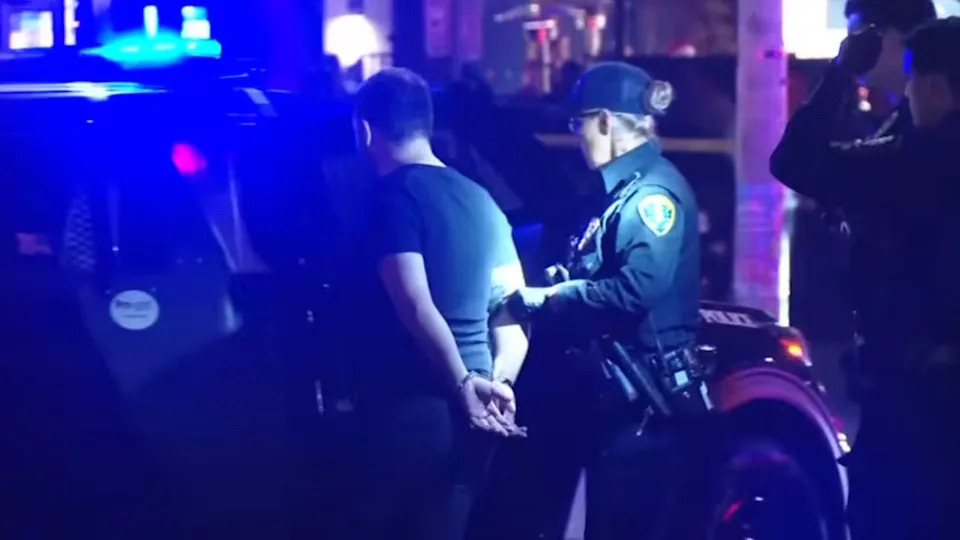
Image Credit: CBS 8 San Diego/YouTube.
Police say the tool is not meant to be a punitive stick but rather a way to help keep impaired drivers off the roads and prevent devastating crashes. Officers trained as Drug Recognition Experts (also known as DREs) are being assigned these devices after completing specialized training to spot signs of impairment. These experts combine what they see on the roadside with the device’s rapid screening results to form a solid picture of a driver’s condition.
The SoToxa system rollout comes with some strategic backing. The department acquired five of these units with the help of a state grant that was funded in part by taxes on legal cannabis sales. That connection neatly highlights how changes in cannabis laws across states have forced police and lawmakers to rethink how drug‑impaired driving is spotted and handled.
A Positive Test is Just the Start
It was only a few years ago that law enforcement across the country struggled with spotting stoned drivers at all. Alcohol had breathalyzers that could give precise blood alcohol content numbers in seconds. Drugs, by contrast, lacked such a simple metric. In one well documented case, a San Diego driver openly admitted to recently consuming marijuana but aced all sobriety tests and walked free because there was no reliable roadside technology to detect impairment.
While the new saliva test gives a quick “positive” or “negative” on drug presence, it is not the final word. If a driver tests positive, that result becomes probable cause for police to request a blood sample. Blood testing remains the gold standard for court evidence and contains much more reliable data for determining exactly what substance is in a driver’s system and at what level.
The approach here is very much layered. Officers still rely on traditional methods like field sobriety exercises and careful observation before even offering the saliva test. The device’s result is an early snapshot that helps guide next steps rather than a standalone arrest tool.
Public reaction on social platforms, particularly Reddit, has been lively. Many drivers welcome the idea of tools that can more accurately detect dangerous drivers. Others caution that the tests are imperfect and could flag prescription drugs or other innocuous substances, emphasizing that the accuracy of roadside drug tests is a complex scientific and legal question. These discussions show that even within the community of locals there are mixed feelings as people try to balance safety and rights.
The San Diego Police Department says it wants drivers to be informed and responsible. As with any new technology there is a period of adjustment where police, courts and the public learn together how it works and what it does best. For now, drink or use drugs and drive a car at your own risk, because San Diego now has a tool in its belt to help spot trouble before it becomes tragedy.